

Why Front Yard Landscape Ideas AI Is the Smartest Starting Point in 2026
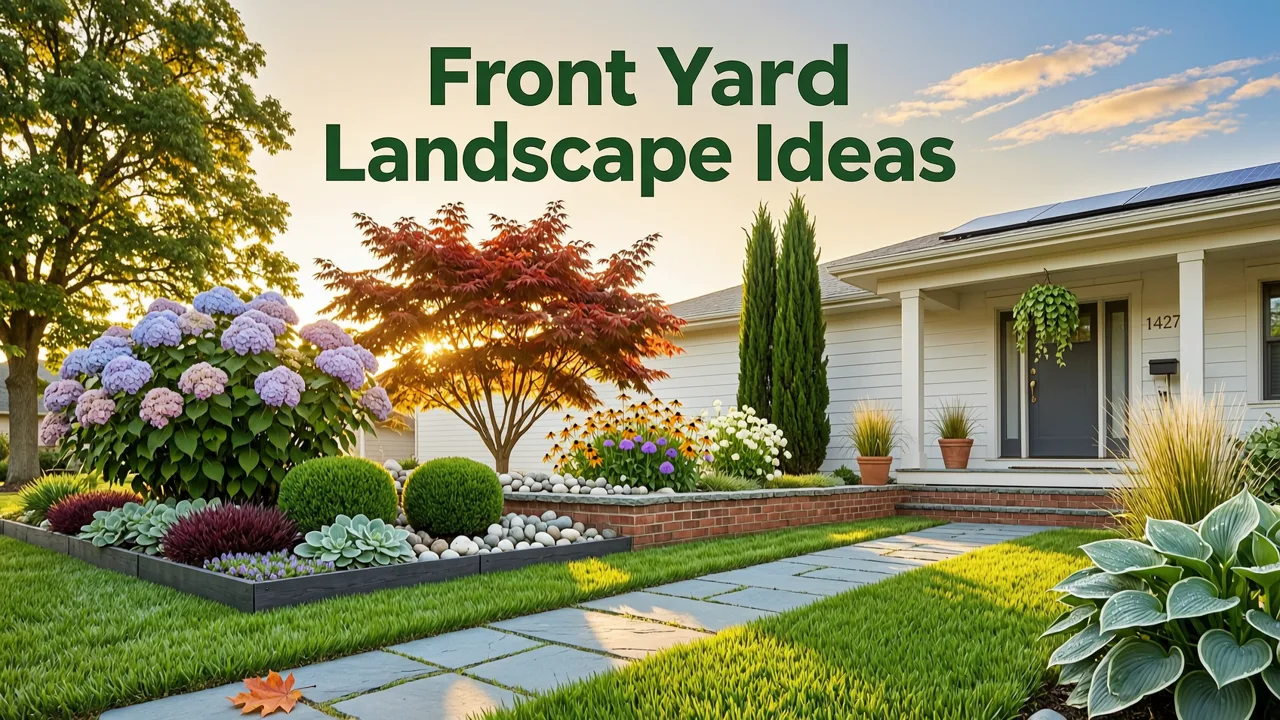
If you've ever pulled into your driveway and felt a pang of disappointment at your front yard, you're not alone. Most homeowners stare at the same tired lawn, overgrown hedges, or patchy flowerbeds for months before doing anything about it. The problem isn't motivation—it's uncertainty. You don't know which plants will thrive in your light conditions, which style will complement your home's architecture, or whether that expensive shrub will look ridiculous next to your mailbox.
Front yard landscape ideas AI tools solve that paralysis in minutes. Upload a photo of your actual front yard, choose a design style, and watch realistic renderings appear that show exactly how new plantings, pathways, and features would look in your specific space. No guesswork. No costly replanting. No hiring a designer just to see options.
In 2026, AI-powered landscape visualization has matured far beyond the crude overlays of a few years ago. Modern models understand depth, seasonal plant behavior, regional growing conditions, and architectural harmony. This guide walks you through how to use these tools effectively, which front yard styles are trending this year, and how to translate AI-generated concepts into a real planting plan you can execute—or hand to a landscaper with confidence.
Watch AI Design Your Dream Backyard in Seconds
by Pick5 Pro
How AI Transforms Your Front Yard Photo into Realistic Design Concepts
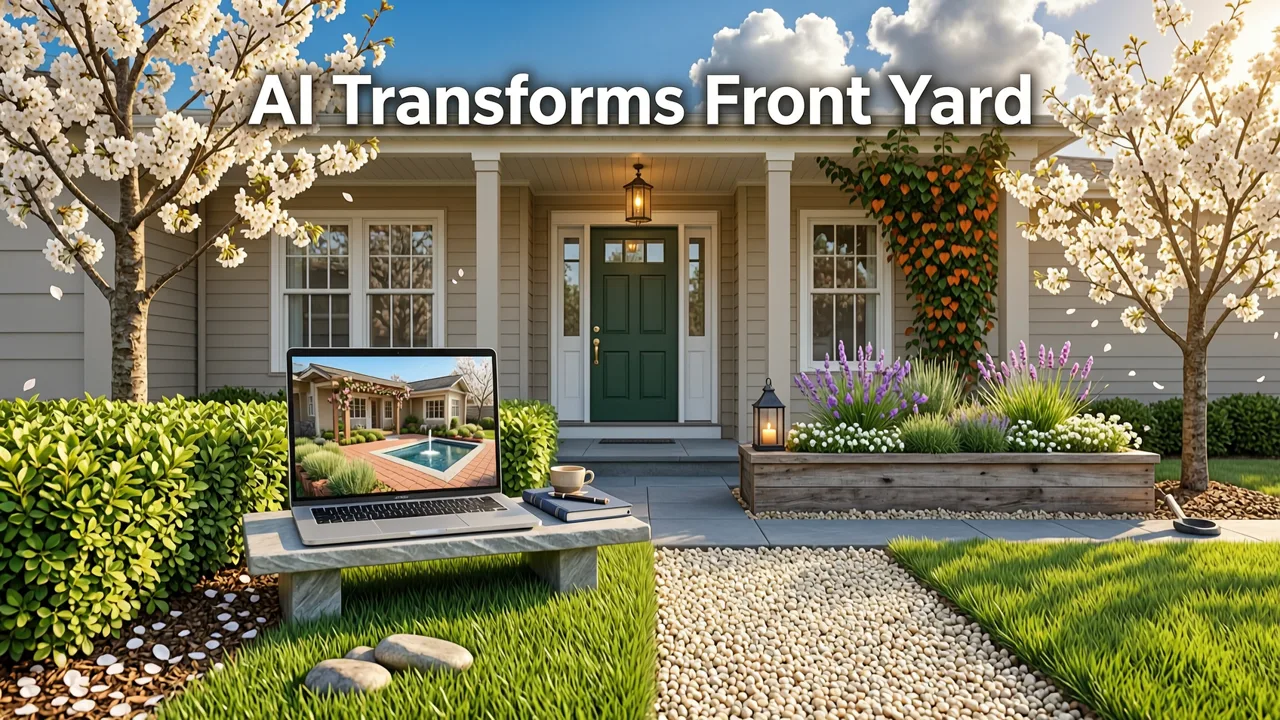
AI garden design tools use advanced computer vision and generative models to analyze your photo and produce context-aware landscape concepts. Here's what's happening behind the scenes when you upload your front yard image:
1. Depth-Aware Scene Reconstruction
The AI first maps the three-dimensional structure of your yard. It identifies the house facade, walkway, driveway, existing vegetation, fences, and sightlines from the street. This spatial understanding ensures that generated designs respect your property's actual proportions rather than pasting generic templates over a flat image.
2. Style-Adaptive Layout Generation
Once the scene is understood, the model applies your chosen style—whether that's modern minimalist, cottage garden, xeriscape, or tropical lush—and generates plant placements, hardscape elements, and color palettes that fit the architectural context. A Mediterranean-style home gets olive trees and lavender borders. A mid-century ranch gets clean lines with ornamental grasses and geometric pavers.
3. Seasonal and Regional Intelligence
The best 2026 AI tools factor in climate zone data. They won't suggest frost-tender bougainvillea for a front yard in Minneapolis, and they'll recommend drought-tolerant natives for a Phoenix property. This regional awareness separates useful design tools from pretty-but-impractical image generators.
7 Front Yard Landscape Ideas AI Can Generate from Your Photo
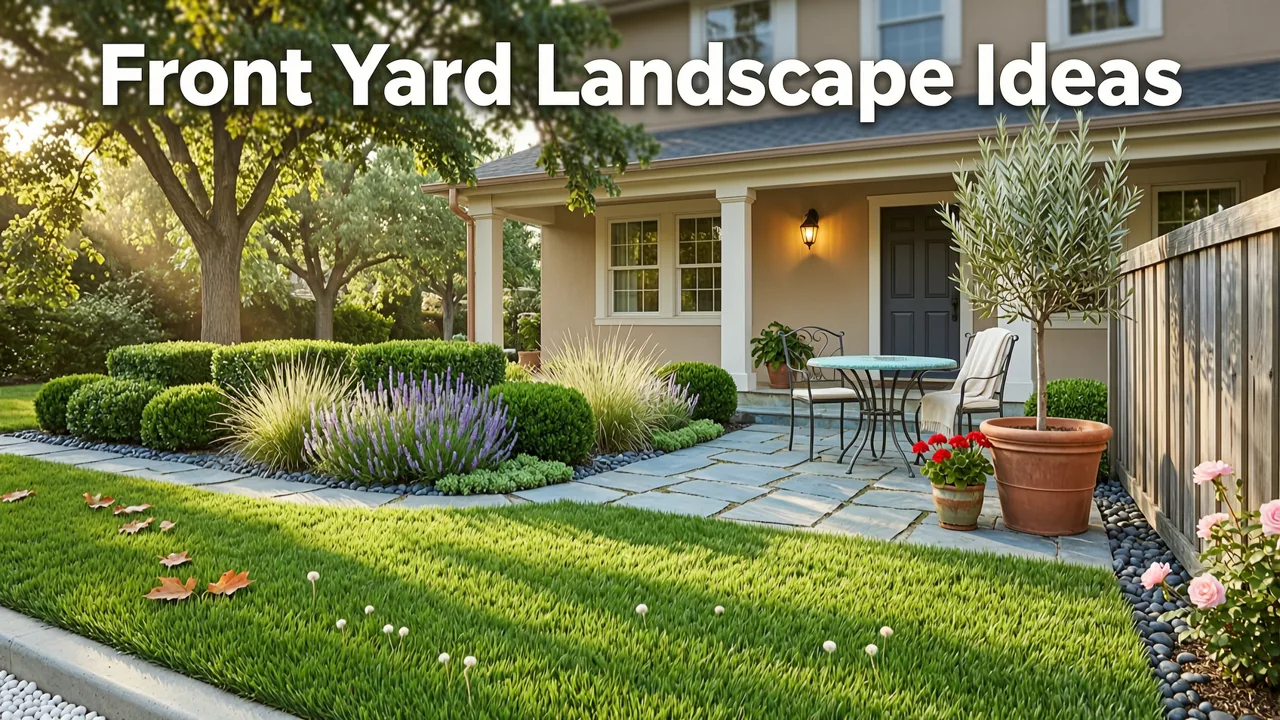
Here are the most popular front yard design directions homeowners are exploring with AI visualization in 2026. Each can be previewed directly from your uploaded photo.
1. Modern Minimalist with Clean Lines
Characterized by restrained plant palettes, repeated architectural elements, and negative space. Think boxwood hedges clipped into precise rectangles, a single specimen tree, and decomposed granite replacing thirsty lawn. AI renderings help you see whether this stripped-back approach will feel elegant or empty in your specific yard width and home style.
2. Cottage Garden with Curved Borders
Layered perennials, climbing roses, and informal drifts of color soften traditional home facades. The AI shows you how overlapping bloom times and plant heights will look throughout the growing season, so you can avoid the common mistake of planting everything at the same height.
3. Xeriscape and Drought-Resistant Design
With water restrictions expanding across more regions in 2026, xeriscaping has moved from southwestern niche to nationwide practicality. AI tools generate designs featuring agave, ornamental grasses, gravel mulch, and permeable pathways—showing you that water-wise doesn't mean barren.
4. Pollinator-Friendly Native Plantings
Front yards designed to support bees, butterflies, and birds are trending hard this year. AI visualizations let you preview how native coneflowers, milkweed, and bee balm will look massed along your property line versus interplanted with ornamental grasses for year-round structure.
5. Tropical or Subtropical Statement Yards
Broad-leaf plants, bold color accents, and layered canopy create resort-like curb appeal in warm climates. AI helps you balance the lushness so your yard looks intentional rather than overgrown, positioning tall palms or tree ferns where they frame rather than obscure your entrance.
6. Edible Front Yard Landscaping
Vegetable beds, fruit trees, and herb gardens are moving from backyard secrecy to front yard pride. AI tools show how raised beds, espaliered fruit trees, and productive shrubs like blueberries can be arranged to look ornamental while remaining functional.
7. Low-Maintenance Lawn Replacement
For homeowners tired of mowing, AI can visualize alternatives like creeping thyme, clover lawns, ornamental ground covers, or artificial turf with surrounding planted beds. Seeing these options rendered in your actual space makes the transition feel less risky.
Step-by-Step: Generate Front Yard Landscape Ideas AI in Under 2 Minutes
Using an AI landscape design tool is straightforward. Here's the exact process to get usable front yard concepts from your photo:
- Take a clear photo of your front yard. Stand at the street or sidewalk, shoot straight-on, and include your house facade, walkway, and existing plantings. Shoot on an overcast day or during golden hour to avoid harsh shadows that confuse the AI.
- Upload your photo to the AI design tool. At AI-Design Gardens, simply drag your image into the upload field. The system processes it in seconds.
- Select your preferred style. Browse available design directions—modern, cottage, xeriscape, native, and more—and choose one that matches your home's architecture and your maintenance preferences.
- Review generated concepts. The AI produces realistic renderings showing new plants, hardscape changes, and overall layout within your actual yard. Compare multiple styles side by side.
- Refine and save favorites. Adjust elements, try different plant combinations, and save the concepts you want to explore further. You can share these directly with a landscaper or use them as a shopping guide at your local nursery.
If you're also planning outdoor living changes beyond the front yard, the same workflow applies to backyards and patios. You can explore how to design a backyard from photo using identical AI principles, or check out patio layout ideas from photo if your project includes outdoor entertaining spaces.
What Makes a Good Front Yard Photo for AI Processing?
The quality of your AI-generated designs depends heavily on your input photo. Follow these guidelines for the best results:
- Shoot from a straight-on perspective. Stand at the curb or property line and aim directly at your house. Avoid extreme angles that distort proportions.
- Include the full context. Capture your house facade, front door, walkway, driveway edge, and existing plantings in one frame. The AI needs spatial relationships to generate coherent designs.
- Avoid heavy shadows. Overcast days or early morning light produce even illumination that helps the AI identify surfaces and plant structures accurately.
- Remove temporary clutter. Move cars, trash bins, and hoses out of frame before shooting. These objects can interfere with the AI's understanding of your yard's permanent layout.
- Use high resolution. Modern phone cameras produce more than enough quality. Avoid heavily compressed or blurry images.
Comparing Popular Front Yard Styles: Which AI Concept Fits Your Home?
Not every design style works with every house. Use this comparison table to narrow your choices before uploading to the AI tool.
| Design Style | Best For | Maintenance Level | Water Needs | Climate Fit |
|---|---|---|---|---|
| Modern Minimalist | Contemporary, mid-century, and ranch homes | Low | Low to moderate | All zones |
| Cottage Garden | Traditional, farmhouse, and craftsman homes | Moderate to high | Moderate to high | Zones 4–9 |
| Xeriscape | Any architectural style in dry regions | Low | Very low | Zones 7–10 |
| Native Pollinator | Eco-conscious homeowners, natural settings | Low to moderate | Low once established | Zone-specific natives |
| Tropical Statement | Mediterranean, coastal, and modern homes | Moderate | High | Zones 9–11 |
| Edible Front Yard | Sustainable living enthusiasts | High | Moderate | All zones with season planning |
Once you've identified two or three styles that suit your home and lifestyle, the AI tool lets you visualize each one in your actual yard—making the final decision dramatically easier than scrolling through generic inspiration photos online.
Common Front Yard Mistakes AI Helps You Avoid
Even experienced gardeners make front yard errors that cost hundreds or thousands of dollars to fix. AI visualization catches these before you plant:
Scale and Proportion Errors
Planting a tree that will grow to 40 feet tall directly under a power line, or placing oversized shrubs that block your windows within two seasons. AI renderings show mature plant sizes in context with your home, so you can adjust spacing before buying.
Style Mismatches
Formal clipped hedges on a rustic farmhouse, or wild meadow plantings in front of a sleek contemporary home. Seeing AI-generated concepts prevents costly aesthetic discord that becomes obvious only after installation.
Seasonal Gaps
Planting spring bloomers without considering summer and fall interest leaves your yard looking bare for half the year. AI tools that factor in seasonal data help you choose plants with staggered bloom times and persistent structure.
Ignoring Sightlines
Your front yard is viewed from the street, your front door, and your neighbors' windows. AI visualization shows how plantings look from multiple angles, ensuring your design works from every perspective.
From AI Concept to Real Planting: Your Next Steps
Once you've generated and refined your front yard concepts using AI, here's how to move from digital rendering to physical reality:
- Identify specific plants. Use your AI renderings as a reference when visiting nurseries or browsing plant databases. Note the plant types, heights, and spacing shown in your favorite concepts.
- Verify climate compatibility. Cross-reference suggested plants with your USDA hardiness zone and local extension service recommendations. AI tools built for 2026 include regional data, but it's worth double-checking for your specific microclimate.
- Get quotes from landscapers. Share your AI-generated concepts with local landscape professionals. Having a visual reference dramatically improves quote accuracy compared to describing your vision verbally.
- Phase your implementation. You don't need to install everything at once. Start with structural elements—trees, large shrubs, pathways—then add perennials and seasonal color in subsequent seasons.
- Document your plan. Save your AI renderings alongside your plant list and installation timeline. This becomes your reference guide for maintenance and future updates.
For homeowners working with limited space, exploring small backyard landscape ideas with the same AI approach can help you maximize every square foot of your entire property.
Why AI Front Yard Design Beats Traditional Methods in 2026
Traditional front yard planning involves browsing magazines, scrolling Pinterest, visiting show gardens, and trying to mentally transplant those ideas into your own space. It's time-consuming, often inaccurate, and rarely accounts for your specific conditions.
AI-powered design tools eliminate that translation gap. You see your actual yard transformed—not someone else's yard in a photo. This specificity leads to better decisions, fewer expensive mistakes, and higher satisfaction with the final result.
The technology behind these tools continues advancing rapidly. According to Google's AI responsibility principles, the best consumer AI applications prioritize user benefit, transparency, and accuracy—qualities that separate reliable landscape design tools from novelty generators that produce pretty but impractical results.
Modern AI landscape tools leverage the same foundational models documented in resources like OpenAI's technical documentation, applying advanced image understanding and generation capabilities to solve real homeowner problems. The result is a planning tool that's accessible, affordable, and genuinely useful.
Getting Started with AI Front Yard Design Today
The barrier to trying AI-powered front yard design has never been lower. You don't need design software skills, architectural knowledge, or a big budget. You need a photo of your yard and two minutes.
Start by walking around your property and identifying the angles that best show your front yard's current layout. Take several photos in good lighting. Then upload your best shot to an AI design tool, experiment with a few different styles, and see what resonates.
You'll likely find that the process sparks ideas you hadn't considered. Maybe that bare side yard could become a pollinator border. Maybe your narrow front walk would benefit from layered plantings instead of a single row of foundation shrubs. Maybe you'll discover that a bold xeriscape transformation is exactly what your home needs.
The beauty of AI visualization is that exploring these possibilities costs nothing and commits you to nothing. You're free to experiment, compare, and refine until you land on a front yard vision that feels right. Then—and only then—you invest in plants, materials, and labor with confidence that your design will look as good in reality as it does on screen.
Final Thoughts: Your Front Yard Transformation Starts with a Photo
Front yard landscape ideas AI tools generate in 2026 are remarkably sophisticated, context-aware, and practical. They bridge the gap between inspiration and execution by showing you exactly how design concepts will look in your specific space, accounting for your home's architecture, your yard's proportions, and your regional growing conditions.
Whether you're planning a complete curb appeal overhaul or simply want to refresh your foundation plantings, AI visualization gives you the confidence to move forward with a clear plan. No more guessing. No more expensive mistakes. Just realistic, personalized design concepts you can trust.
Ready to see what's possible in your front yard? Grab your phone, snap a photo of your yard, and upload it to AI-Design Gardens. In under two minutes, you'll have professional-quality landscape concepts tailored to your home—free to explore, easy to share, and ready to bring to life.


