

Why a Front Yard Landscape Design Tool Changes the Way You Plan Curb Appeal in 2026
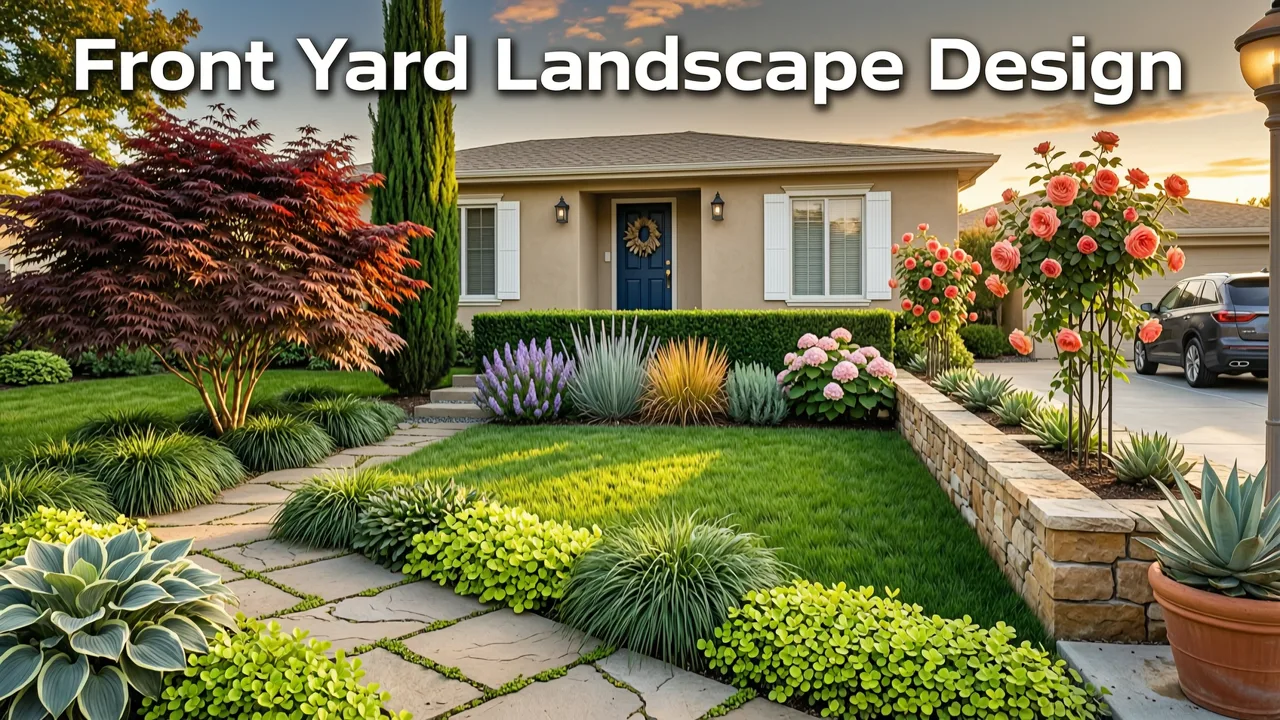
If you've ever stared at your front yard—phone in hand, squinting at patchy grass, an overgrown hedge, or a cracked walkway—and wondered how it could look with clean lines, layered planting, or a modern entry, you already understand the problem a front yard landscape design tool solves. The answer is simple: upload a photo of your actual yard, choose a style, and see realistic design concepts in seconds. No sketching, no expensive consultations, no buying plants on a hunch.
In 2026, AI-powered landscape design has moved far beyond cartoonish overlays. Modern front yard landscape design tools reconstruct your scene in depth, match plant palettes to your climate zone, and render features like stone pathways, low walls, and mixed borders with enough accuracy that you can confidently share the output with a contractor—or use it as your own planting blueprint. This guide walks you through exactly how these tools work, what to look for, and how to get the most from your first upload.
How a Front Yard Landscape Design Tool Turns Your Photo into a Plan
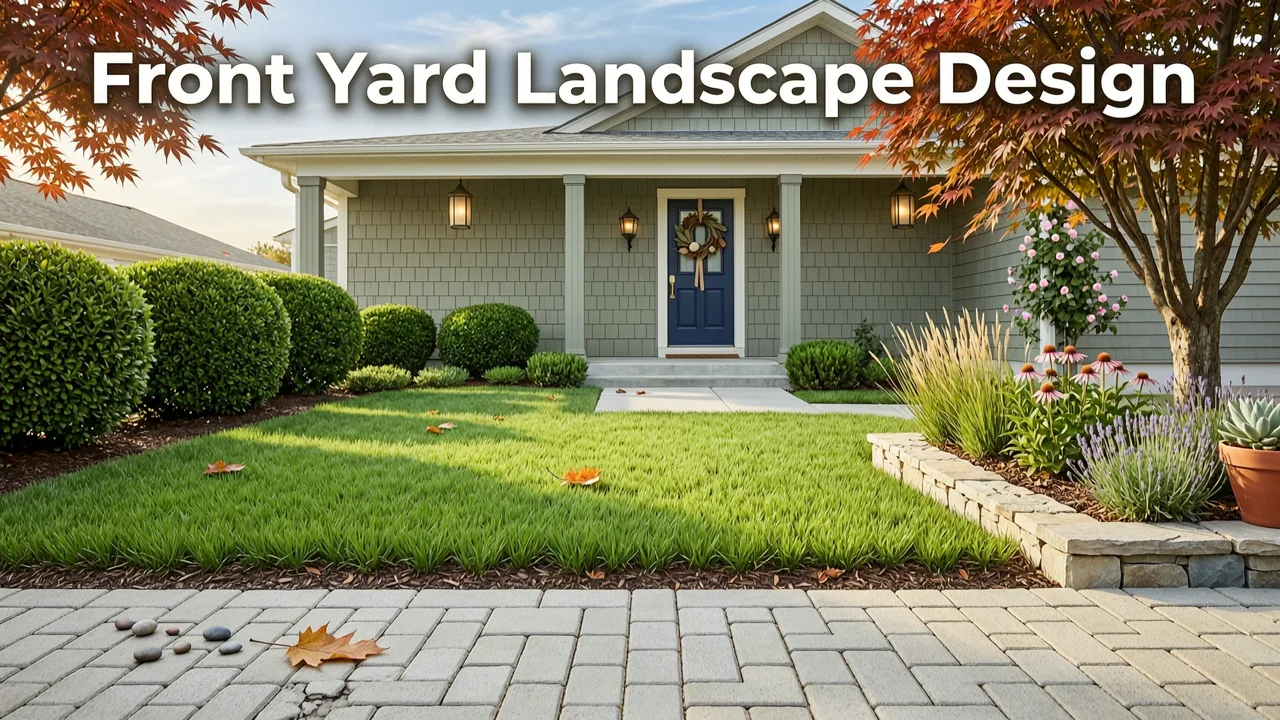
The best tools in 2026 follow a consistent pipeline: capture, analyze, generate, and refine. You take a photo from a fixed position—ideally straight-on from the sidewalk or driveway—and the software handles the rest. Behind the scenes, depth-aware scene reconstruction identifies your house façade, existing hardscape, sightlines, and open soil or turf areas. Then style-adaptive generation layers in design elements that respect your architecture, light exposure, and spatial proportions.
Landscape Design iScape 3.0 App Tutorial
by iScape - Landscape Design
The result is not a fantasy rendering disconnected from reality. It is a grounded visualization of your specific property, which is why homeowners use these tools to compare directions before committing to a single concept. You can preview a cottage-style border, a minimalist xeriscape, or a formal symmetrical entry—all on the same photo—and decide which direction earns your time and budget.
1. Depth-Aware Scene Reconstruction
Older design apps flattened your yard into a single plane and pasted clip-art plants on top. Current front yard landscape design tools map depth from a single image, understanding which elements sit in front of your house, which recede, and where the ground plane actually is. This means the rendered shrubs scale correctly, pathways follow realistic perspective, and the final image looks like a photograph of a finished project—not a collage.
2. Style-Adaptive Layout Generation
You select a design direction—Mediterranean, Japanese-inspired, modern native, cottage garden, desert xeriscape, or dozens of others—and the tool generates a layout that respects the proportions of your yard and the architectural language of your home. A craftsman-style bungalow reads differently than a mid-century modern façade, and the generation engine adjusts plant forms, material palettes, and feature placement accordingly.
3. Climate and Zone-Aware Plant Matching
A beautiful front yard that dies by August is not a success. The leading tools in 2026 cross-reference your generated design with USDA hardiness data and regional climate inputs, so the suggested plants can actually thrive where you live. This is the difference between a mood board and an actionable plan you can hand to a nursery or landscaper.
What to Look for in a Front Yard Landscape Design Tool in 2026
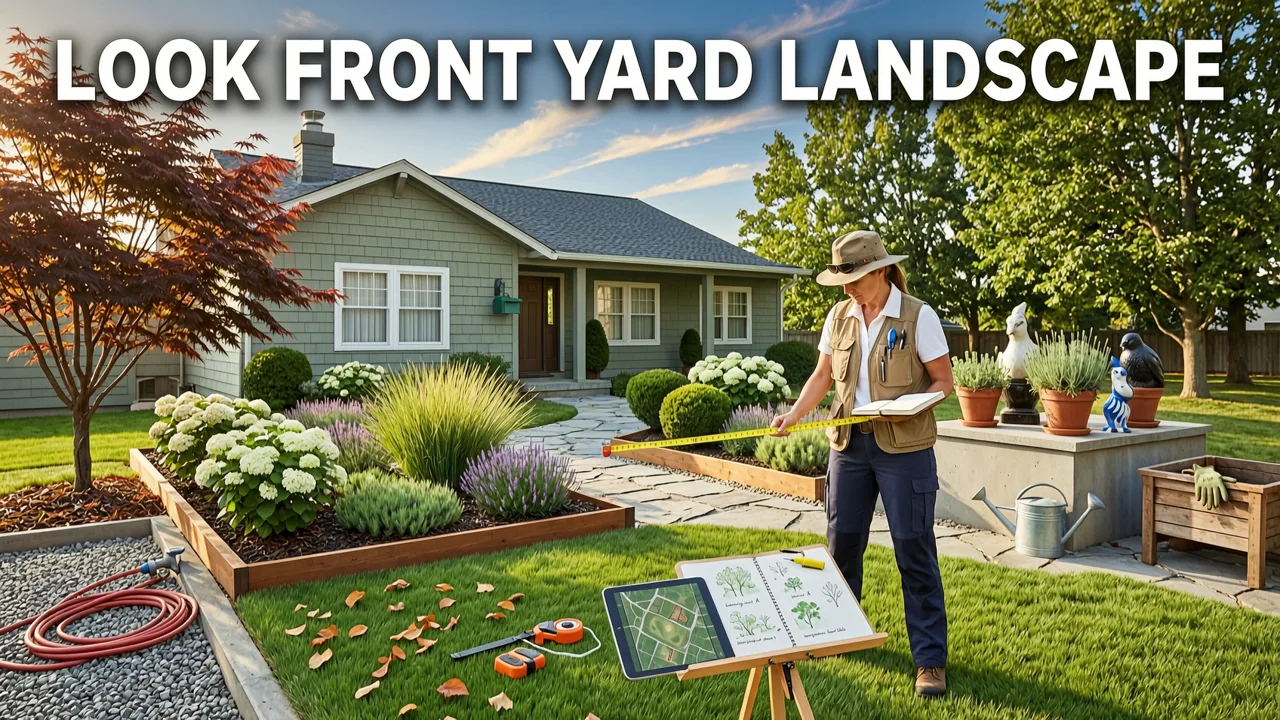
Not every app marketed as a landscape design tool will deliver professional-grade output. Here is a comparison framework to separate the genuinely useful from the gimmicky.
| Feature | What It Means | Why It Matters for Front Yards |
|---|---|---|
| Single-photo upload | You upload one image; no 3D modeling required. | Front yards are public-facing—quick iteration lets you compare styles before neighbors notice the weeds. |
| Depth-aware rendering | Plants and features scale correctly in perspective. | Prevents the "pasted-on" look that undermines confidence in the design. |
| Multiple style presets | Choose from curated design directions. | Lets you explore options you might not have considered on your own. |
| Climate-zone plant matching | Suggested species match your growing region. | Reduces plant replacement costs and maintenance failures. |
| Exportable concept boards | Download or share rendered images. | Gives contractors a clear visual brief without a design retainer. |
| Free preview tier | Generate concepts before paying. | Lets you validate the tool on your actual property before investing. |
Front Yard Styles That Translate Best Through AI Visualization
Some design directions benefit more from visualization than others, simply because the gap between "imagine" and "execute" is widest for styles that rely on precise proportions or plant combinations. Here are the front yard approaches that consistently produce the strongest before-and-after results when run through a design tool.
The Layered Native Border
A tiered planting scheme—tall ornamental grasses in back, mid-height perennials in the middle, low groundcovers in front—creates depth and year-round interest. The challenge is visualizing how those layers read from the street. A front yard landscape design tool lets you test species combinations and see whether the composition feels balanced or crowded before you break ground.
The Minimalist Xeriscape Entry
Agave, desert willow, decomposed granite, and clean concrete edging define this look. It is dramatically different from a traditional lawn-based yard, and the transformation can be hard to picture without a rendering. Seeing the finished concept on your own photo removes the anxiety of committing to a water-wise yard that looks nothing like your neighbors'.
The Cottage Garden Walkway
Curved paths, mixed flower borders, and a sense of controlled abundance define the cottage aesthetic. It is easy to overplant and end up with a tangled mess. Visualization tools help you judge spacing, color flow, and path width so the result feels charming rather than chaotic.
The Formal Symmetrical Façade
Matched plantings on either side of a central axis—boxwood hedges, columnar trees, or repeated ornamental specimens—create a polished, architectural curb appeal. Symmetry is unforgiving of mistakes, which is exactly why you want to preview it digitally first. A front yard landscape design tool reveals whether your entry has the proportions to support formal symmetry or whether an asymmetrical approach will read better.
How to Get the Best Results From Your Upload
The quality of your output depends significantly on the quality of your input. Follow these steps to maximize the accuracy and usefulness of your generated concepts.
- Shoot from a consistent, eye-level position. Stand at the sidewalk or curb and hold your phone at roughly chest height. Avoid extreme angles or wide-angle lens distortion.
- Capture the full façade. Include enough of your house front to give the tool context for architectural style. If your yard is very wide, take two overlapping photos rather than one extreme wide shot.
- Shoot in even, natural light. Overcast days or open shade produce the most accurate color and shadow rendering. Harsh midday sun creates blown-out highlights that confuse the depth engine.
- Clear obvious clutter. Remove cars, trash bins, and hoses from the frame. The tool can work around them, but a cleaner input produces a cleaner output.
- Generate multiple style variations. Don't stop at the first render. Run three or four style presets on the same photo and compare. The differences will sharpen your sense of what you actually want.
From Visualization to Execution: Bridging the Gap
A rendered concept is not a planting plan—but it is the single most valuable intermediate step between "I hate my front yard" and "my front yard is finished." Once you have a direction you love, you can use the visualization as a communication tool with landscapers, a reference for plant selection at your local nursery, or a roadmap for a DIY phased installation.
If you are also planning outdoor living areas behind the house, the same workflow applies. You can explore backyard landscape ideas before and after using identical photo-to-render logic, and if your rear outdoor space includes a patio or deck, tools like the patio layout ideas from photo workflow let you extend the same design consistency from front to back.
For smaller or more constrained spaces—side yards, narrow frontage, or urban lots—the principles remain the same but the plant selection becomes even more critical. The small backyard landscape ideas framework applies equally to tight front yards where every square foot of planting area must earn its place.
Common Mistakes Homeowners Avoid by Visualizing First
The most expensive landscaping errors are not construction mistakes—they are design mistakes made before a single shovel hits the ground. A front yard landscape design tool helps you sidestep the most common ones.
- Planting too close to the foundation. A mature shrub that looks perfect as a gallon-sized specimen will press against your siding in three years. Visualization tools scale plants to mature size, revealing clearance issues early.
- Mismatched style and architecture. A tropical planting scheme against a New England colonial reads as confused, not eclectic. Seeing the combination rendered on your actual house prevents costly course corrections.
- Ignoring sightlines from the street. Your front yard is viewed primarily from a moving car. Proportions that look balanced from the porch may read as sparse or overwhelming from the curb. A tool that renders from the street-level perspective catches this.
- Overcommitting to a single plant palette. Buying all your plants in one nursery trip locks you into whatever was in stock. Visualization lets you compare palettes before purchasing, so you buy with intention.
How AI Landscape Design Tools Are Built: A Brief Technical Note
For readers who want to understand what is happening under the hood, modern front yard landscape design tools are built on large-scale vision models trained on millions of landscape photographs, architectural references, and plant databases. The generation pipeline typically involves depth estimation, semantic segmentation (identifying sky, house, ground, existing vegetation), and conditional image synthesis guided by your style prompt. Responsible AI practices—such as those outlined in Google's AI responsibility guidance—increasingly shape how these tools handle user-uploaded property images, with privacy safeguards and data retention policies worth reviewing before you upload.
The underlying models continue to improve. Training documentation from providers like OpenAI shows how multimodal systems process visual and textual inputs together, which is exactly the capability that lets you upload a photo and describe a style in natural language simultaneously.
Pricing and Access: What to Expect in 2026
Most credible front yard landscape design tools in 2026 operate on a freemium model. Free tiers typically allow a limited number of photo uploads and style generations per month—enough to test the tool on your property and compare a few directions. Paid tiers unlock higher-resolution exports, additional style presets, climate-specific plant recommendations, and the ability to generate multiple variations on a single concept.
For a typical homeowner planning a front yard refresh, the free tier is usually sufficient to find your direction. You only need to upgrade if you want contractor-ready exports or want to iterate extensively across multiple design options.
Who Benefits Most from a Front Yard Landscape Design Tool
The short answer: anyone with a front yard they are not happy with and a reluctance to spend money on a design that might miss the mark. More specifically, these tools deliver the highest value for:
- Homeowners planning a DIY refresh who need a clear planting and layout plan before visiting the nursery.
- Homeowners hiring a landscaper who want to communicate their vision clearly and avoid expensive redesign cycles.
- Renters or new homeowners evaluating a property's curb appeal potential before committing to improvements.
- Gardeners experimenting with new styles who want to preview combinations before investing in plants that may not suit their vision.
Final Thoughts: See It Before You Build It
The single biggest advantage of a front yard landscape design tool in 2026 is that it collapses the gap between imagination and execution. You no longer have to stand on your curb, squint at your yard, and hope that the plants you buy will look the way you picture. You upload, you visualize, you compare, and then you act—with confidence that the direction you choose is one you have actually seen on your own property.
If your front yard is ready for a change, start with a single photo. Upload it, run a few style variations, and let the tool show you what is possible. The gap between where your yard is today and where it could be is smaller—and more visible—than you think.
Ready to see your front yard reimagined? Upload your photo to AI Garden and preview your landscape design concepts for free today.


