

Why Getting Custom Garden Plans From Photo Is the 2026 Standard
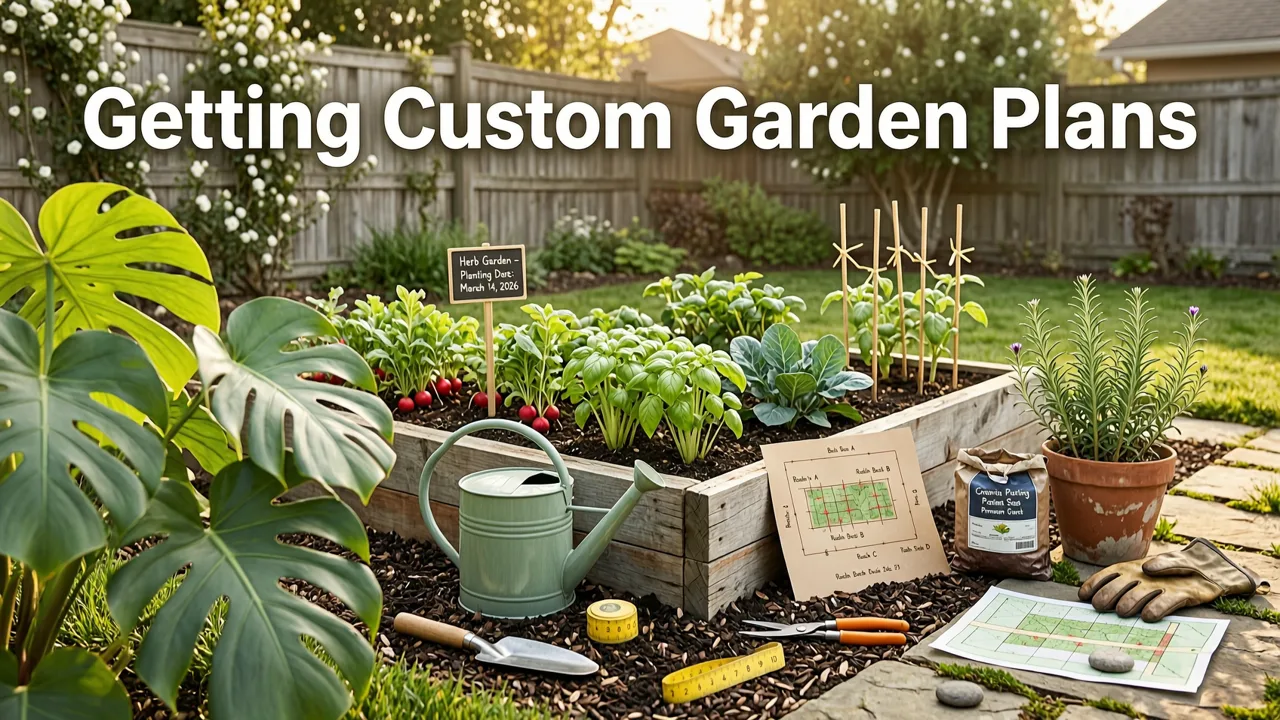
If you have ever stared at a blank yard or an overgrown patio, struggling to visualize a complete transformation, you are not alone. The days of relying on expensive, time-consuming 2D sketches and abstract mood boards are over. Today, you can get custom garden plans from photo in a matter of minutes using advanced artificial intelligence. By simply uploading an image of your outdoor space, modern AI tools analyze the existing architecture, lighting, and spatial dimensions to generate realistic, fully planted landscape concepts.
This shift represents a massive leap forward for homeowners, renters, and gardening enthusiasts. In 2026, generative AI has moved far beyond simple image filters. It now understands spatial geometry, botanical growth patterns, and hardscape integration. Whether you are looking to overhaul a compact urban balcony or redesign a sprawling suburban backyard, AI-driven visualization allows you to compare multiple design directions instantly. This ensures you avoid costly planting mistakes and make confident decisions before breaking ground or purchasing a single shrub.
How AI Generates Custom Garden Plans From Photo
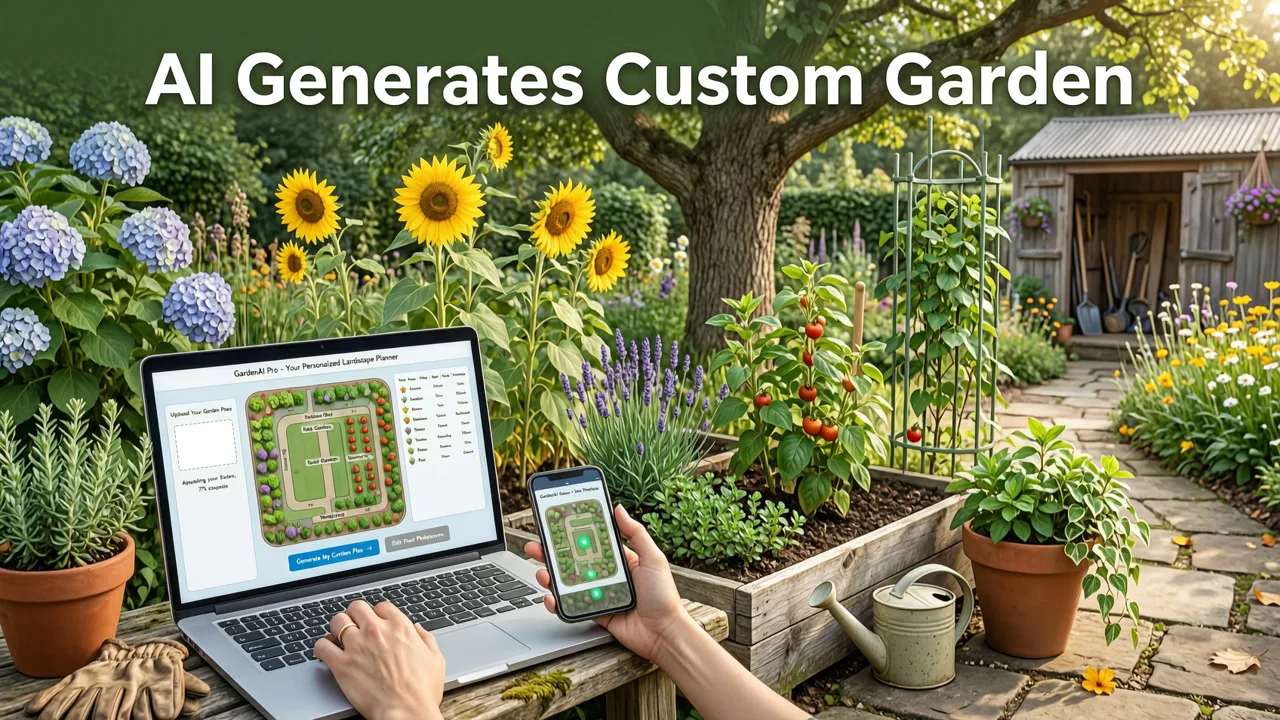
The technology behind generating custom garden plans from photo relies on sophisticated multimodal vision models. These systems do not merely paste clip-art plants over your image; they reconstruct the environment to ensure every element belongs in the physical space.
Photoshop to Anywhere POD: Create a Custom “Grandma’s Garden” Product!
by Custom POD Design LTD
Depth-Aware Scene Reconstruction
When you upload a photograph, the AI first maps the Z-axis of your yard. It identifies the horizon line, calculates the distance between the camera and various background elements, and recognizes existing structures like fences, patios, and retaining walls. According to OpenAI documentation on multimodal vision capabilities, these models process spatial relationships to ensure that foreground plants do not obscure background architecture and that pathways follow natural topographical contours.
Style-Adaptive Layout Generation
Once the spatial geometry is locked, the AI applies your chosen design style—whether that is Mediterranean, Japanese Zen, or modern minimalist. It selects flora and hardscape materials that match the aesthetic while adhering to botanical logic. Tall canopy trees are placed in the background, mid-level shrubs fill the middle ground, and groundcovers or perennials anchor the foreground. This adherence to scale and proportion is what separates a professional-grade custom garden plan from a basic digital mockup.
Step-by-Step Guide to Creating Custom Garden Plans From Photo
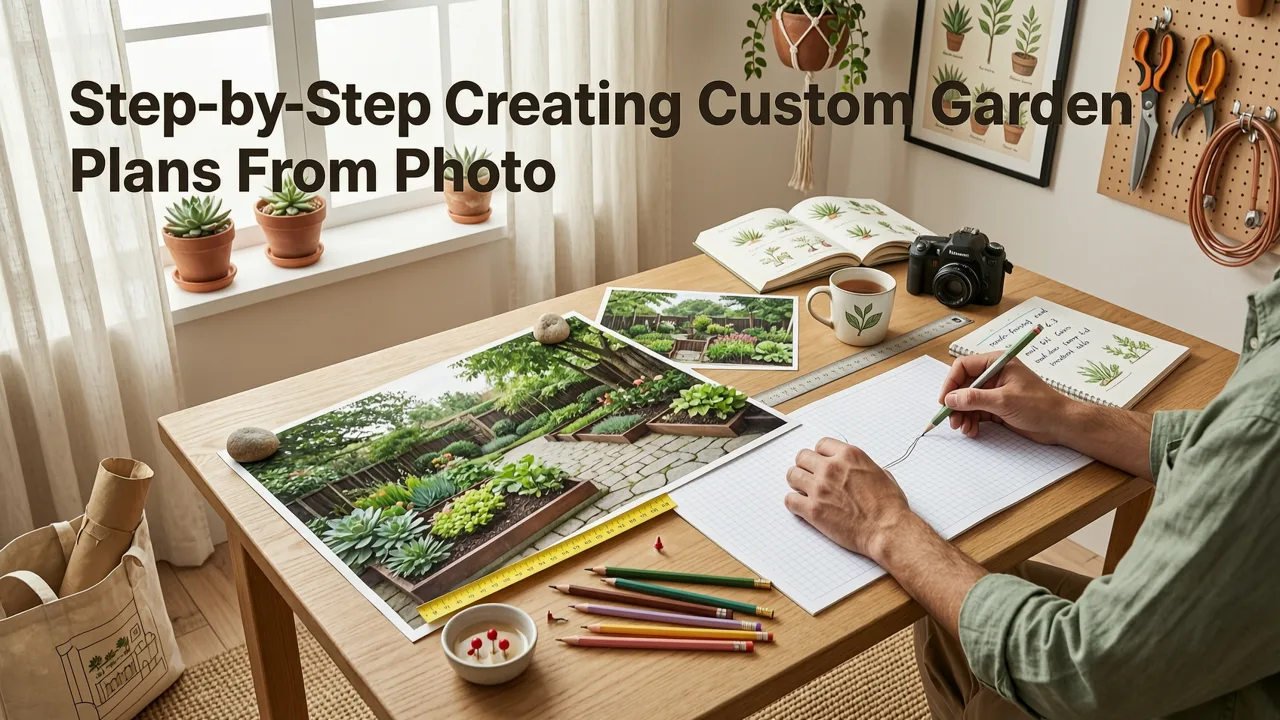
Generating a highly accurate landscape design requires a systematic approach. Follow these steps to ensure your AI-generated plans are both beautiful and practically executable.
Step 1: Capture a High-Quality Base Image
The quality of your output is directly tied to the quality of your input. Stand at the edge of your property or patio and take a clear, well-lit photograph. Avoid harsh midday shadows if possible, as early morning or late afternoon light provides the most even illumination. Ensure the entire area you wish to redesign is visible within the frame, and try to keep the camera level to help the AI accurately judge horizontal lines.
Step 2: Upload and Define Your Design Parameters
Upload your image to an AI landscape design platform. You will then be prompted to define your parameters. This includes selecting your preferred aesthetic style, choosing a color palette, and specifying any existing features you want to keep, such as a large oak tree or a built-in fire pit. The more specific you are with your inputs, the more tailored your custom garden plans from photo will be.
Step 3: Generate and Refine Your AI Concepts
Initiate the generation process. Within seconds, the AI will render multiple design variations. Review each concept critically. Look at how the plant sizes interact with your home’s architecture and how the hardscape materials complement your existing exterior. Use the platform’s refinement tools to swap out specific plants, change paving materials, or adjust the density of the foliage until the design perfectly matches your vision.
Traditional Landscaping vs. AI Photo-Based Planning
To understand the value of AI-generated designs, it is helpful to compare the traditional landscape architecture process with modern AI photo-based planning.
| Feature | Traditional Landscape Design | AI Photo-Based Planning |
|---|---|---|
| Initial Visualization | 2D sketches or basic 3D wireframes | Photorealistic 3D renders mapped to your actual yard |
| Time to First Concept | 1 to 3 weeks | Under 5 minutes |
| Cost of Exploration | High (consultation and drafting fees) | Low (accessible via web app subscriptions) |
| Iteration Speed | Days to redraw and revise | Instant regeneration and element swapping |
| Spatial Accuracy | Requires manual site measuring | Automated depth-aware scene reconstruction |
Critical Features to Look for in an AI Garden Planner
Not all AI design tools are created equal. When selecting a platform to generate your custom garden plans from photo, ensure the software includes the following critical features to guarantee practical, buildable results.
Accurate Scale and Proportion
The AI must respect the physical boundaries of your yard. A common failure in inferior tools is the generation of massive trees that would physically block your windows or overwhelm a small patio. A premium AI planner uses depth estimation to ensure that every plant and hardscape element is scaled correctly relative to your home and existing structures.
Climate and Hardiness Zone Awareness
A beautiful design is useless if the plants cannot survive in your local environment. The best AI tools integrate environmental data to suggest flora that thrives in your specific climate. Following Google AI guidance on responsible data representation, advanced platforms cross-reference your location with botanical databases to ensure the suggested species are appropriate for your local hardiness zone, sunlight exposure, and soil conditions.
Hardscape and Softscape Balance
Look for a tool that understands the difference between hardscape (patios, walkways, retaining walls) and softscape (plants, trees, lawn). The AI should be able to generate cohesive designs where the hardscape provides structural flow and the softscape adds texture, color, and ecological value.
Common Mistakes to Avoid When Designing Your Garden
Even with AI assistance, it is important to apply critical thinking to your final design. Avoid these common pitfalls to ensure your garden is both functional and sustainable.
Ignoring Mature Plant Sizes
AI might place a shrub perfectly in a small bed based on its current nursery size, but you must account for its mature spread. Always research the ultimate height and width of the plants suggested in your custom garden plans from photo. Give perennials and shrubs adequate spacing to ensure proper air circulation and reduce future maintenance.
Overlooking Sunlight and Drainage Patterns
A design might look stunning in a rendering, but if it places shade-loving hostas in a spot that receives eight hours of direct afternoon sun, the plants will fail. Use your AI concepts as a starting point, but verify that the light and water requirements of the selected flora match the microclimates present in your actual yard.
Neglecting Year-Round Interest
A garden should not look barren in the winter. When refining your AI-generated concepts, ensure a mix of evergreen structures, deciduous trees with striking autumn foliage, and perennials that offer sequential blooming periods. A well-planned landscape provides visual interest across all four seasons.
A successful landscape design bridges the gap between imaginative visualization and practical horticulture. AI provides the vision; the gardener provides the execution.
Conclusion: Transform Your Outdoor Space Today
Getting custom garden plans from photo is no longer a futuristic concept; it is the most efficient, cost-effective way to plan your outdoor transformation in 2026. By leveraging depth-aware AI, you can visualize realistic layouts, experiment with diverse styles, and finalize a design that perfectly suits your home and lifestyle—all before spending a dime on physical materials.
Ready to bring your vision to life? Start by uploading your first photo to our AI design platform. If you are focusing on a specific outdoor area, explore our detailed guides on how to design a patio with your own photo or discover innovative front yard landscape ideas using AI to maximize your curb appeal. For a broader look at the tools shaping the industry, read our comprehensive KE Outdoor Design App review. Your dream garden is just one upload away.


