

Why Drought Tolerant Front Yard Ideas Matter More Than Ever in 2026
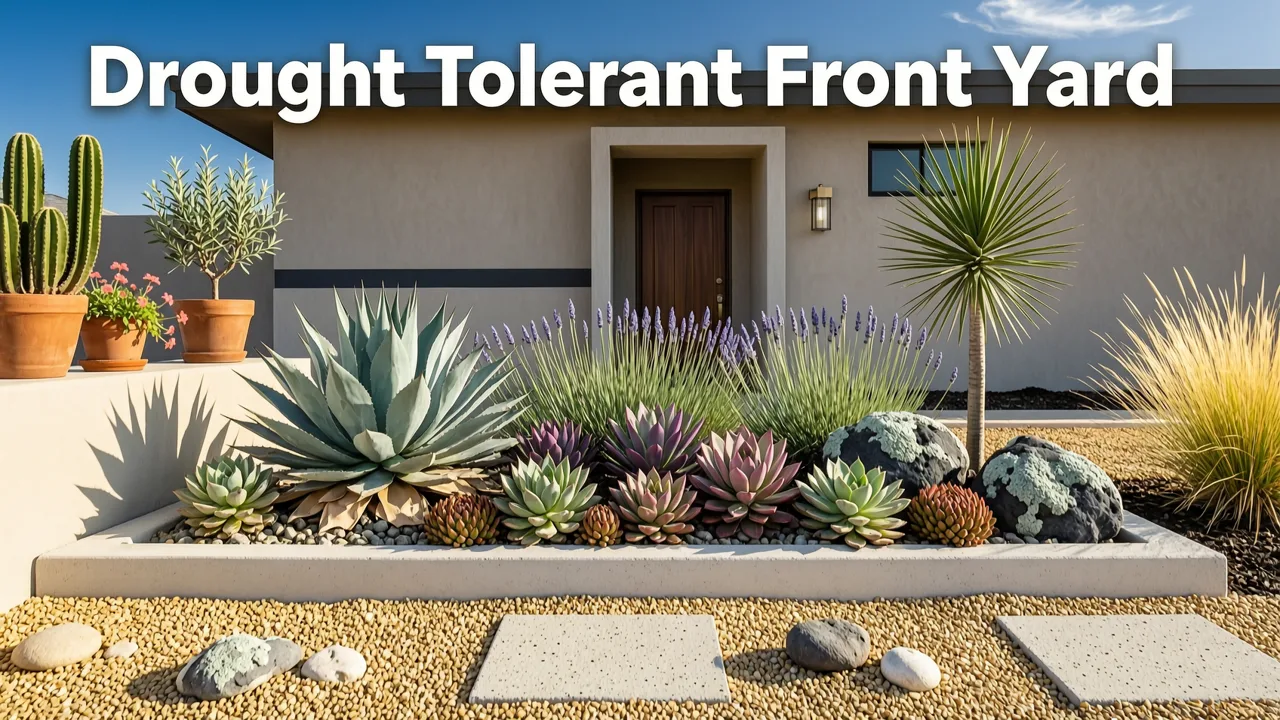
Water restrictions, shifting climate patterns, and rising municipal water costs have fundamentally changed how we approach residential landscaping. If you are looking for sustainable, low-maintenance solutions, exploring drought tolerant front yard ideas is the smartest move for your property's curb appeal and your monthly budget. The most effective approach in 2026 combines water-wise plant selection with strategic hardscaping, visualized through advanced AI before a single shovel hits the dirt.
Traditional turf lawns are rapidly becoming a thing of the past in arid and semi-arid regions. Homeowners and municipal planners alike are recognizing that maintaining a lush, green grass front yard in a dry climate is both ecologically unsustainable and financially draining. By embracing xeriscaping and low-water landscaping principles, you can create a striking, resilient outdoor space that thrives on natural rainfall and minimal supplemental irrigation.
Top Drought Tolerant Front Yard Ideas to Transform Your Curb Appeal
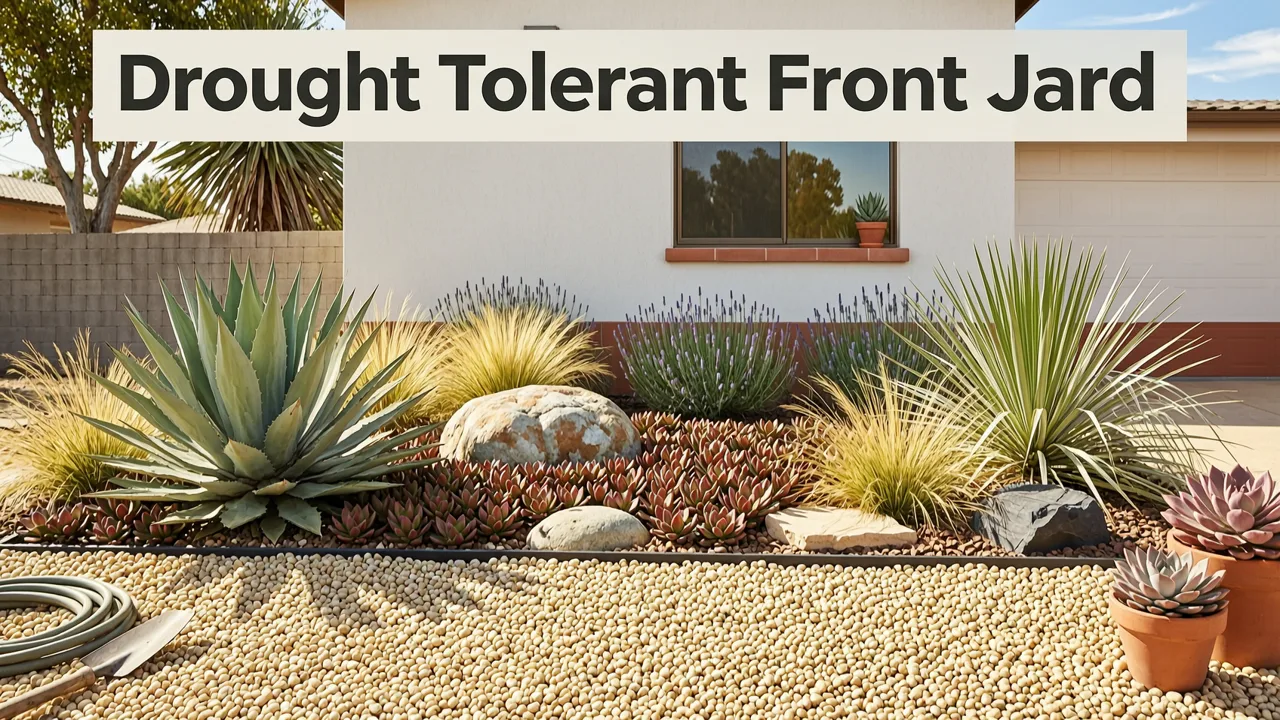
Designing a water-wise landscape does not mean settling for a barren, rocky patch of dirt. Modern sustainable curb appeal relies on texture, architectural plant forms, and thoughtful material choices. Here are the most impactful drought tolerant front yard ideas trending in 2026.
8 Drought-Tolerant Front Yard Landscaping Ideas That Save Water & Look Stunning
by Houzz Ideas
1. Modern Desert Xeriscaping
This style leans into the natural beauty of arid environments. It replaces thirsty grass with a canvas of decomposed granite or crushed gravel, which provides excellent drainage and a clean, contemporary aesthetic. The planting palette focuses on architectural succulents like towering agave, sculptural aloes, and sprawling senecio. Accents such as large native boulders and weathered steel edging add structural interest without requiring a single drop of water. This approach is highly effective in full-sun environments and drastically reduces maintenance time.
2. Mediterranean Herb and Shrub Gardens
For those who prefer a softer, more romantic look, the Mediterranean style offers a brilliant alternative. This design relies on drought-resistant, aromatic shrubs such as lavender, rosemary, Russian sage, and santolina. These plants feature silver or gray-green foliage that naturally reflects sunlight and retains moisture. The ground is typically covered in organic mulch or pea gravel, and the layout is often structured around terracotta accents, permeable stone pathways, and perhaps a small, recirculating water feature that uses a fraction of the water of a traditional lawn.
3. Native Grass and Permeable Hardscape Mixes
If you still desire the look of a traditional lawn but want to eliminate the heavy water footprint, native bunchgrasses are the answer. Species like buffalo grass or blue grama require a fraction of the water needed by conventional turf and go dormant gracefully during extreme heat. By combining these native grasses with permeable pavers for walkways and driveways, you allow rainwater to soak directly into the soil. This reduces runoff, recharges local groundwater, and creates a dynamic, eco-friendly front yard that adapts to the seasons.
How to Visualize Drought Tolerant Front Yard Ideas Using AI
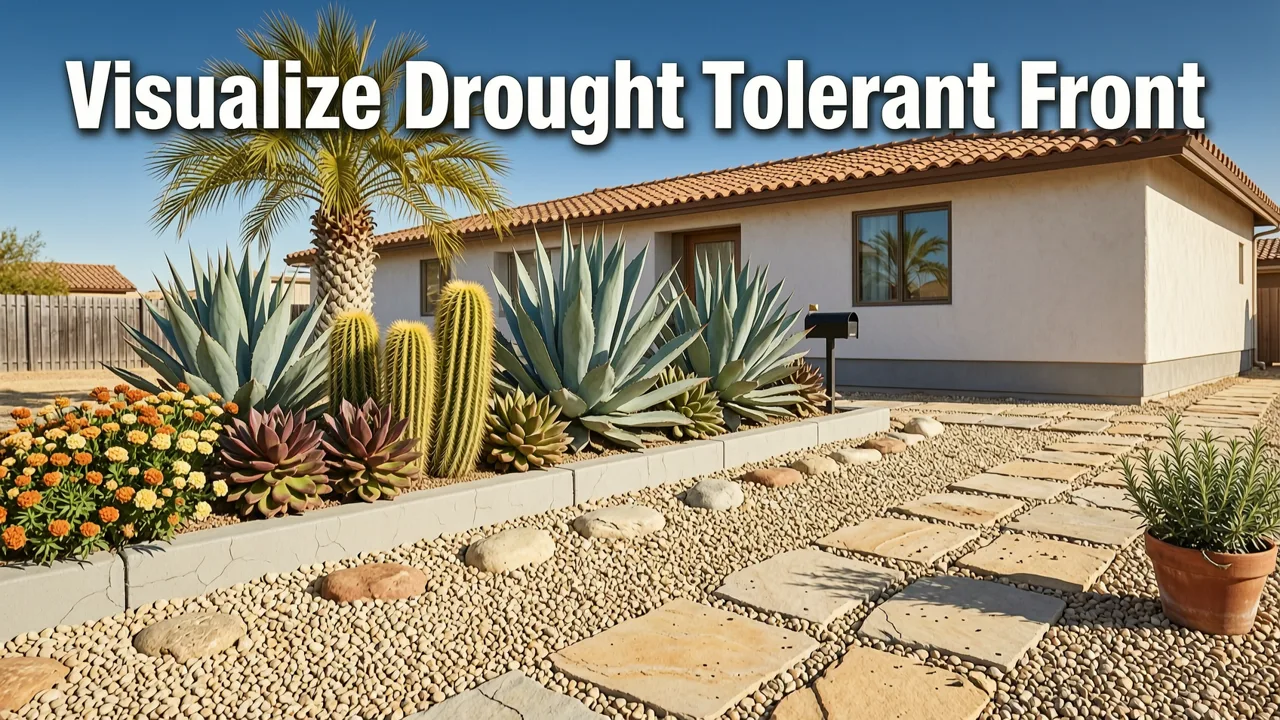
One of the biggest hurdles in landscape redesign is the inability to visualize the final result. Planting a mature agave or laying down decomposed granite is a permanent commitment, and guessing how it will look against your home's exterior often leads to costly mistakes. This is where artificial intelligence has revolutionized the planning process.
In 2026, homeowners no longer need to rely on abstract 2D sketches or expensive preliminary architect renderings. By using an AI Desert Landscape Designer, you can upload a simple photograph of your current front yard and instantly generate realistic, high-fidelity design concepts. The underlying generative models, detailed in resources like the OpenAI documentation, understand spatial relationships, lighting, and botanical accuracy, allowing you to see exactly how a Mediterranean shrub border or a modern gravel pathway will look in your specific environment.
Choosing the Best AI Garden Design App allows you to iterate rapidly. You can compare a xeriscaped layout against a native grass layout in minutes, ensuring you select a design direction that aligns with your local climate, your HOA guidelines, and your personal aesthetic preferences before purchasing any materials.
Choosing the Right Plants for Your Microclimate
Successful water-wise garden design depends heavily on matching the right plant to the right microclimate. Even within a single front yard, sun exposure and soil drainage can vary dramatically. Understanding these variables ensures your low-water plants actually thrive rather than merely survive.
| Plant Category | Top Examples for 2026 | Ideal Sun Exposure | Water Requirements | Best Use in Front Yard |
|---|---|---|---|---|
| Architectural Succulents | Agave, Aloe, Foxtail Fern | Full Sun to Partial Shade | Very Low (Established) | Focal points, border accents |
| Aromatic Mediterranean Shrubs | Lavender, Rosemary, Sage | Full Sun | Low | Foundation planting, pathways |
| Native Ornamental Grasses | Buffalo Grass, Deer Grass | Full Sun | Low to Moderate | Lawn alternatives, softening hardscapes |
| Drought-Deciduous Trees | Desert Willow, Palo Verde | Full Sun | Very Low (Once established) | Canopy shade, vertical interest |
| Groundcover Succulents | Sedum, Creeping Thyme | Partial to Full Sun | Very Low | Filling gaps between pavers |
When selecting plants, always consider the mature size. Overcrowding drought-tolerant plants can lead to poor air circulation and increased water competition. Spacing them appropriately allows each plant to access the moisture it needs without stressing its neighbors.
Step-by-Step: Implementing Your Water-Wise Design
Transitioning from a high-maintenance lawn to a sustainable landscape requires careful execution. Follow this structured approach to ensure your new front yard is both beautiful and resilient.
- Assess and Remove: Begin by evaluating your existing soil and irrigation infrastructure. If removing turf, consider solarization or sheet mulching to kill the grass without using harsh chemical herbicides.
- Grade and Hardscape: Address drainage issues before planting. Install permeable pathways, dry creek beds, or rain gardens to capture and direct occasional heavy rainfall away from your foundation.
- Upgrade Irrigation: Convert your traditional spray heads to a high-efficiency drip irrigation system. Drip lines deliver water directly to the root zone, minimizing evaporation and ensuring every drop is utilized by the plant.
- Plant Strategically: Install your trees and large shrubs first, followed by mid-sized plants and groundcovers. Group plants with similar water needs together, a practice known as hydrozoning, to optimize your irrigation efficiency.
- Mulch Heavily: Apply a two-to-three-inch layer of organic mulch or inorganic gravel around your plants. Mulch is the secret weapon of arid climate plants; it regulates soil temperature, suppresses weeds, and drastically reduces surface evaporation.
Maintaining Your Drought Tolerant Landscape
A common misconception about xeriscaping is that it is entirely maintenance-free. While it requires significantly less upkeep than a traditional lawn, a water-wise garden still demands seasonal attention. Prune dead foliage from ornamental grasses in late winter, clear debris from gravel beds to maintain drainage, and monitor your drip irrigation system for clogs or leaks. During the first year of planting, your drought-tolerant species will still require regular, deep watering to establish their root systems. Once established, however, they will reward you with year-round beauty and exceptional resilience.
Embracing drought tolerant front yard ideas is more than just a landscaping trend; it is a practical, forward-thinking investment in your property and your local ecosystem. By leveraging modern AI visualization tools and selecting the right materials, you can create a stunning, water-wise entrance to your home that stands the test of time and climate.
Ready to see how your front yard could look with a sustainable, water-wise redesign? Upload a photo of your current landscape to our AI design platform today and explore your drought tolerant front yard ideas in realistic detail before you begin planting.


