

How to Upload Photo to Design Backyard Layouts Using AI
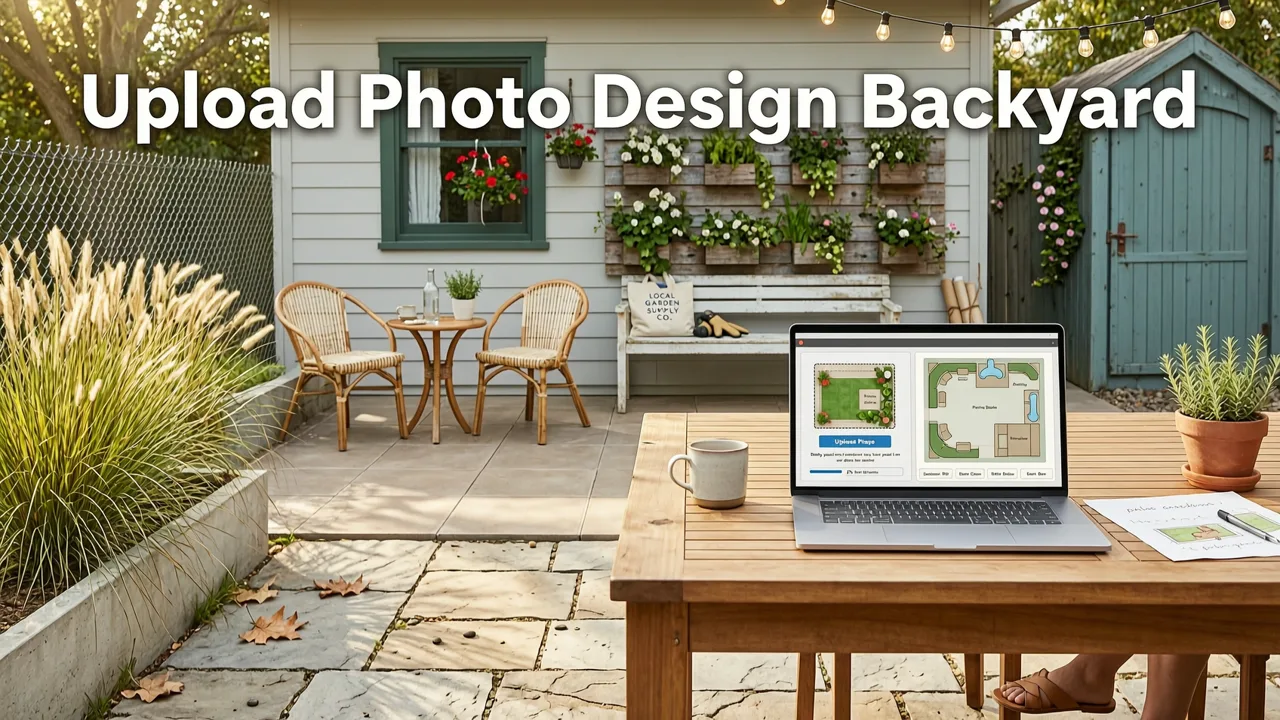
Staring at a blank, overgrown, or outdated yard makes it notoriously difficult to visualize the final result. If you want to upload photo to design backyard layouts instantly, AI-driven landscape tools bridge the gap between imagination and execution. By analyzing your existing space, these platforms generate realistic, style-specific renderings that help you plan plant placements, hardscaping, and outdoor living areas before committing to physical work.
The process is straightforward: you capture a clear image of your current space, select a design aesthetic, and let multimodal artificial intelligence map out a cohesive landscape concept. This approach eliminates the guesswork that traditionally leads to costly planting errors and poorly scaled patios. Whether you are planning a complete overhaul or a simple weekend refresh, visualizing your space digitally ensures every element serves a purpose.
The Core Benefits of AI-Generated Landscape Concepts

Traditional landscape design often requires hiring a professional, waiting weeks for initial sketches, and paying premium fees for revisions. A digital landscaping tool changes this dynamic by putting immediate visual power into the hands of the homeowner. The advantages extend far beyond simple convenience.
Landscape Design Software Free Upload Photo
by Design Exterior
- Immediate Visual Feedback: Instead of relying on abstract mood boards, you see exactly how a specific plant palette or hardscape material looks against your actual fence line and house exterior.
- Cost Efficiency: By identifying design flaws digitally, you avoid purchasing the wrong plants, ordering incorrect hardscape materials, or hiring contractors to undo poorly planned layouts.
- Stakeholder Alignment: A virtual garden visualizer provides a concrete reference point, making it easier to align your vision with family members or contractors.
- Style Experimentation: You can rapidly toggle between a modern minimalist aesthetic, a lush cottage garden, or a drought-tolerant xeriscape without altering your physical property.
Step-by-Step Guide to Digital Backyard Planning
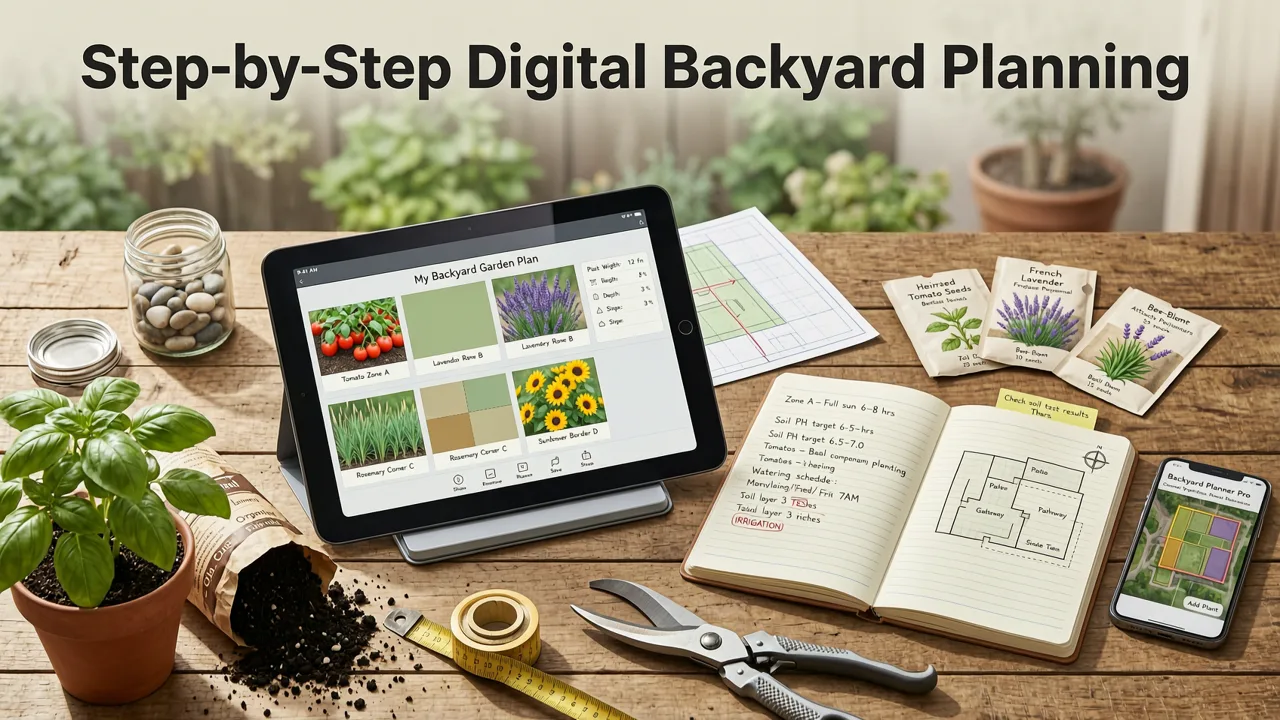
Executing a successful backyard makeover planner workflow requires attention to detail at every stage. The quality of the AI output is directly tied to the quality of the input and the clarity of your design parameters.
Step 1: Capture the Right Reference Image
The foundation of any AI landscape design is a high-quality source photograph. Shoot during the day when natural light is even, avoiding harsh midday shadows that can confuse depth-mapping algorithms. Capture the space from multiple angles, ensuring the camera is held level. Include key fixed elements like the house exterior, existing fences, large trees, and patio edges. These anchor points help the AI understand the spatial boundaries and architectural context of your yard.
Step 2: Select Your Landscape Style
Once your image is processed, the next critical step is defining the aesthetic direction. AI platforms categorize designs into distinct styles, each with specific plant palettes and hardscape materials. For example, a Mediterranean style will generate terracotta elements, lavender, and olive trees, while a contemporary design will favor clean concrete pavers, ornamental grasses, and geometric planting beds. Choosing the right style ensures the generated layout respects the architectural integrity of your home.
Step 3: Generate and Refine the Layout
After selecting your parameters, the system generates the initial concept. Review the output critically. Does the scale of the proposed furniture feel right for the patio? Are the canopy trees positioned where they will provide actual shade? Most advanced platforms allow you to iterate on the design, tweaking specific zones or regenerating individual elements until the layout perfectly matches your functional needs and aesthetic preferences.
Traditional Design Fees vs. AI Backyard Planners
Understanding the shift from traditional methods to AI-assisted planning highlights why this technology has become the standard for modern outdoor living space planning. The following comparison outlines the practical differences.
| Feature | Traditional Landscape Architect | AI Backyard Planner |
|---|---|---|
| Initial Concept Time | 2 to 4 weeks | Under 60 seconds |
| Cost of Initial Design | $500 - $2,000+ | Free to low-cost subscription |
| Revision Process | Scheduled meetings, additional fees | Instant, unlimited iterations |
| Visual Realism | 2D CAD drawings or basic 3D renders | Photorealistic overlays on actual property photos |
| Accessibility | Requires local availability and consultation | Accessible globally via web browser |
Mitigating Planting and Layout Errors
The most expensive mistakes in landscaping occur when plants are placed without considering their mature size, sunlight requirements, or root systems. When you upload photo to design backyard layouts, the AI provides a crucial scale reference that prevents these errors. According to foundational documentation on multimodal vision models (OpenAI), AI systems analyze pixel gradients and perspective lines to understand spatial depth, ensuring that generated elements anchor realistically to the physical space rather than floating above it.
This spatial awareness is vital for avoiding the common pitfalls detailed in our guide on how to avoid planting mistakes before you dig. For instance, seeing a rendered Japanese maple in your actual yard might reveal that it will block a critical window view at maturity, prompting you to relocate it to a side border before you spend money on the nursery stock.
Furthermore, visualizing the before and after garden design allows you to assess hardscape proportions. A patio that looks massive on a blank piece of paper might feel cramped when overlaid on your actual property lines, allowing you to adjust the dimensions before pouring concrete.
Expanding Your Vision: Patios, Front Yards, and Balconies
While the backyard is often the primary focus of a landscape overhaul, the principles of AI-generated design apply equally to other outdoor zones. If your project includes an outdoor entertaining area, exploring patio layout ideas from photo helps you optimize traffic flow, furniture placement, and lighting integration.
Curb appeal is equally important. By applying the same photographic upload process to the front of your home, you can generate front yard landscape ideas that complement your architecture while meeting neighborhood aesthetic standards. Even renters with limited square footage can utilize these tools to plan balcony container gardens, ensuring that vertical space is utilized effectively without overcrowding the area.
Finalizing Your Backyard Masterplan
Transitioning from a digital concept to a physical reality requires a structured approach. Once you have finalized your AI-generated layout, use the renderings as a definitive blueprint. Break the project into phases: hardscaping first, followed by soil preparation, then the installation of large structural plants, and finally the addition of perennials, mulch, and decorative elements.
By leveraging AI to visualize the end result, you transform the daunting task of landscaping into a confident, calculated process. You eliminate the imagination gap, protect your budget from costly errors, and ensure that every square foot of your outdoor space is utilized to its fullest potential. Ready to see your yard's true potential? Use the AI Garden platform to transform your photos into actionable, beautiful landscape designs today.


