

How to Avoid Planting Mistakes Before You Dig in 2026
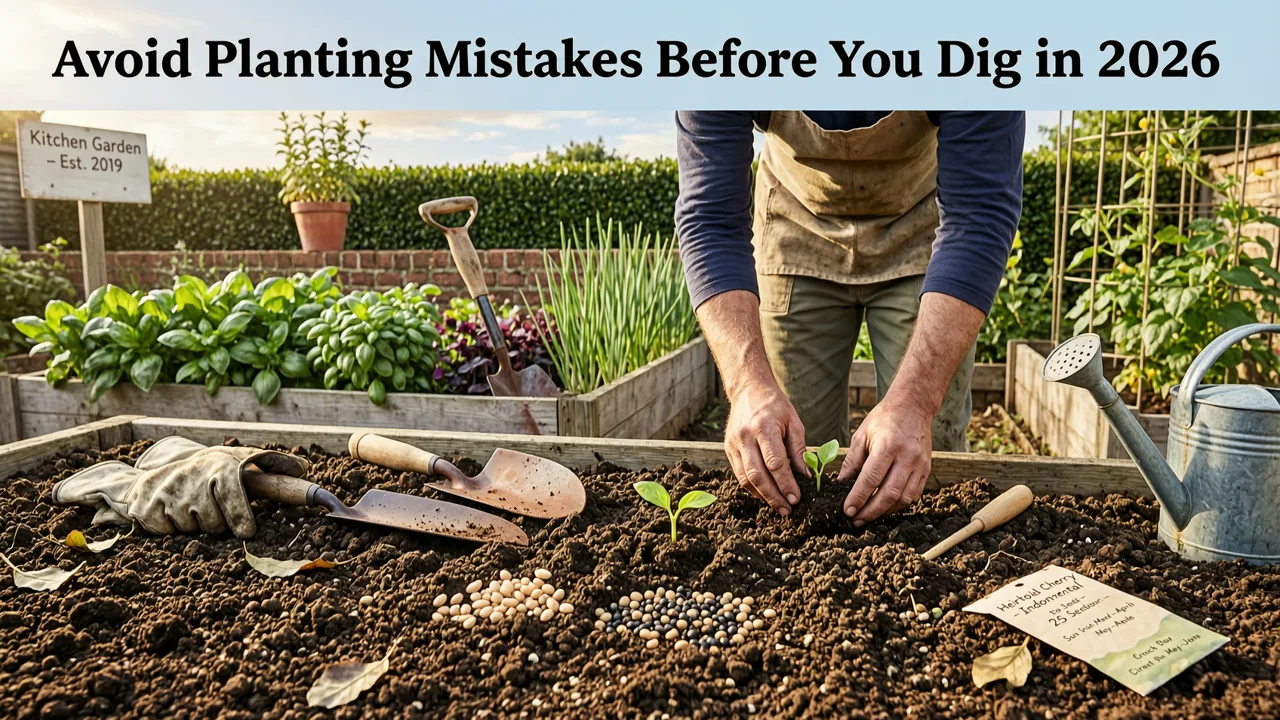
If you've ever buried a row of hydrangeas in full afternoon sun, only to watch them scorch by July, you already know the cost of guessing. The fastest way to avoid planting mistakes in 2026 is to preview your design on a photo of your actual yard before you buy a single plant or hire a landscaper.
AI-powered garden design tools now let homeowners upload a photo, pick a style, and generate realistic plant layouts in minutes. This visual-first workflow replaces expensive trial-and-error with informed decisions, saving cash, time, and back-breaking replanting.
Below is a complete, step-by-step guide to planning a landscape that looks right, grows well, and lasts — grounded in the same workflow professional designers use, but accessible to any homeowner with a smartphone.
9 Beginner Gardening Mistakes to Avoid 😱 ❌
by Epic Gardening
Why Planting Mistakes Still Happen in 2026
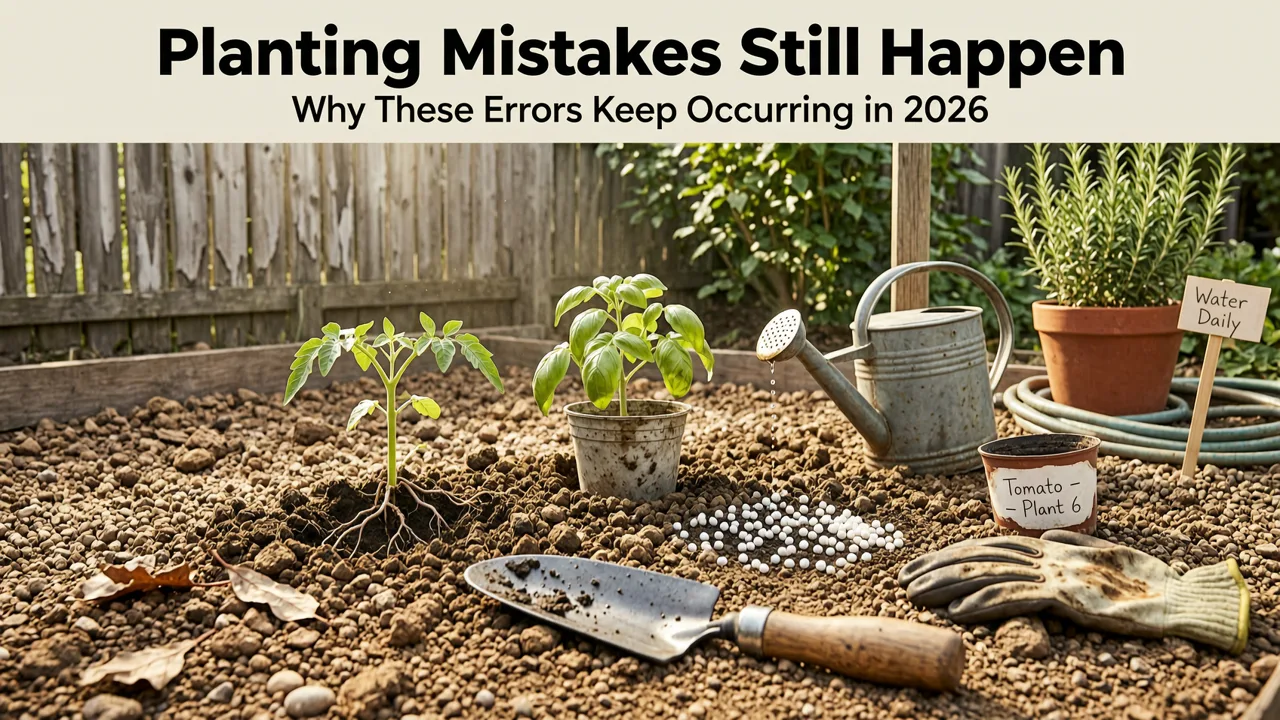
Even with decades of gardening information online, homeowners keep making the same avoidable errors. The reasons are predictable and preventable.
The Imagination Gap
A nursery tag shows a mature shrub at six feet wide. Your empty flower bed looks like it could hold four of them. It can't. Without a realistic visual preview, most people under-estimate mature spread by 40 to 60 percent, leading to overcrowding within two seasons.
The Microclimate Blind Spot
A south-facing wall radiates heat well into autumn. A low spot collects frost earlier in spring. These microclimates determine which plants thrive and which fail — yet most planting plans ignore them entirely.
The Cost of Reversal
Moving a mature perennial is stressful for the plant and expensive for the gardener. Shrubs and small trees that are planted too close to a foundation or too deep in shade become removal projects within a few years. Prevention is dramatically cheaper than correction.
The 2026 Workflow to Avoid Planting Mistakes
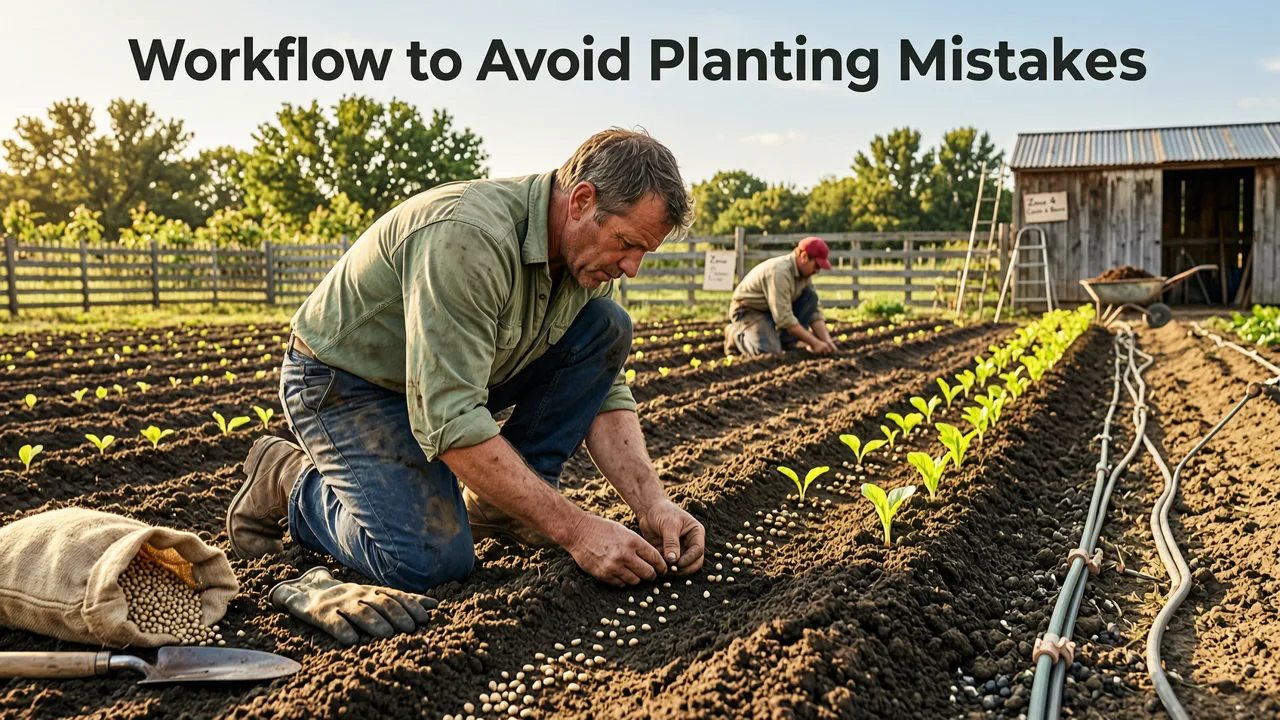
Modern landscape planning follows a simple, repeatable sequence. Each step removes a specific category of error.
Step 1: Capture a True-to-Scale Photo of Your Space
Stand at the primary viewing angle — usually from the back door, the patio, or the sidewalk. Shoot during even, overcast light so shadows don't distort proportions. Include fixed reference points like fences, walls, and existing trees. This photo becomes the canvas for every design decision that follows.
Step 2: Upload to an AI Garden Planner
Tools like AI Garden analyze your photo and generate multiple design concepts in the style you choose — cottage, modern, xeriscape, rain garden, and more. Because the AI works from your real space, you see exactly how plant sizes, colors, and hardscape elements relate to your existing structures.
Step 3: Compare Layouts Side by Side
Generate at least two or three variations. Place a dense, layered planting scheme next to a minimalist one. The comparison reveals which direction matches your maintenance tolerance, aesthetic preference, and site conditions — before any soil is turned.
Step 4: Validate Against Your Hardiness Zone and Sun Exposure
Once you've chosen a direction, cross-check each plant against your USDA hardiness zone and the light conditions in each part of the bed. This is where most planting mistakes are quietly prevented.
Common Planting Mistakes and How to Spot Them Early
Understanding the most frequent errors makes them easier to catch during the planning stage.
| Mistake | Consequence | How AI Preview Helps |
|---|---|---|
| Ignoring mature plant size | Overcrowding, poor air flow, disease | AI renders plants at realistic mature scale on your photo |
| Wrong sun/shade match | Leggy growth, leaf scorch, no blooms | Style presets respect typical light requirements per species |
| Planting too close to structures | Root damage, foundation moisture issues | Visual preview shows spacing relative to walls and paths |
| Ignoring drainage patterns | Root rot, soil erosion, plant death | Wet-site styles like rain gardens route water intentionally |
| Mixing incompatible water needs | Over- or under-watering groups | Hydro-zoning becomes visible when plants are grouped by style |
Using AI Previews to Eliminate Guesswork
The core advantage of photo-based AI design is that it collapses the gap between idea and execution. Here is how the workflow directly targets each common mistake.
Scale Becomes Visible
When a rendered shrub fills half your patio wall in the preview, you immediately know the real plant will overwhelm the space at maturity. You can swap in a smaller cultivar before ordering anything.
Color and Texture Harmony Is Testable
Clashing foliage tones and repetitive bloom colors are obvious in a side-by-side render. You can adjust the palette in seconds — something that costs hundreds of dollars once plants are in the ground.
Hardscape Integration Is Clear
Pathways, retaining walls, and seating areas can be previewed alongside planting beds. This prevents the classic error of designing beds and hardscape as separate projects that don't align spatially.
Zone and Climate Checks That Prevent Failure
A beautiful design that ignores your climate zone is a planting mistake waiting to happen. In 2026, zone maps have shifted enough that plants rated for zone 6 may now survive in areas previously considered zone 5 — and vice versa for heat tolerance.
Use these quick checks before finalizing any plant list:
- Confirm cold hardiness. Match each plant to your current USDA zone, not the zone you remember from ten years ago.
- Confirm heat tolerance. A plant rated for zone 8 may struggle in zone 10 summers even if it survives the winter.
- Check chill-hour requirements. Fruit trees and some flowering shrubs need a minimum number of winter chill hours to perform.
- Review rainfall and irrigation reality. A Mediterranean herb garden will fail in a humid subtropical climate without serious drainage amendments.
For wet or poorly drained sites, consider exploring how to design a rain garden from your yard photo — a strategy that turns a drainage problem into a design feature while choosing plants that actually thrive in those conditions.
Front Yard vs. Backyard: Different Spaces, Different Rules
Planting mistakes vary by location because the goals and constraints differ.
Front Yard Priorities
Curb appeal, sight lines from the street, and pedestrian scale dominate. Plants here must look good year-round from a distance and tolerate road salt, reflected heat from pavement, and occasional foot traffic. A well-planned front yard also frames the house rather than hiding it.
If you want a structured starting point, review front yard landscape ideas you can generate from a photo in 2026 to see how AI renders curb-facing designs that respect architectural style and setback rules.
Backyard Priorities
Privacy, usable space, and microclimate diversity matter more here. A backyard often contains shade from the house, sun near a south fence, and damp corners near downspouts. Each zone needs a different plant palette.
Balcony and Patio Containers
Container planting has its own failure modes: pots that are too small, soil that dries out in hours, and plants that outgrow their space in a single season. AI previews help you visualize container groupings and pot proportions before you buy.
A Practical Checklist to Avoid Planting Mistakes
Before you place any order or break ground, walk through this short list.
- Upload a clear, straight-on photo of the planting area to an AI garden planner.
- Generate at least two style options and compare them side by side.
- Verify every plant on your shortlist against your current hardiness zone.
- Confirm sun exposure for each bed section — morning sun, afternoon sun, dappled shade, or full shade.
- Check mature height and spread for every woody plant; allow that full spread in the layout.
- Group plants by water need to create efficient hydro-zones.
- Confirm root behavior near foundations, septic fields, and underground utilities.
- Preview seasonal interest — make sure something looks good in every quarter.
- Revisit the AI render one more time before purchasing to catch anything that feels off.
When to Bring in a Professional
AI previews handle the majority of residential planting decisions. However, certain situations warrant a licensed landscape architect or arborist:
- Large tree placement near structures or power lines.
- Steep slopes requiring engineered retaining walls.
- Properties with protected native habitat or municipal tree bylaws.
- Irrigation systems that intersect with septic or well infrastructure.
Even in these cases, arriving at the consultation with AI-generated concepts saves time and keeps the conversation focused on your actual preferences.
The Bottom Line
Planting mistakes are almost always planning mistakes. In 2026, the tools to plan well are faster, cheaper, and more accurate than ever. Upload a photo, preview realistic designs, validate against your zone and site conditions, and compare options before you spend a dollar on plants or labor.
The gardeners who avoid planting mistakes aren't the ones with the greenest thumbs — they're the ones who visualize before they dig. Start with your own yard photo and let the design prove itself before the first shovel hits the soil.


