

Japanese Garden Design AI: Your Backyard Photo, Reimagined as a Zen Retreat
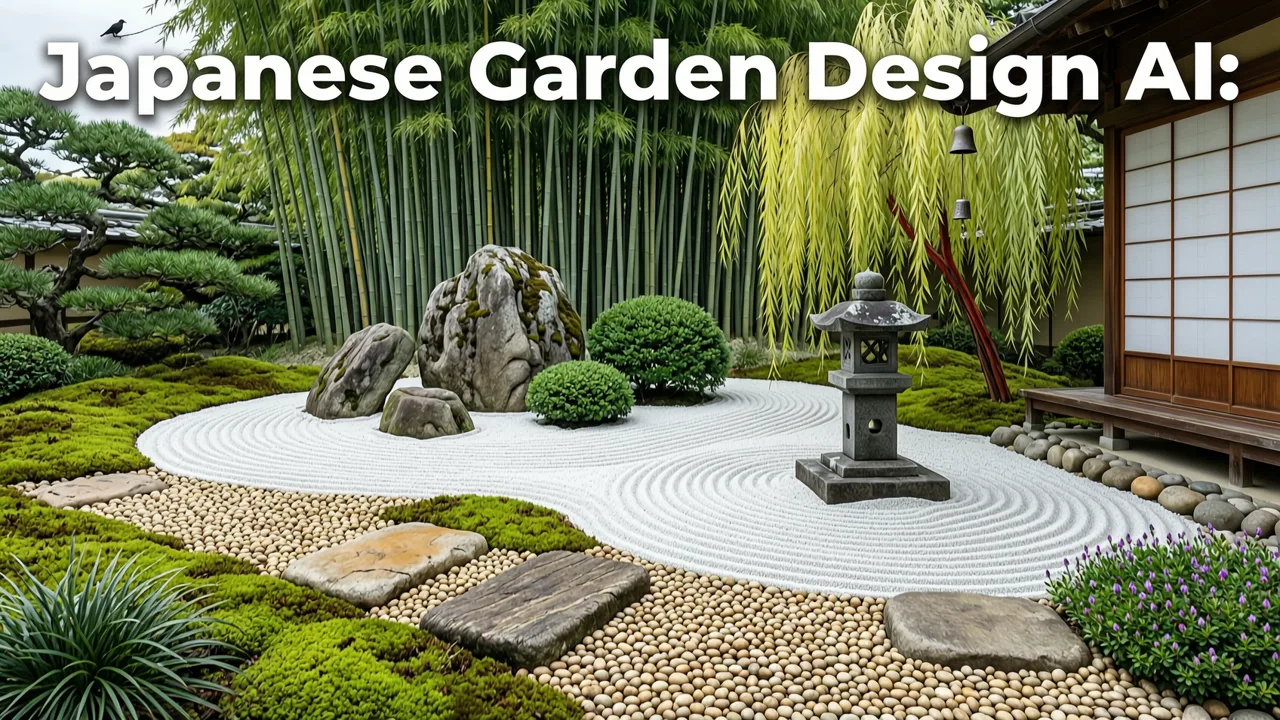
If you've been dreaming of a tranquil Japanese garden but can't tell a karesansui dry landscape from a roji tea garden, you're not alone — and you no longer need a landscape architect on retainer to find out. In 2026, japanese garden design ai tools can analyze a photo of your actual yard and generate realistic, plant-accurate concepts that honor traditional principles like wabi-sabi, asymmetry, and layered sightlines — all before you buy a single azalea.
This guide explains how AI-powered Japanese garden design works, which design elements the best models understand, and how to use the output to plan a backyard that feels authentic rather than costume-y. If you want to skip straight to testing your own photo, you can also explore how to design a backyard from a photo using AI in 2026.
What Japanese Garden Design AI Actually Does
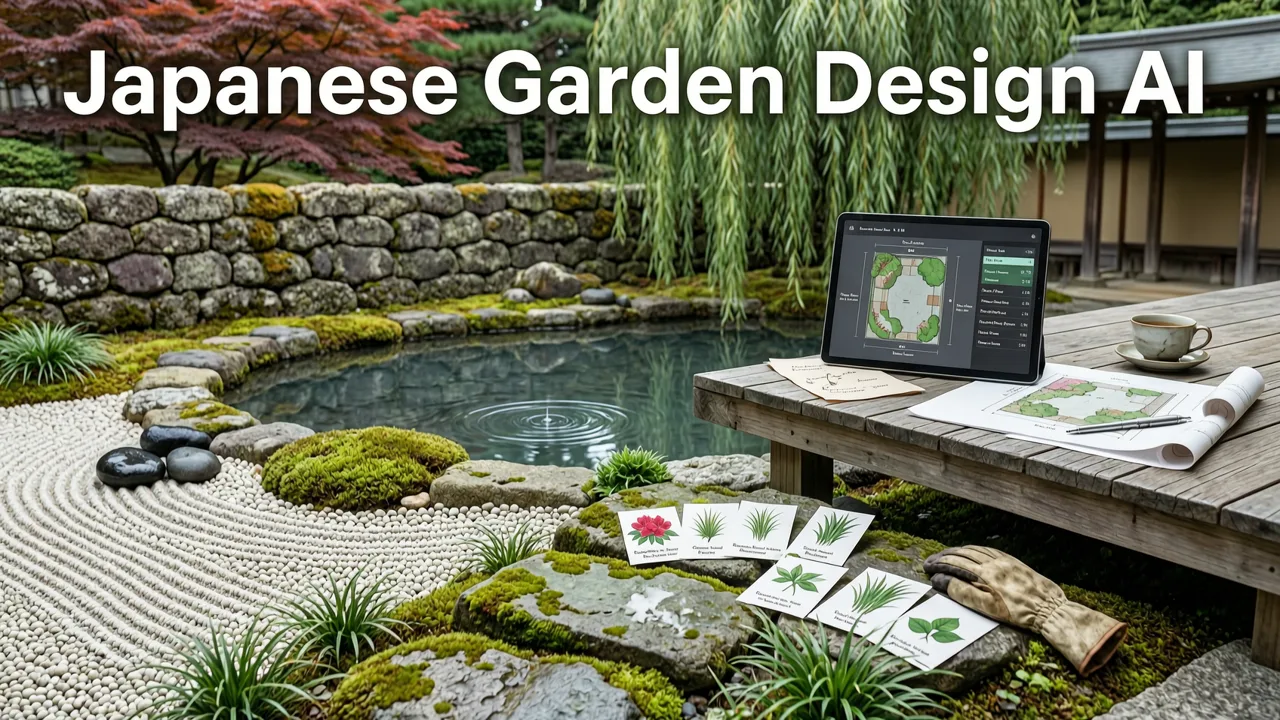
At its core, japanese garden design ai is a vision-to-vision model trained on thousands of reference gardens — from the raked gravel of Ryoan-ji to the moss carpets of Saiho-ji — combined with horticultural data about which plants thrive in specific hardiness zones. You upload a photo of your yard, select a Japanese style (or describe one in plain English), and the system returns a realistic rendering that respects both aesthetics and plant biology.
Modern Japanese Garden Design Ideas Zen Landscaping Inspiration
by Build Wise
The key difference between 2026's AI tools and the novelty generators of a few years ago is spatial awareness. Modern models understand depth, existing structures, and light patterns, which means they won't plop a stone lantern in front of your garage door or suggest a weeping cherry where a maple would actually thrive.
Core Capabilities of Current Japanese Garden Design AI
- Style recognition: Distinguishes between Zen dry gardens, stroll gardens (kaiyu-shiki), courtyard tsuboniwa, and tea garden paths.
- Plant zoning: Matches species to your climate — Japanese maples for zones 5–8, black pines for coastal regions, moss alternatives for arid areas.
- Hardscape placement: Positions stepping stones, water basins (tsukubai), and lanterns according to traditional sightline rules.
- Seasonal preview: Shows how the garden will look in spring bloom, autumn color, and winter structure.
The 6 Defining Elements of a Japanese Garden (and How AI Handles Them)
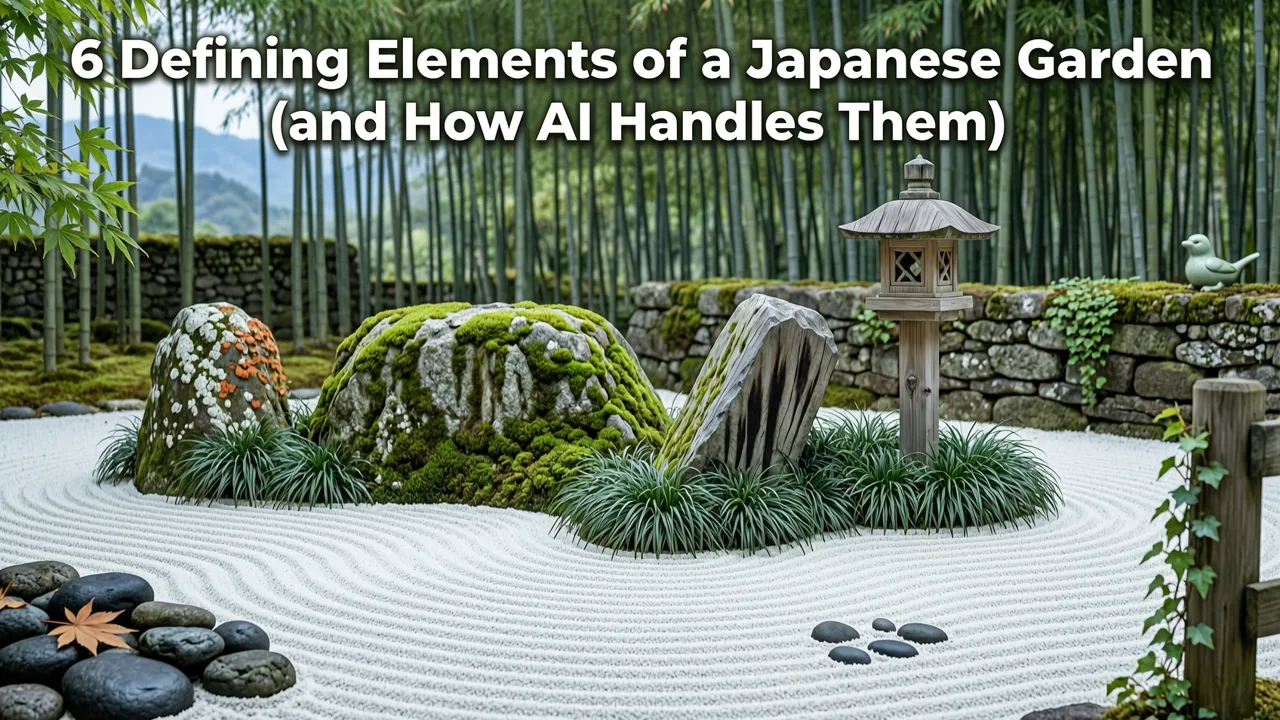
A truly Japanese garden is not just 'a yard with a maple tree and some rocks.' It follows centuries of design logic. Here's how AI models in 2026 handle each foundational element:
| Element | Traditional Role | How AI Interprets It |
|---|---|---|
| Water (mizu) | Symbolizes flow and renewal; can be real or represented by gravel | AI suggests pond placement based on low spots in your terrain, or raked gravel patterns for dry gardens |
| Stone (ishi) | Provides structure, permanence, and mountain symbolism | Model sizes and groups stones by proportion rules (e.g., tall vertical stone as 'heaven') |
| Plants (shokobutsu) | Layered greens, seasonal accent, controlled asymmetry | Recommends zone-appropriate maples, pines, azaleas, moss, and ferns with mature-size accuracy |
| Ornaments (tenoke-butsu) | Lanterns, basins, and bridges as focal points | Places tsukubai near entry paths and lanterns at turning points in stroll gardens |
| Enclosure (kakoi) | Bamboo fences, hedges, and walls create intimacy | Generates yatsude-style hedging or bamboo screening along property lines |
| Borrowed scenery (shakkei) | Incorporates distant views into the garden's composition | Analyzes your photo's background and suggests framing through pruned tree canopies |
How to Use Japanese Garden Design AI: A Realistic 4-Step Process
The process is straightforward, but the quality of your output depends on the quality of your input. Here's how to get a plan you can actually build from.
Step 1: Photograph Your Space Correctly
Stand at the primary viewing angle — usually from your back door, patio, or a window overlooking the yard. Shoot in soft, even daylight (early morning or overcast is ideal). Avoid heavy shadows, and include the full width of the area. If you're designing a small courtyard or balcony, a straight-on shot from waist height works best.
Step 2: Upload and Select a Japanese Style
In the AI tool, upload your photo and choose from style options like 'Zen Dry Garden,' 'Stroll Garden,' 'Tea Garden Path,' or 'Modern Japanese Courtyard.' Some tools let you describe the mood in your own words — for example, 'quiet, mossy, with a small water feature and maple focal point.'
Step 3: Review the AI-Generated Concept
The model returns a realistic rendering overlaid on your actual space. Pay attention to:
- Whether plant suggestions match your USDA hardiness zone.
- Whether hardscape elements feel proportionate to your yard's scale.
- Whether the composition creates a clear focal point (a principle called shuyo).
Step 4: Compare, Refine, and Export
Generate two or three style variations and compare them side by side. Most 2026 tools let you export a plant list, a hardscape materials list, and a rough layout you can hand to a landscaper — or use as your own DIY roadmap. If you're also considering front yard curb appeal, you can explore 25 front yard landscape ideas for 2026 that include Japanese-inspired entries.
Japanese Garden Styles You Can Generate with AI
Not every Japanese garden looks the same. Here are the most common styles and the kind of yard each suits best.
Karesansui (Dry Landscape / Zen Garden)
Best for: small side yards, courtyards, and low-maintenance spaces. Raked gravel or sand represents water; carefully placed stone groups represent mountains or islands. AI excels here because the plant palette is minimal and the geometry is precise.
Kaiyu-shiki (Stroll Garden)
Best for: larger backyards with winding paths. Designed to reveal new views at every turn, with a pond, bridge, and layered plantings. AI can map a path through your existing yard and suggest where to open sightlines.
Tsuboniwa (Courtyard Garden)
Best for: narrow side passages, entryways, and small urban lots. A tsuboniwa packs maximum serenity into a tiny footprint — typically a stone basin, one specimen tree, moss, and a bamboo fence. If you're working with a patio, the free AI patio layout generator can help you visualize this style first.
Roji (Tea Garden)
Best for: homeowners who want a purposeful journey toward a destination. A roji uses stepping stones, a waiting bench, and a tsukubai basin to create a meditative approach. AI places each element along a logical sequence based on your yard's dimensions.
Modern Japanese (Shin-style)
Best for: contemporary homes where a fully traditional garden would feel out of place. Clean lines, a single specimen maple, minimal ornament, and gravel or concrete as ground cover. AI can blend traditional planting with modern hardscape for a result that feels current without losing the soul of the style.
Common Mistakes Japanese Garden Design AI Helps You Avoid
Even experienced gardeners fall into traps when attempting a Japanese-style yard. AI-generated previews catch these before they become expensive regrets.
Overcrowding Specimen Trees
A Japanese garden relies on negative space (ma). AI models trained on reference gardens will space your maples, pines, and cherries according to their mature canopy spread — something most plant tags don't communicate clearly.
Mixing Too Many Styles
A stone lantern next to a bright red plastic gnome breaks the atmosphere instantly. AI keeps ornament styles consistent with your chosen garden type, so your Zen garden stays Zen.
Ignoring Microclimate
Japanese maples scorch in full afternoon sun in hot climates. AI tools cross-reference your photo's light exposure with plant requirements and will suggest alternatives — like Loropetalum or dwarf conifers — when a classic choice won't survive.
Skipping the Enclosure
Without a hedge, fence, or bamboo screen, a Japanese garden feels exposed rather than intimate. AI automatically proposes enclosure elements along your property boundaries to complete the composition.
Why Japanese Garden Design AI Works Better Than Static Mood Boards
Pinterest boards and magazine clippings show other people's gardens in other climates, other scales, and other budgets. AI-generated concepts show your garden — your fence line, your patio edge, your existing tree — reimagined with Japanese principles. That specificity is what turns inspiration into a buildable plan.
According to responsible AI development guidance from Google's AI responsibility principles, the best design tools prioritize transparency about what the model can and cannot guarantee — including the fact that plant growth, soil conditions, and local regulations still require on-the-ground judgment. Use AI as your starting point, not your final authority.
What to Look for in a Japanese Garden Design AI Tool
Not all AI garden tools are created equal. When evaluating options in 2026, prioritize these features:
- Photo-based rendering: The tool should work from your actual yard photo, not a generic template.
- Plant accuracy: Species suggestions should match your hardiness zone and show mature sizes.
- Style fidelity: The AI should understand the difference between a karesansui and a roji, not just slap on 'Asian-looking' elements.
- Multi-style comparison: You should be able to generate and compare several design directions from the same photo.
- Exportable output: A plant list, materials list, or layout sketch you can share with a contractor or use for DIY purchasing.
FAQ: Japanese Garden Design AI
Below are the questions homeowners ask most often before using AI for Japanese garden planning.
Can AI design a Japanese garden for a very small yard?
Yes. In fact, AI excels at small-space Japanese design because styles like tsuboniwa and karesansui are inherently compact. The model will work within your exact dimensions and avoid overcrowding.
Does the AI know which plants grow in my climate?
Modern tools cross-reference your location (or USDA zone) with plant databases. If a traditional choice like Japanese maple isn't suited to your area, the AI will suggest a climate-appropriate alternative with similar visual character.
Can I use the AI output to guide a real landscaper?
Absolutely. Most homeowners export the rendered plan and plant list, then share it with a landscape contractor as a clear visual brief. This reduces miscommunication and keeps the project aligned with your vision.
How accurate are the AI renderings compared to the finished garden?
Renderings are highly realistic for layout, proportion, and plant placement. Keep in mind that plants grow over time — the AI shows a mature or semi-mature view, so your garden will look leaner in year one and fill in by year three.
Is japanese garden design ai suitable for renters?
Yes. Many AI tools let you design container-based Japanese gardens for patios and balconies. You can visualize a tsuboniwa-style arrangement with potted maples, moss trays, and a small basin before purchasing anything.
Start Designing Your Japanese Garden Today
A Japanese garden is one of the most rewarding landscape projects a homeowner can undertake — but only if the design respects the tradition behind it. With japanese garden design ai, you can explore authentic Zen, stroll, tea, and courtyard styles against a photo of your own yard, compare multiple directions, and walk into your first nursery visit with a clear, plant-accurate plan.
Upload your photo, choose a style, and see your backyard transformed into a serene retreat — before you spend a dollar on stone, soil, or seedlings.


