

Why Learning How to Visualize Garden Plans Is Essential in 2026
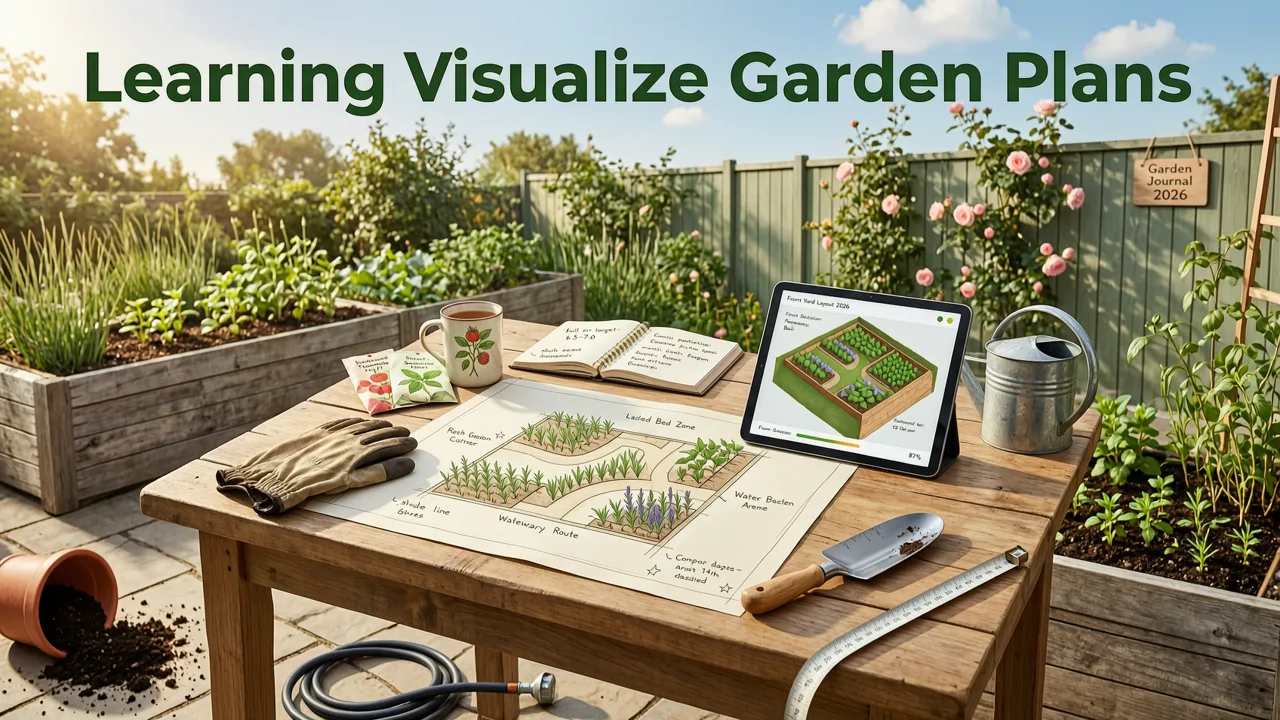
If you have ever stared at a blank yard or an overgrown patio, struggling to imagine the final result, you know the frustration of traditional planning. Learning how to visualize garden plans effectively is the most critical step in any landscaping project. In 2026, artificial intelligence has transformed this process, allowing homeowners to upload a simple photograph and instantly generate photorealistic design concepts. This guide explains exactly how to visualize garden plans using modern AI tools, ensuring you avoid costly planting mistakes and achieve a cohesive outdoor space before breaking ground.
The days of relying solely on abstract 2D sketches or expensive, time-consuming 3D renderings are behind us. Modern digital landscaping tools leverage advanced spatial computing to understand the unique geometry of your specific yard. By bridging the gap between imagination and execution, AI-driven visualization empowers both novice gardeners and experienced landscapers to make confident, data-backed decisions.
Traditional vs. AI-Powered Visualization Methods

Understanding the shift in landscape design technology requires comparing older methodologies with current AI capabilities. The table below outlines the primary differences in setup, realism, and accuracy.
Design Principles: How I Lay Out Any Vegetable Garden (Plus a Case Study!)
by Well Grounded Gardens
| Feature | Traditional 2D Sketching | Basic 3D Software | AI-Powered Photo Visualization |
|---|---|---|---|
| Setup Time | Hours to days | Days to weeks | Seconds to minutes |
| Visual Realism | Low (abstract shapes) | Medium (generic textures) | High (photorealistic, site-specific) |
| Spatial Accuracy | Requires manual scaling | Requires manual 3D modeling | Automated depth-aware mapping |
| Plant Selection | Generic symbols | Basic library of 3D models | Context-aware, climate-specific flora |
| Cost Barrier | Low (paper and pencil) | High (software licenses and training) | Low (freemium web applications) |
As demonstrated, AI-powered visualization removes the steep learning curve and financial barriers associated with professional design software, making high-end planning accessible to every homeowner.
Step-by-Step Guide: How to Visualize Garden Plans with AI

Executing a successful digital yard makeover requires a systematic approach. Follow these steps to transition from a rough outdoor space to a fully realized landscape concept.
1. Capture a High-Quality Base Photo
The foundation of any AI-generated design is the source image. Stand at the primary vantage point of your yard—such as the back door looking out, or the driveway looking in. Ensure the lighting is even, ideally during the golden hours of early morning or late afternoon, to avoid harsh shadows that can confuse spatial mapping algorithms. Capture the existing boundaries, fences, and large permanent structures clearly.
2. Select Your Desired Landscape Style
Before generating concepts, define the aesthetic direction. Whether you prefer a minimalist modern xeriscape, a lush cottage garden, or a structured formal layout, the AI needs a clear stylistic prompt. For regional inspiration, exploring specific Southern backyard design ideas for 2026 can help you understand how to balance aesthetic preferences with local climate realities and heat-tolerant flora.
3. Generate and Refine Photorealistic Concepts
Upload your photo to an AI garden planner and apply your chosen style. The system will analyze the depth, lighting, and existing structures to overlay new plant layouts and hardscaping elements. Review the initial outputs and use refinement tools to adjust plant density, swap out specific species, or alter the placement of focal points until the design aligns perfectly with your vision.
Key Features to Look for in a Digital Landscaping Tool
Not all visualization platforms are built equally. When evaluating software to help you plan, prioritize tools that offer the following technical capabilities.
Depth-Aware Scene Reconstruction
The most advanced platforms utilize sophisticated depth estimation models to understand the physical space within your photograph. According to OpenAI documentation on spatial computing and vision models, modern AI can differentiate between foreground elements, midground planting beds, and background structures. This ensures that a newly visualized tree is placed correctly in the soil plane, rather than awkwardly floating in front of a fence or clipping through a patio wall.
Climate-Ready Flora Selection
A beautiful design is useless if the plants cannot survive in your environment. Leading AI tools integrate ecological databases to recommend flora suited to your specific hardiness zone. In alignment with Google AI guidance on responsible technology use, ethical design platforms prioritize sustainable, non-invasive species that support local ecosystems. This is particularly crucial when planning high-visibility areas; utilizing front yard landscape ideas with AI ensures that your curb appeal makeover relies on thriving, climate-appropriate plants rather than purely decorative but unsuitable species.
Integrating Hardscaping and Structural Elements
Landscaping is not solely about vegetation; hardscaping defines the functional flow of an outdoor space. When learning how to visualize garden plans, it is vital to test the placement of patios, walkways, and retaining walls. AI tools can simulate different paving materials, such as natural flagstone, permeable pavers, or poured concrete, directly onto your existing slab or lawn. If you are specifically focused on outdoor entertaining areas, reviewing guides on how to design a patio with your own photo will demonstrate how AI can seamlessly blend new structural elements with your current architectural footprint.
Common Mistakes to Avoid When Planning Your Yard Makeover
Even with advanced technology, human error can compromise a landscape project. Avoid these frequent pitfalls:
- Ignoring Mature Plant Sizes: AI tools often show plants at their current nursery size. Always account for the mature spread and height of trees and shrubs to prevent overcrowding.
- Neglecting Sun and Shade Patterns: A photorealistic image might look stunning, but placing a shade-loving fern in a south-facing, full-sun bed will result in failure. Cross-reference visual plans with your yard's actual light exposure.
- Overlooking Maintenance Access: Ensure your design leaves adequate space for mowing, pruning, and seasonal cleanup. Dense, intricate planting beds can become unmanageable without clear pathways.
- Forgetting Underground Utilities: Before finalizing any plan that includes digging or planting large specimens, verify the location of irrigation lines, gas pipes, and electrical conduits.
Conclusion and Next Steps
Mastering how to visualize garden plans is the ultimate safeguard against expensive landscaping regrets. By leveraging AI-powered photo visualization, you can iterate through dozens of design concepts in minutes, ensuring every plant and paver serves a purpose. The transition from a blank canvas to a thriving outdoor oasis begins with a single, well-planned image. Upload your yard photo to an AI garden design tool today, explore your stylistic options, and build a landscape that is as functional as it is beautiful.


