

How the Balcony Garden Planner Tool Works in 2026
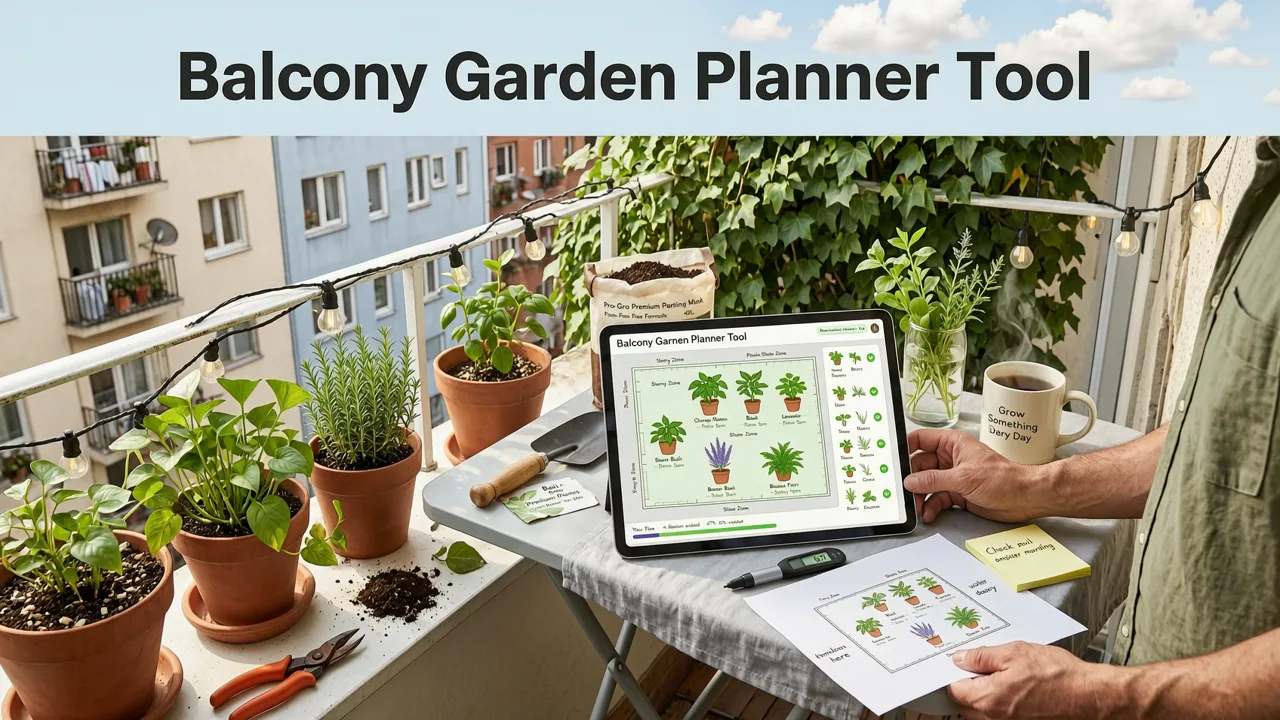
If you have a blank concrete slab or a cramped railing and no idea where to start, a balcony garden planner tool gives you instant, realistic design concepts directly from your own photos. By uploading a picture of your space, you can visualize plant layouts, seating arrangements, and vertical gardens before spending a single dollar on soil or pots. This approach eliminates the guesswork, allowing you to compare different aesthetic directions and make confident purchasing decisions for your 2026 outdoor makeover.
Modern AI vision models, built on frameworks detailed in the OpenAI documentation, analyze spatial geometry to understand the unique constraints of elevated outdoor spaces. Unlike older 2D filter apps that simply overlay generic images, today's AI landscape visualization engines perform depth-aware scene reconstruction. They identify the floor plane, the railing boundaries, and the overhead clearance, ensuring that every suggested planter, trellis, or chair fits perfectly within your actual physical dimensions.
Overcoming the Imagination Gap in Small Spaces
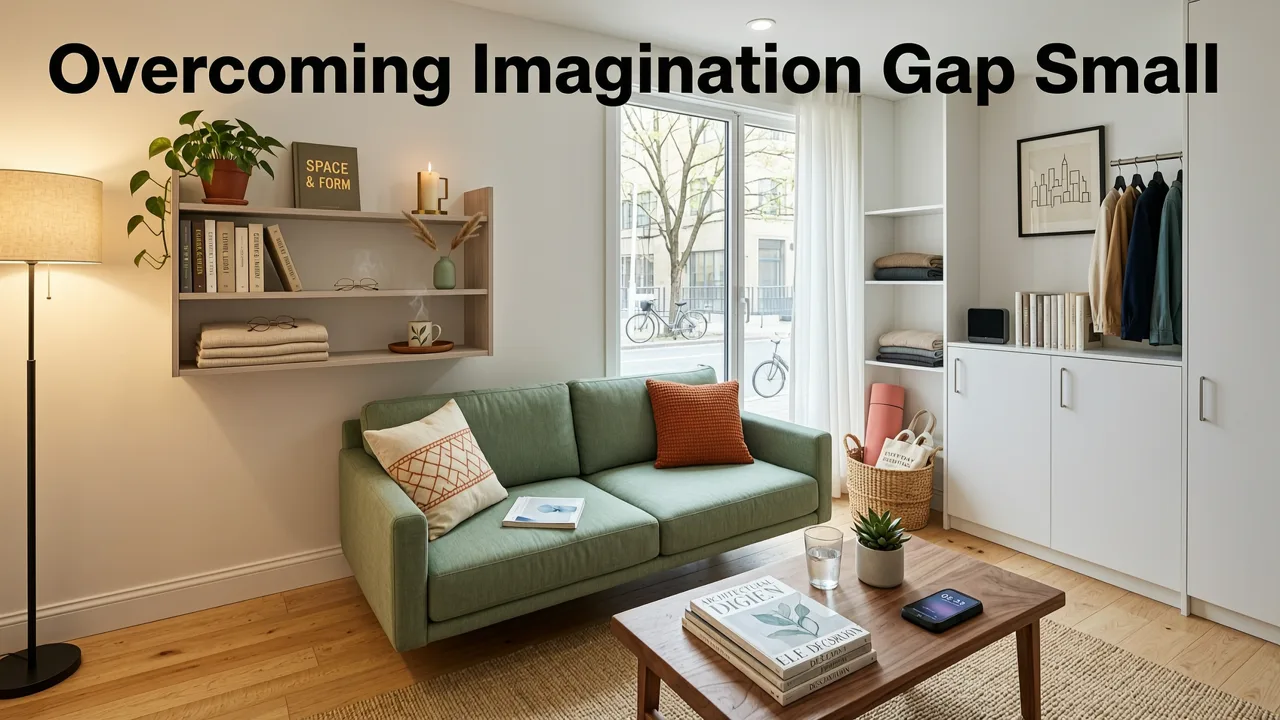
Staring at an empty balcony often leads to decision paralysis. The imagination gap occurs when you cannot mentally translate a bare concrete space into a lush, functional retreat. This is where a dedicated balcony garden planner tool bridges the divide between abstract ideas and actionable reality.
Getting started with Garden Planner
by gardendesignerapp
Understanding Balcony Microclimates
Balconies present unique environmental challenges that ground-level gardens do not. Wind exposure is significantly higher on upper floors, and overhead structures can create deep shade even in the middle of the day. If you ignore these factors, you risk buying expensive plants that fail to thrive. Learning How to Avoid Planting Mistakes Before You Dig in 2026 is critical, and AI-generated layouts help you preemptively address these microclimates by suggesting wind-resistant species for exposed railings and shade-tolerant foliage for covered corners.
Weight and Structural Considerations
Soil and water are heavy. A large terracotta pot filled with wet earth can exceed the weight capacity of a residential balcony. The planner tool helps you visualize lightweight alternatives, such as advanced polymer containers, vertical garden design systems, and modular raised beds that distribute weight evenly across the floor slab.
Step-by-Step Guide to Generating Your Design

Using AI to redesign your outdoor space is a straightforward process, but the quality of your output depends heavily on the quality of your input. Follow these steps to get the most accurate container gardening layouts.
- Capture a Clear Reference Photo: Stand in the furthest corner of your balcony. Ensure the lighting is even, avoiding harsh midday shadows that can confuse the AI's depth sensors. Include the railings, the floor, and any adjacent walls.
- Upload and Define Your Parameters: Import the image into the balcony garden planner tool. You can optionally mask out areas you want to keep, such as an existing air conditioning unit or a built-in grill.
- Select Your Aesthetic Style: Choose from curated design profiles. Whether you want a minimalist Zen retreat, a lush Mediterranean oasis, or a modern urban jungle, the AI will adapt the plant palettes and hardscape materials to match your vision.
- Generate, Compare, and Refine: Review the generated concepts. You can iterate on specific elements, swapping out a wooden pergola for a metal trellis, or changing the color scheme of your outdoor furniture.
Capturing the Perfect Reference Photo
The AI relies on visual cues to understand your space. If your photo is blurry or taken from an extreme angle, the spatial geometry will be distorted. Take multiple photos from slightly different angles if your balcony is L-shaped or unusually narrow. This gives the algorithm a comprehensive understanding of your square footage.
Traditional Landscaping vs. AI-Generated Concepts
Deciding how to approach your balcony makeover requires weighing your time, budget, and design confidence. Below is a direct comparison of hiring a traditional designer versus using an AI balcony garden planner tool.
| Feature | Traditional Landscape Designer | AI Balcony Garden Planner Tool |
|---|---|---|
| Initial Cost | High (Consultation and drafting fees) | Low (Freemium or low-cost subscription) |
| Turnaround Time | 1 to 3 weeks | Under 60 seconds |
| Number of Revisions | Limited by contract | Unlimited instant generations |
| Visualization Quality | 2D CAD drawings or basic 3D renders | Photorealistic, lighting-aware overlays |
| Best For | Complex structural changes and large estates | Renters, DIYers, and rapid concept testing |
The fastest way to avoid costly planting mistakes is to see the final arrangement before you buy a single bag of potting soil. AI visualization turns abstract catalogs into concrete reality.
Scaling Your Vision: From Balcony to Full Property
While a balcony garden planner tool is specifically optimized for the constraints of elevated, small-space landscaping, the underlying technology is equally powerful for larger properties. Once you have perfected your balcony, you might look down at your ground-level patio and realize it needs an upgrade too.
Expanding to Patios and Backyards
If you are ready to tackle ground-level spaces, you can apply the same photo-to-design workflow. Exploring Patio Layout Ideas from Photo allows you to test different paver patterns, fire pit placements, and outdoor kitchen configurations. The AI understands the difference between a concrete balcony slab and a grassy backyard, adjusting its suggestions for soil-based planting versus container-only arrangements.
For those looking to overhaul their entire property, seeing Backyard Landscape Ideas Before and After through AI-generated concepts provides a massive confidence boost. You can visualize how the planting beds on your balcony will visually connect with the tree lines in your backyard, creating a cohesive aesthetic across your entire home.
Enhancing Curb Appeal
Do not forget the front of the house. A well-designed entryway sets the tone for your entire property. By using tools that generate Front Yard Landscape Ideas, you can experiment with pathway lighting, foundation plantings, and seasonal color rotations without ever picking up a shovel.
Designing Responsibly with AI
As artificial intelligence becomes deeply integrated into home improvement, it is important to use these tools ethically and effectively. Adhering to principles outlined in Google AI guidance ensures that these platforms remain transparent, user-centric, and focused on augmenting human creativity rather than replacing it.
The AI is a powerful brainstorming partner, but you are the final decision-maker. Always verify plant hardiness zones, check your local municipal codes regarding balcony weight limits, and ensure that any structural additions, like heavy pergolas, are safely anchored. The tool provides the vision; your diligence ensures the execution is safe and successful.
Conclusion: Start Your 2026 Outdoor Transformation
Transforming a barren balcony into a thriving personal oasis no longer requires a massive budget or a degree in landscape architecture. A balcony garden planner tool empowers you to experiment freely, visualize realistic outcomes, and purchase with absolute certainty. Upload your photo today, explore the endless design possibilities, and turn your small outdoor space into the highlight of your home.
Related resources
- Backyard Landscape Ideas Before and After: 2026 Visual Guide
- How to Avoid Planting Mistakes Before You Dig in 2026
- Patio Layout Ideas from Photo — Try AI Design Free in 2026
- OpenAI documentation
- Google AI guidance


