

Why AI Backyard Design from Photo Is the Ultimate Starting Point
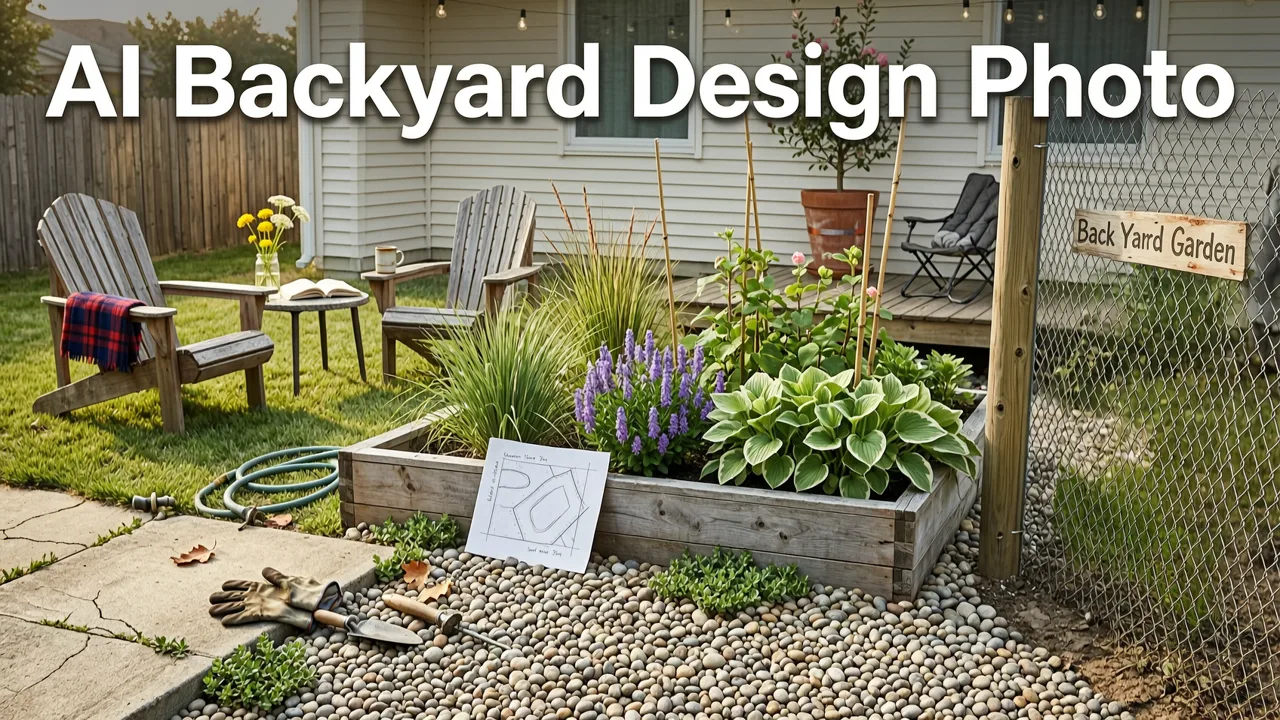
Staring at a barren patch of grass or a cramped concrete patio and struggling to imagine its potential is a frustrating experience for any homeowner. The modern solution is ai backyard design from photo technology, which allows you to upload a single image of your outdoor space and instantly generate realistic, fully rendered landscape concepts. By bridging the gap between imagination and execution, these tools help you visualize plant layouts, hardscape features, and seating areas in seconds, eliminating costly guesswork before you break ground.
In 2026, the landscape design industry has undergone a massive shift. Homeowners no longer need to rely exclusively on expensive initial consultations with landscape architects just to test a concept. Traditional computer-aided design (CAD) requires specialized training and hours of manual drafting. Conversely, AI-driven visualization democratizes the design process, giving anyone the power to iterate through multiple outdoor space planning scenarios in an afternoon.
This technology is particularly valuable for preventing costly planting mistakes. Buying mature shrubs, installing custom pergolas, or pouring new concrete are irreversible investments. By leveraging an AI landscape generator, you can compare different design directions, evaluate how a specific style complements your home’s architecture, and finalize a blueprint you are confident in before spending a single dollar on materials.
AI Garden Design Tools Are Everywhere—But Are They Any Good For Sustainable Landscaping?
by Plants in Progress
How AI Backyard Design from Photo Technology Works
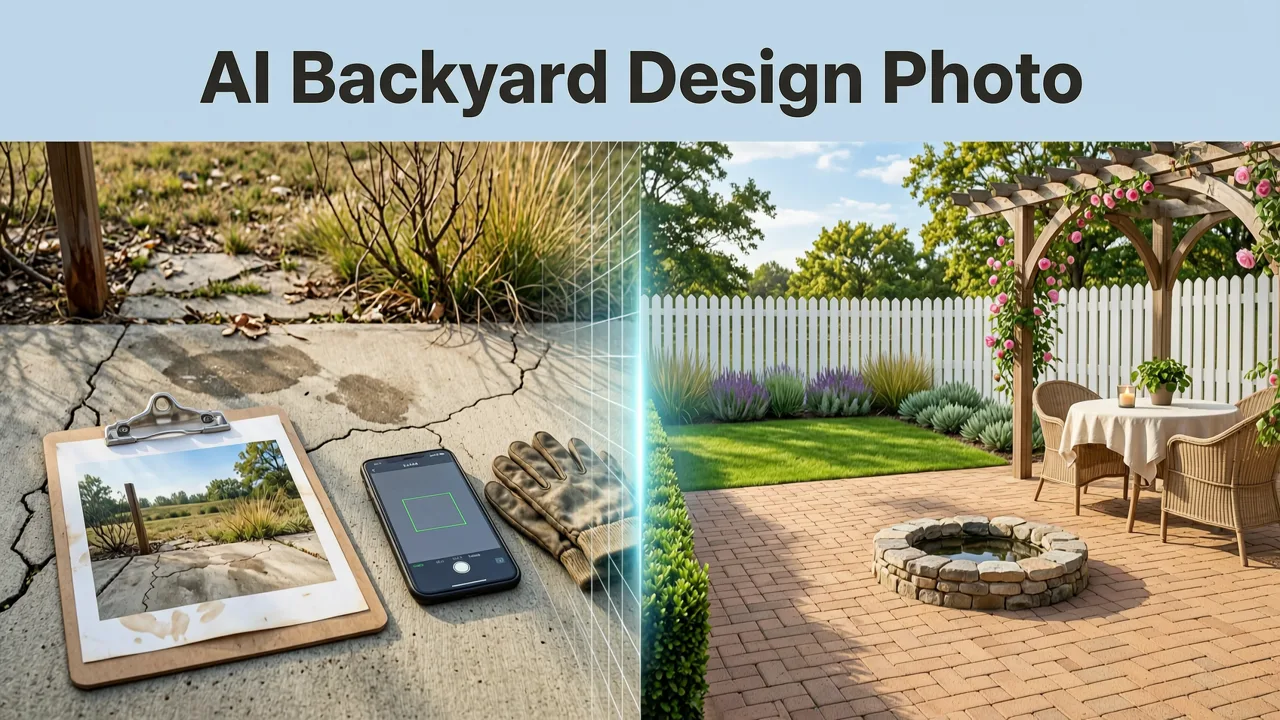
Modern AI tools do not simply paste clip-art trees over your existing photo. The underlying architecture relies on advanced computer vision and generative modeling to understand the physical reality of your yard. According to foundational research documented in the OpenAI documentation, multimodal AI models process both visual context and spatial relationships to generate coherent outputs.
1. Spatial Mapping and Depth Perception
When you upload an image, the AI immediately performs a depth-aware scene reconstruction. It identifies the foreground, midground, and background, mapping the exact dimensions of your patio, the height of your fences, and the slope of your lawn. This ensures that generated elements—like a new fire pit or a row of arborvitae—are scaled correctly relative to your existing structures. Shadows and lighting are also calculated to match the time of day the photo was taken, resulting in a seamless virtual garden makeover.
2. Context-Aware Plant and Hardscape Selection
Beyond basic geometry, the AI analyzes the semantic content of your yard. It recognizes existing hardscapes like brick pathways or wooden decks and suggests complementary materials. If the AI detects a shaded corner beneath a large oak tree, it will prioritize shade-tolerant plant layouts preview options, such as hostas or ferns, rather than sun-loving succulents. This context-aware generation ensures that the designs are not just visually appealing, but botanically and structurally logical.
Step-by-Step Guide to Visualizing Your Yard
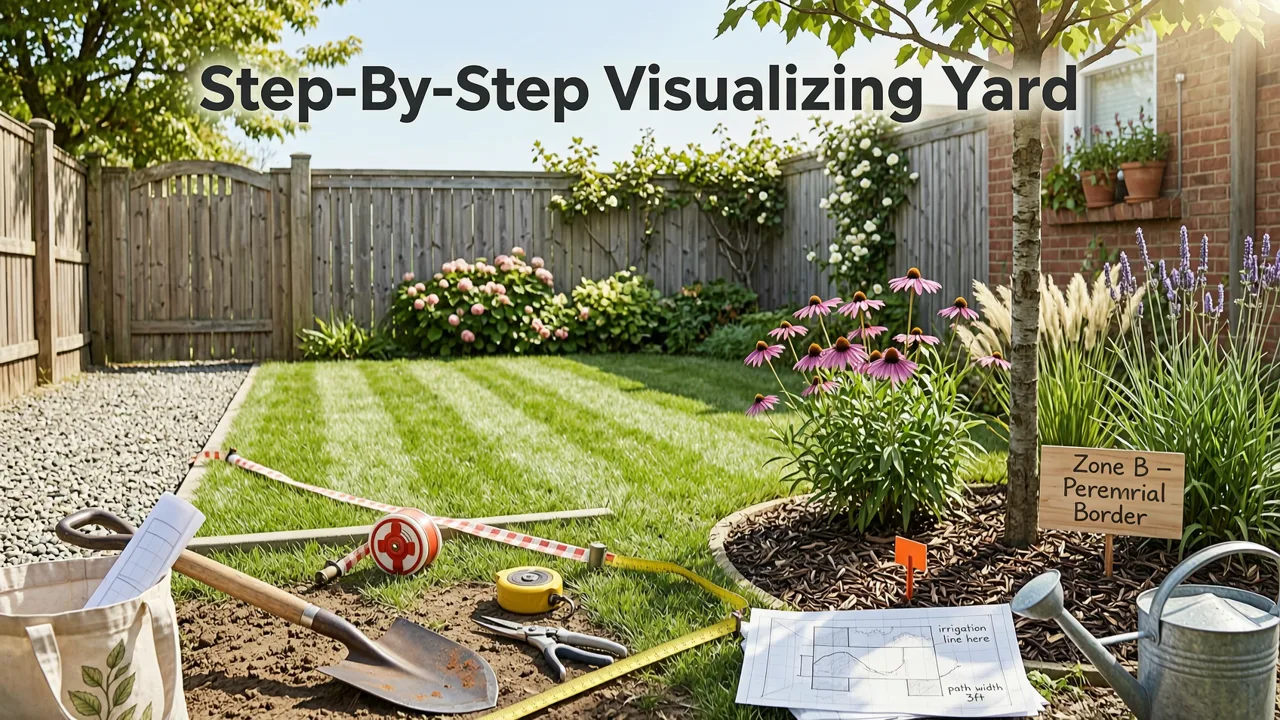
Getting the most accurate and inspiring results requires a strategic approach to how you interact with the software. Follow this authoritative workflow to maximize your design output.
Step 1: Capture the Right Baseline Photo
The quality of your AI output is directly tied to the quality of your input. Take your photo during the day when natural lighting is even, avoiding harsh midday shadows that can confuse the AI’s depth perception. Stand in the corner of your yard or against the house to capture the maximum amount of space. Ensure the lens is level and that temporary clutter, like garden hoses or toys, is removed from the frame.
Step 2: Select Your Design Style
Once your image is uploaded, you will be prompted to choose a design direction. Whether you prefer a minimalist modern aesthetic with clean concrete pavers, a lush English cottage garden, or a drought-tolerant xeriscape, the AI will apply the specific textures, color palettes, and plant species associated with that style. If you are dealing with a compact area, you might want to explore specific backyard landscape ideas for small spaces to guide your style selection toward vertical and multi-functional designs.
Step 3: Refine and Compare Layouts
Do not settle for the first generation. Use the AI Backyard Design Tool to tweak specific elements. Swap out a wooden fence for a wrought-iron one, or replace a gravel path with natural flagstone. Generating multiple variations side-by-side allows you to evaluate which layout optimizes traffic flow and visual balance.
Comparing Traditional Design vs. AI Landscape Visualization
Understanding the tangible benefits of AI over conventional methods helps justify its use in your planning process. The following table breaks down the key differences in workflow, cost, and flexibility.
| Feature | Traditional Landscape Architect | AI Backyard Design from Photo |
|---|---|---|
| Time to First Draft | 1 to 3 weeks | Under 30 seconds |
| Initial Cost | $500 - $2,000+ | Free to low-cost subscription |
| Realism & Scale | Highly accurate, measured blueprints | Photorealistic, proportionally scaled |
| Iteration Speed | Days per revision | Instantaneous regeneration |
| Plant Knowledge | Expert botanical selection | Context-aware, style-matched suggestions |
| Best Used For | Final execution and permitting | Concept exploration and visualization |
Maximizing Your Results with AI Garden Tools
To truly master these platforms, you must understand their strengths and limitations. AI is an exceptional tool for conceptualization, but it operates within specific parameters.
First, consider the scope of your property. If you live in an apartment or townhome, your outdoor footprint might be limited to an elevated platform. In these cases, a standard backyard generator might struggle with perspective. Instead, utilize a specialized Balcony Garden Layout Generator which is explicitly trained on the unique spatial constraints, railing heights, and weight limitations of elevated outdoor spaces.
Second, if you are testing the waters before committing to a premium subscription, start with a Free AI Backyard Design Tool. This allows you to experiment with different styles and layouts without any financial risk, ensuring the platform meets your specific visualization needs.
Finally, always adhere to ethical and practical guidelines when using generated imagery. As outlined in Google AI guidance, responsible use of AI means not using generated images to misrepresent property lines, obscure existing structural hazards, or violate local zoning visualizations. AI is a planning aid, not a legal surveyor.
The most successful landscaping projects begin with a clear vision. AI does not replace the physical labor of gardening, but it eliminates the paralysis of choice by showing you exactly what is possible.
Common Mistakes to Avoid When Using AI for Landscape Design
Even the most advanced AI landscape generator can produce flawed concepts if the user input is poor or the expectations are misaligned. Avoid these common pitfalls to ensure your virtual garden makeover translates well to the real world.
- Ignoring Sun Exposure: AI might place a sun-loving Japanese maple in a deeply shaded corner because it fits the aesthetic. Always cross-reference the AI’s plant layout preview with your yard’s actual microclimates.
- Overlooking Utility Lines: The AI cannot see underground irrigation, gas lines, or septic tanks. Never assume a generated hardscape design is safe to excavate without calling your local utility marking service first.
- Neglecting Maintenance Realities: A densely packed cottage garden looks beautiful in a render but requires hours of weekly weeding and pruning. Adjust the AI’s density settings to match your actual available time for yard care.
- Using Poor Quality Input Photos: Blurry, heavily shadowed, or extreme wide-angle photos distort the AI’s spatial mapping. Take multiple clear, well-lit photos from different angles to give the AI the best possible data.
Conclusion
The era of relying solely on imagination or expensive preliminary sketches is over. By utilizing ai backyard design from photo technology, you take control of your outdoor space planning with unprecedented speed and clarity. These tools empower you to explore bold ideas, refine your preferences, and visualize the final result with photorealistic accuracy. Stop guessing what your yard could look like and start seeing it for yourself. Upload your first photo today, generate your custom landscape concepts, and take the first step toward building the outdoor space you have always envisioned.


