

Why Choosing Heat-Tolerant Plants for South-Facing Spaces Matters in 2026
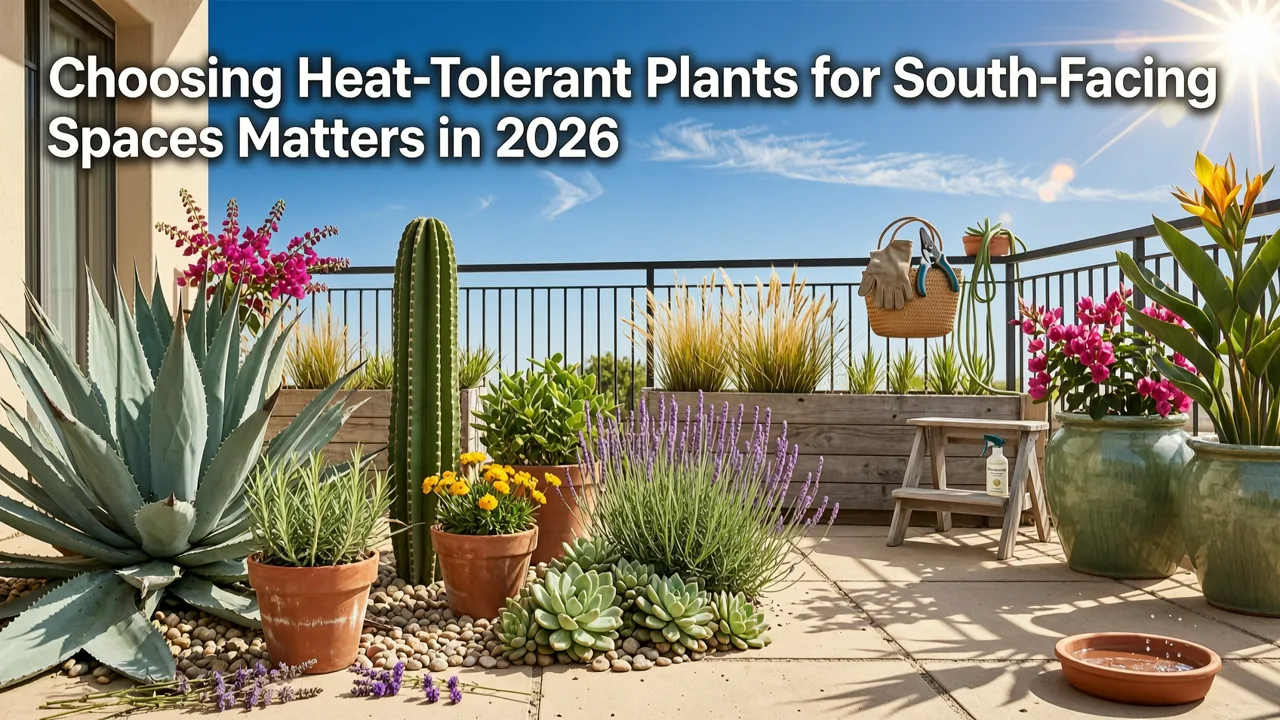
If you have ever watched a newly planted hydrangea crisp up by mid-July, you already understand the unforgiving nature of southern summers. When selecting heat-tolerant plants for south-facing zones, the margin for error is incredibly small. The combination of intense solar radiation, high ambient temperatures, and shifting climate patterns means that traditional landscaping choices often fail without constant, resource-heavy maintenance.
In 2026, the focus has shifted decisively toward resilient, drought-proof landscaping. Homeowners and professional landscapers alike are prioritizing species that not only survive extreme heat but thrive in it. This guide breaks down the most reliable heatwave survival plants available today, explains how to design a low-water garden, and shows you how to visualize these changes in your actual yard before you spend a single dime.
Understanding Southern Microclimates and the Imagination Gap
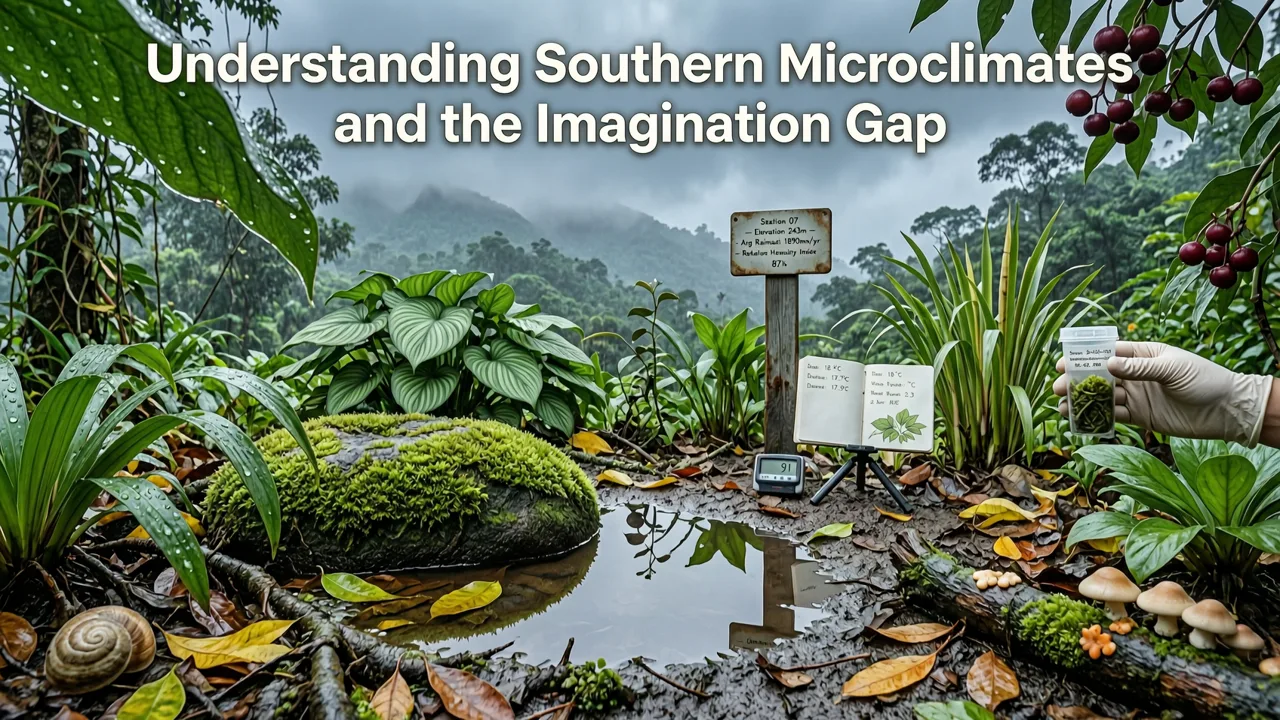
The biggest mistake gardeners make is assuming that a plant labeled full sun can handle the brutal afternoon exposure of a southern backyard. A south-facing wall radiates heat long after the sun goes down, creating a microclimate that is significantly hotter than the surrounding area.
The “Unkillable” Garden: 15 Heat Tolerant Plants That Survive Texas Summers
by Cotyledon Clay
When you try to guess how a plant will perform in these conditions, you fall into the imagination gap. You picture a lush, vibrant garden, but the reality of poor soil drainage and radiant heat tells a different story. To avoid planting mistakes before you dig, you must first assess your specific sun exposure, soil type, and wind patterns. Only then can you select sun-loving perennials and shrubs that are genuinely suited to your exact microclimate.
Top Heat-Tolerant Plants for South Gardens: A 2026 Guide
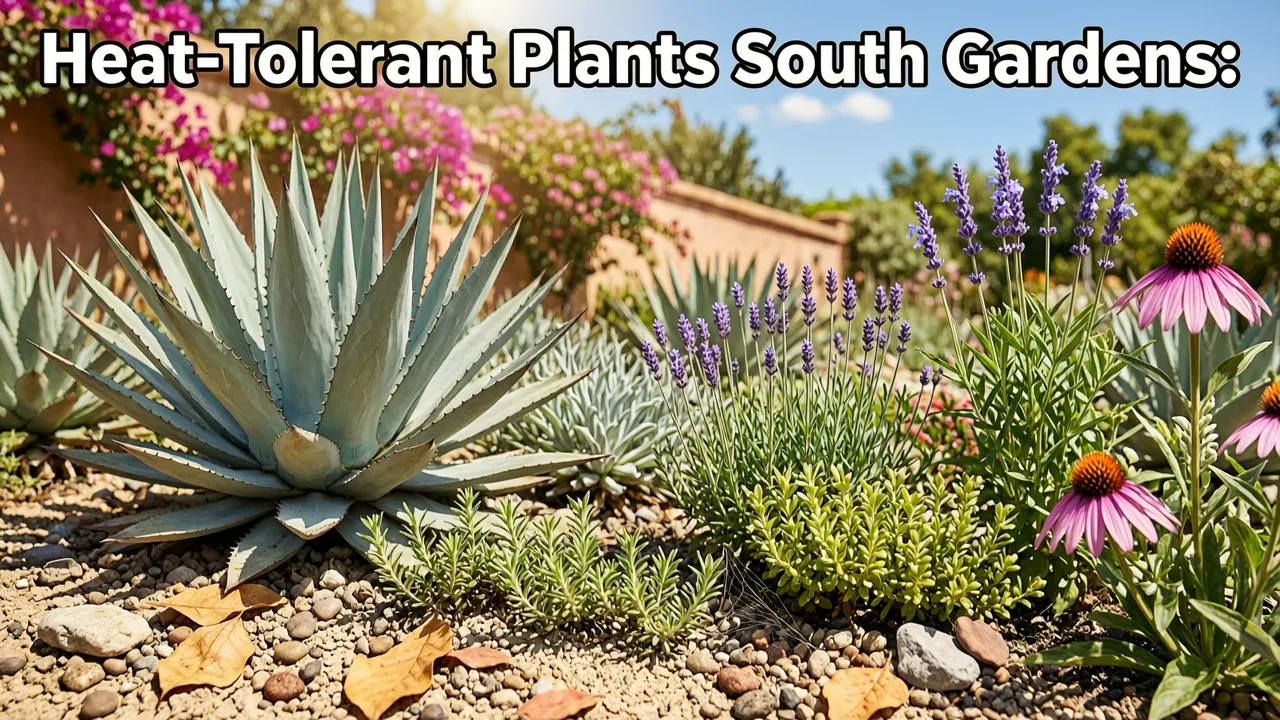
Building a resilient landscape requires a mix of textures, bloom times, and growth habits. The following selections are proven performers in southern climate gardening, offering both aesthetic appeal and extreme durability.
Perennials for Continuous Color
Perennials form the backbone of a sustainable garden. For south-facing beds, you need varieties that do not fade when the temperature climbs past 95°F.
- Lantana: A staple for southern xeriscaping ideas. Lantana produces vibrant clusters of orange, red, yellow, and purple flowers from late spring through the first frost. It is highly drought-tolerant and attracts pollinators.
- Purple Coneflower (Echinacea): Beyond its striking visual appeal, this native perennial features deep taproots that allow it to access water deep in the soil profile. It thrives in full sun and requires minimal intervention once established.
- Black-Eyed Susan (Rudbeckia): These cheerful, daisy-like flowers are incredibly forgiving. They handle poor soil and high heat with ease, providing a reliable splash of golden yellow in the late summer garden.
Structural Shrubs for Privacy and Shade
Shrubs provide the architectural framework of your landscape. In a south-facing yard, they also play a critical role in shading the soil and reducing evaporation for smaller understory plants.
- Texas Sage (Leucophyllum frutescens): Often called the barometer bush, this silvery-leaved shrub bursts into purple blooms following summer rains. It reflects sunlight, keeping its internal temperature cool.
- Rosemary: While typically an herb, upright rosemary varieties grow into dense, woody shrubs. Their needle-like leaves minimize water loss, making them perfect for hot, dry borders.
- Oleander: An incredibly tough evergreen shrub that handles extreme heat, poor soil, and salt spray. It produces abundant flowers in white, pink, and red, though it should be planted where pets and children cannot ingest it.
Succulents and Agaves for Architectural Interest
For a modern, low-maintenance aesthetic, succulents are unmatched. They store water in their fleshy leaves, allowing them to endure prolonged dry spells.
- Agave: With their striking rosette form and sharp terminal spines, agaves provide dramatic focal points. They require excellent drainage and virtually no supplemental water once rooted.
- Aloe Vera: Beyond its medicinal properties, aloe thrives in southern heat. It produces tall spikes of tubular flowers that hummingbirds adore.
- Sedum: Creeping and upright sedum varieties offer a range of foliage colors, from deep reds to bright greens. They are excellent for filling gaps in rock gardens and south-facing retaining walls.
Comparing Top Heat-Tolerant Plants for South Landscapes
Choosing the right plant requires balancing aesthetic goals with maintenance realities. Use the table below to compare the core characteristics of the top performers for 2026.
| Plant Name | Category | Sun Exposure | Water Requirement | Maintenance Level |
|---|---|---|---|---|
| Lantana | Perennial | Full Sun | Low (Drought Tolerant) | Low |
| Texas Sage | Shrub | Full Sun | Very Low | Low |
| Purple Coneflower | Perennial | Full Sun to Part Shade | Low to Medium | Low |
| Agave | Succulent | Full Sun | Very Low | Very Low |
| Rosemary | Shrub/Herb | Full Sun | Low | Low |
| Black-Eyed Susan | Perennial | Full Sun | Low to Medium | Low |
Design Strategies for Maximizing Shade and Soil Moisture
Selecting the right plants is only half the equation. How you arrange and care for them determines their long-term success in a low-water garden design.
Implement Hydrozoning
Hydrozoning involves grouping plants with similar water requirements together. This prevents the common error of overwatering drought-tolerant species just because they are planted next to a thirstier companion. Place your most water-dependent plants near the house or in natural shade pockets, and push the most aggressive heat-tolerant plants to the exposed, south-facing perimeters.
Amend the Soil and Mulch Heavily
Southern soils often swing between heavy clay and rapid-draining sand. Incorporating organic compost improves the soil structure, allowing it to hold moisture longer without becoming waterlogged. Once planted, apply a two-to-three-inch layer of organic mulch, such as shredded hardwood or pine straw. Mulch acts as an insulating blanket, keeping root zones significantly cooler during peak afternoon heat and drastically reducing surface evaporation.
Visualizing Your Heat-Tolerant Plants Before You Buy
The transition from a barren, sun-baked yard to a lush, resilient oasis is difficult to visualize from a nursery tag. This is where modern AI landscape design tools change the game. By uploading a simple photo of your yard, you can instantly see how different combinations of heat-tolerant plants will look in your exact space.
See the Transformation Before and After
Relying on your imagination often leads to buyer's remorse. When you explore backyard landscape ideas before and after using AI generation, you can test bold choices like a dense row of Texas Sage or a sprawling Agave border without committing to the physical labor. The AI maps the plants to the perspective and lighting of your original photo, giving you a photorealistic preview.
Boost Curb Appeal with Confidence
Your front yard takes the brunt of the southern sun and sets the tone for your entire property. Using AI to generate front yard landscape ideas allows you to experiment with curb appeal. You can see how a mix of Purple Coneflowers and ornamental grasses will frame your walkway, ensuring the design complements your home's architecture before you break ground.
Optimize Patio and Container Layouts
South-facing patios act as heat sinks, radiating warmth long into the evening. If you are planning to use heat-tolerant plants in containers to soften the hardscape, you need to know how they will fit into your seating areas. Exploring patio layout ideas from photo helps you position large Agave pots or trailing Lantana planters perfectly, ensuring they enhance the space without obstructing flow.
How AI Ensures Responsible Plant Selection
Modern AI design models are trained on vast datasets of horticultural knowledge. Following strict Google AI guidance and industry standards for responsible AI, these tools cross-reference your visual inputs with regional climate data. This ensures that the design suggestions are not just aesthetically pleasing, but horticulturally viable for your specific hardiness zone.
Conclusion: Build a Resilient Southern Landscape
Designing a garden for the southern heat does not mean sacrificing beauty for survival. By choosing proven heat-tolerant plants for south-facing exposures and applying smart design principles like hydrozoning and heavy mulching, you can create a vibrant landscape that thrives with minimal intervention. Stop guessing how your yard will look and start visualizing your success. Upload your photo today, select your favorite drought-proof styles, and watch your dream southern garden come to life before you ever pick up a shovel.
Related resources
- Backyard Landscape Ideas Before and After: 2026 Visual Guide
- How to Avoid Planting Mistakes Before You Dig in 2026
- Patio Layout Ideas from Photo — Try AI Design Free in 2026
- OpenAI documentation
- Google AI guidance


