

If you live in the South, you already know the struggle of keeping a traditional, thirsty lawn alive through brutal summer heat and unpredictable rainfall patterns. Drought-resistant landscaping southern us properties rely on is no longer just an environmental trend; it is a practical, financial, and aesthetic necessity for modern homeowners. By shifting to water-wise gardening and native southern plants, you can build a beautiful, resilient yard that thrives with minimal irrigation.
This comprehensive guide explores how to design, visualize, and maintain a low-water landscape that withstands the unique climatic challenges of the American South in 2026. Whether you are tackling a complete front yard overhaul or simply upgrading a tired backyard patio, understanding the principles of xeriscaping will save you time, money, and countless hours of maintenance.
The Shift Toward Drought-Resistant Landscaping Southern US Homes Embrace
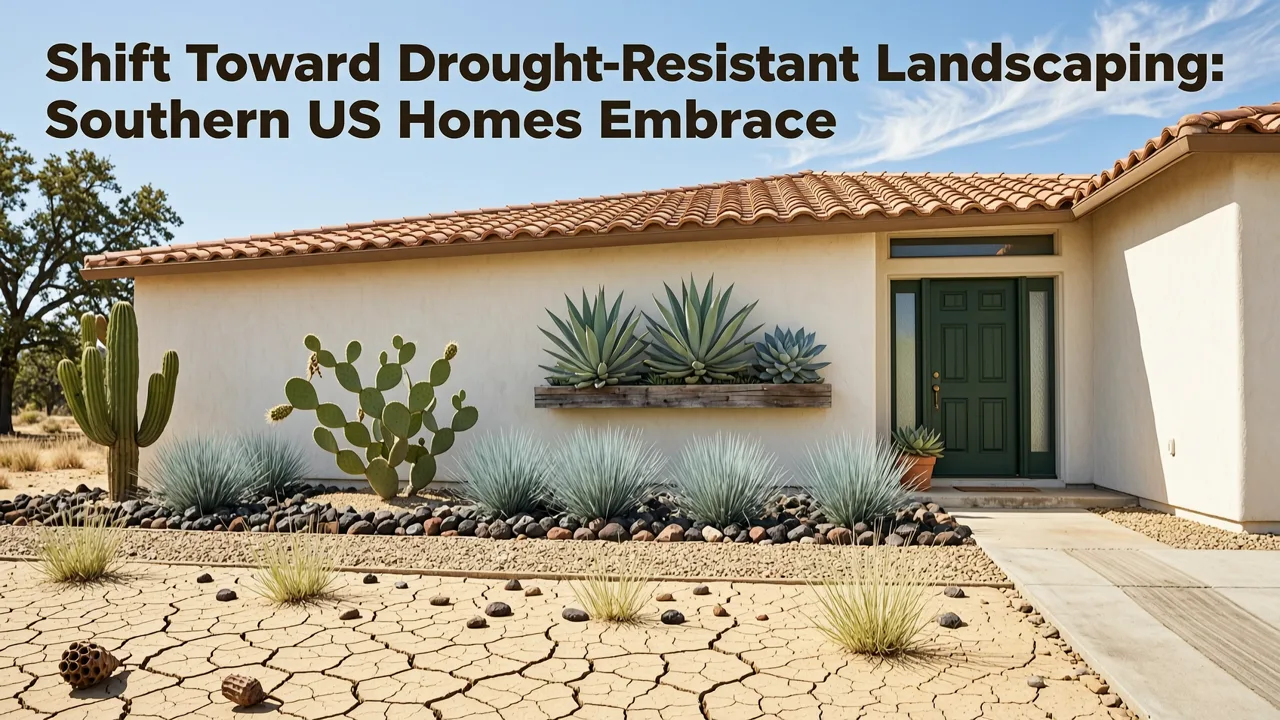
Historically, the southern United States has been synonymous with lush, green turf grasses that demand enormous amounts of water, fertilizer, and chemical treatments. However, as climate patterns have evolved and municipal water restrictions have become more frequent, the definition of a beautiful yard has fundamentally changed. Homeowners are increasingly realizing that a vibrant landscape does not require a high monthly water bill.
10 Drought Tolerant Plants That Will Survive The Driest Conditions ☀️✨🌼
by PlantDo Home & Garden
Drought-resistant landscaping, often referred to as xeriscaping, focuses on selecting plants that are naturally adapted to low-water environments. In the South, this means moving away from water-heavy fescue or Kentucky bluegrass and embracing hardy native species, ornamental grasses, and succulents that can withstand prolonged dry spells. The aesthetic result is a relaxed, naturalistic garden that feels perfectly at home in the southern climate, rather than fighting against it.
Beyond the environmental benefits, transitioning to a low-water landscape design significantly reduces your long-term maintenance costs. You will spend less time mowing, less money on irrigation repairs, and fewer resources on synthetic fertilizers. It is a strategic investment in your property that pays dividends year after year.
Core Principles of Southern Xeriscaping
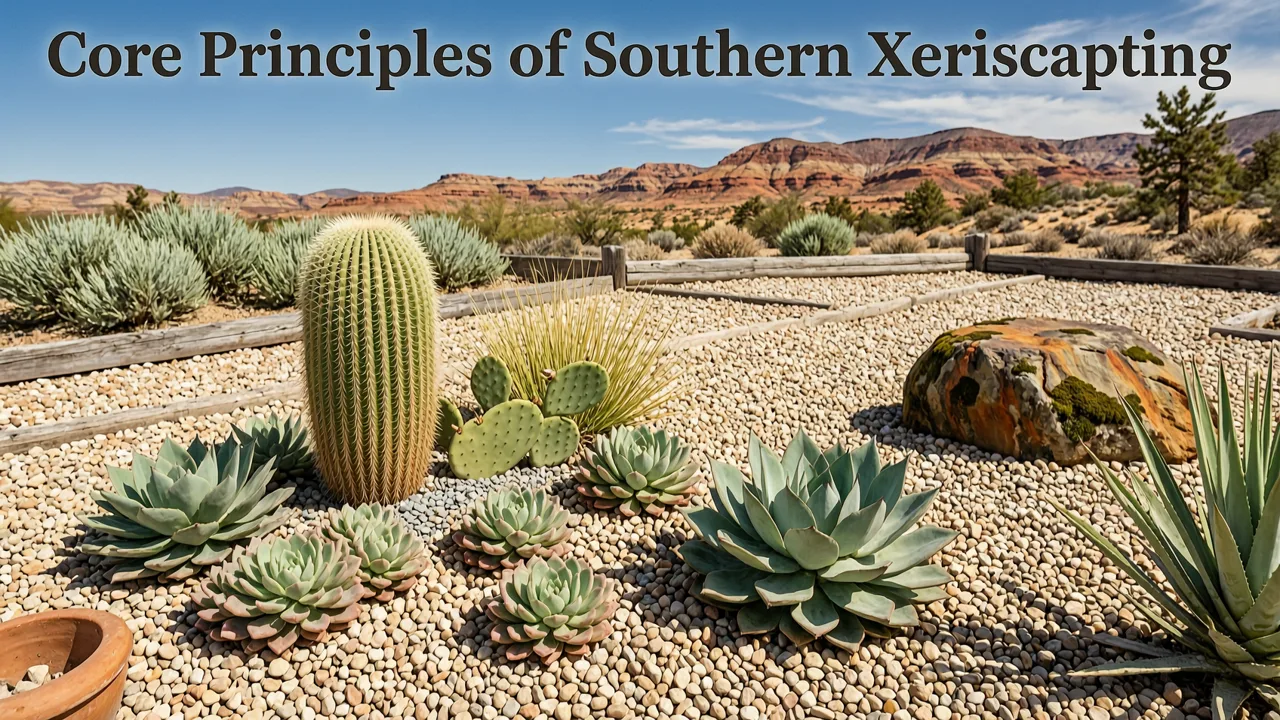
Creating a successful drought-tolerant yard requires more than just buying a few succulents and hoping for the best. It requires a systematic approach to planning, soil management, and plant placement. Here are the foundational principles you must follow.
Soil Preparation and Mulching
The foundation of any great garden is its soil. In many southern regions, the native soil is either heavy clay that suffocates roots or sandy loam that drains too quickly to retain moisture. Before planting, amend your soil with generous amounts of organic compost. This improves drainage in clay soils while increasing water retention in sandy soils.
Once your plants are in the ground, apply a thick layer of organic mulch, such as shredded hardwood bark or pine straw. Mulch acts as a protective barrier, reducing soil temperature, suppressing water-stealing weeds, and dramatically slowing down evaporation. Aim for a mulch depth of two to three inches, keeping it pulled back slightly from the base of your plants to prevent rot.
Hydrozoning for Maximum Efficiency
Hydrozoning is the practice of grouping plants together based on their specific water needs. By placing high-water plants near your home or patio where you can easily monitor them, and grouping low-water plants in the outer zones of your yard, you prevent the common mistake of overwatering drought-tolerant species just to keep a thirsty neighbor alive. This targeted approach ensures that every drop of water is used efficiently.
Understanding Your Microclimate
Your yard is not a single uniform environment. The south-facing side of your house will bake in the afternoon sun, while the north-facing side might remain cool and shaded. Pay close attention to sun exposure, wind patterns, and soil drainage in different areas of your property. Matching the right plant to the right microclimate is the single most important factor in ensuring long-term survival.
Top Drought-Tolerant Plants for Southern Climates
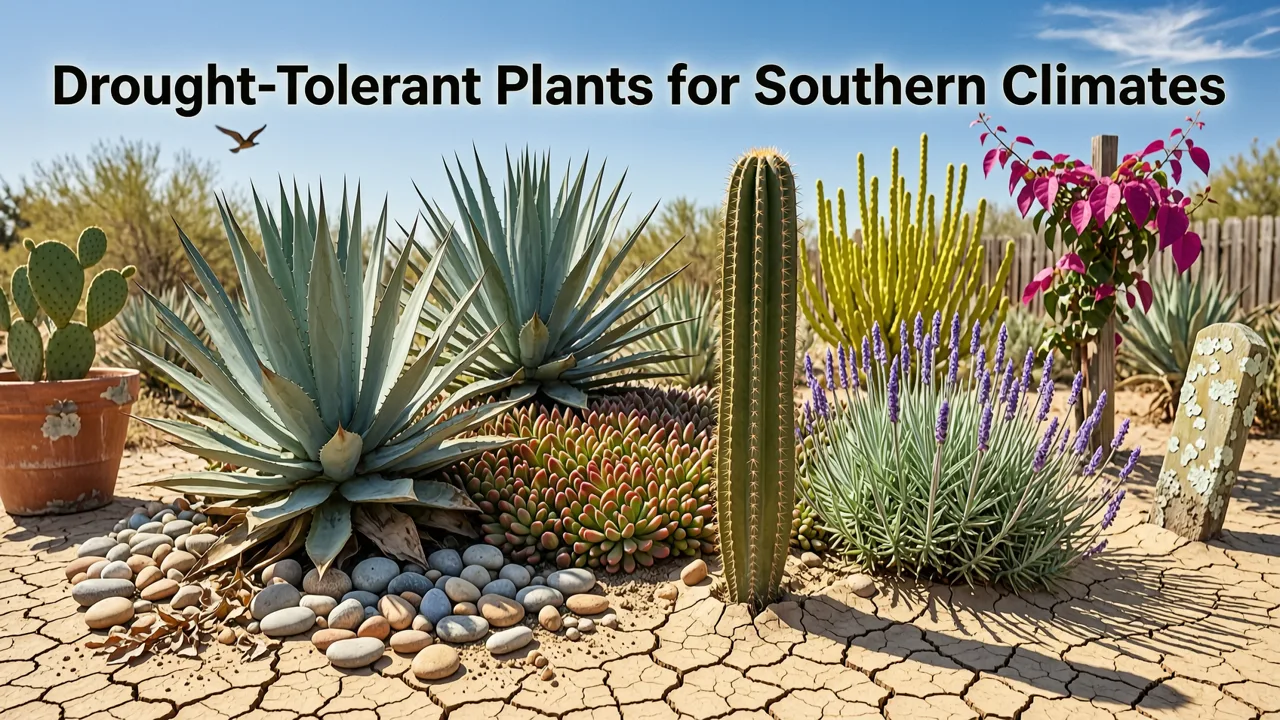
Choosing the right flora is critical. Native southern plants have evolved over thousands of years to thrive in local conditions, making them the backbone of any successful water-wise garden. Below is a comparison of some of the most reliable, low-maintenance options for 2026.
| Plant Name | Type | Sun Requirement | Water Needs | Key Benefits |
|---|---|---|---|---|
| Agave (Agave americana) | Succulent | Full Sun | Very Low | Striking architectural form; highly deer resistant. |
| Lantana (Lantana camara) | Perennial/Shrub | Full Sun | Low | Continuous summer blooms; attracts pollinators. |
| Black-Eyed Susan (Rudbeckia hirta) | Perennial | Full to Part Sun | Moderate to Low | Classic southern wildflower; excellent for cutting. |
| Confederate Rose (Hibiscus mutabilis) | Shrub | Full Sun | Moderate | Large, color-changing blooms; thrives in heat. |
| Muhly Grass (Muhlenbergia capillaris) | Ornamental Grass | Full Sun | Low | Stunning pink fall plumes; provides winter interest. |
| Yaupon Holly (Ilex vomitoria) | Evergreen Shrub | Full to Part Shade | Low | Dense privacy screening; produces winter berries. |
When selecting trees, consider species like the Southern Magnolia, Live Oak, or Crape Myrtle. These established trees provide crucial shade that cools your home and reduces evaporation in the understory plantings below. For groundcovers, replace traditional grass with creeping thyme, liriope, or asiatic jasmine, which require a fraction of the water and zero mowing.
How to Visualize Your Drought-Resistant Design Before You Plant
One of the biggest hurdles in landscape design is the imagination gap. It is incredibly difficult to look at a bare patch of dirt or a tired, overgrown flowerbed and visualize how drought-resistant plants will look when fully mature. This is where modern technology completely changes the game.
Using AI to Preview Your Yard
Instead of relying on guesswork or flat 2D sketches, you can now use AI-powered tools to transform a simple photo of your yard into a realistic, fully rendered landscape design. By uploading a picture of your current space, you can instantly preview different xeriscaping styles, plant layouts, and hardscape features. If you want to see how a complete transformation will look, exploring backyard landscape ideas before and after can provide immense clarity and inspiration.
This technology allows you to experiment with different color palettes, textures, and plant heights without spending a single dime on actual nursery stock. You can test out a desert-inspired look with agave and ornamental grasses, and then switch to a more traditional southern cottage garden feel using drought-tolerant perennials, all from the comfort of your phone.
If your focus is on boosting curb appeal, you can easily generate front yard landscape ideas that specifically highlight water-wise pathways, dry creek beds, and low-water foundation plantings. Seeing the design in context helps you make confident decisions about spacing, scale, and overall aesthetic.
Avoiding Costly Planting Mistakes
Even the best drought-tolerant plants will fail if they are placed in the wrong environment. Putting a sun-loving lantana in deep shade, or placing a moisture-sensitive succulent in a low-lying drainage area, are classic errors that lead to dead plants and wasted money. Learning how to avoid planting mistakes before you dig ensures that your microclimate analysis is accurate and your plant selections are perfectly matched to their new homes.
The fastest way to avoid planting mistakes is to see your design in realistic detail before you break ground. Visualization tools eliminate the guesswork, ensuring every plant is placed for long-term success.
Smart Irrigation and Rainwater Harvesting
While drought-resistant landscaping southern us properties feature is designed to minimize water use, supplemental irrigation is still necessary during the establishment phase and extreme dry spells. The key is to water smartly.
- Drip Irrigation: Replace oscillating sprinklers with drip lines. Drip irrigation delivers water directly to the root zone, eliminating evaporation and wind drift. It is highly efficient and keeps foliage dry, reducing the risk of fungal diseases.
- Smart Controllers: Upgrade to a Wi-Fi-enabled irrigation controller. These devices pull local weather data to automatically adjust your watering schedule, skipping cycles when rain is in the forecast.
- Rainwater Harvesting: Install rain barrels at your downspouts to capture runoff from your roof. This free, untreated water is perfect for hand-watering container plants or establishing new shrubs.
Maintenance Tips for a Thriving Southern Water-Wise Yard
A common misconception is that a drought-tolerant yard is a no-maintenance yard. While it requires significantly less work than a traditional turf lawn, it still demands seasonal attention to keep it looking its best.
- Weed Control: Weeds compete with your desirable plants for limited soil moisture. Stay on top of weeding, especially in the spring and fall, to ensure your water-wise plants get all the hydration they need.
- Strategic Pruning: Prune ornamental grasses and perennials in late winter before new spring growth emerges. Avoid heavy pruning during the heat of summer, as this stresses the plants and increases their water requirements.
- Mulch Replenishment: Organic mulch breaks down over time, enriching the soil but losing its moisture-retaining bulk. Top up your mulch layers annually to maintain the optimal two-to-three-inch depth.
- Deep, Infrequent Watering: When you do need to irrigate, water deeply and infrequently. This encourages plants to send their roots deep into the soil where moisture is more stable, rather than relying on shallow, frequent sips.
Conclusion
Transitioning to drought-resistant landscaping is one of the smartest investments a southern homeowner can make in 2026. By embracing native southern plants, implementing smart hydrozoning, and utilizing modern AI design tools to visualize your space, you can create a stunning, resilient outdoor living area that thrives despite the heat. Stop guessing what your yard could look like and start planning with confidence. Upload a photo of your space to an AI garden design tool today, and watch your dream water-wise landscape come to life before you even pick up a shovel.
Related resources
- Backyard Landscape Ideas Before and After: 2026 Visual Guide
- How to Avoid Planting Mistakes Before You Dig in 2026
- Patio Layout Ideas from Photo — Try AI Design Free in 2026
- MDN web docs
- TypeScript documentation


