

Why Backyard Design from Photo Has Become the Smartest Way to Plan in 2026
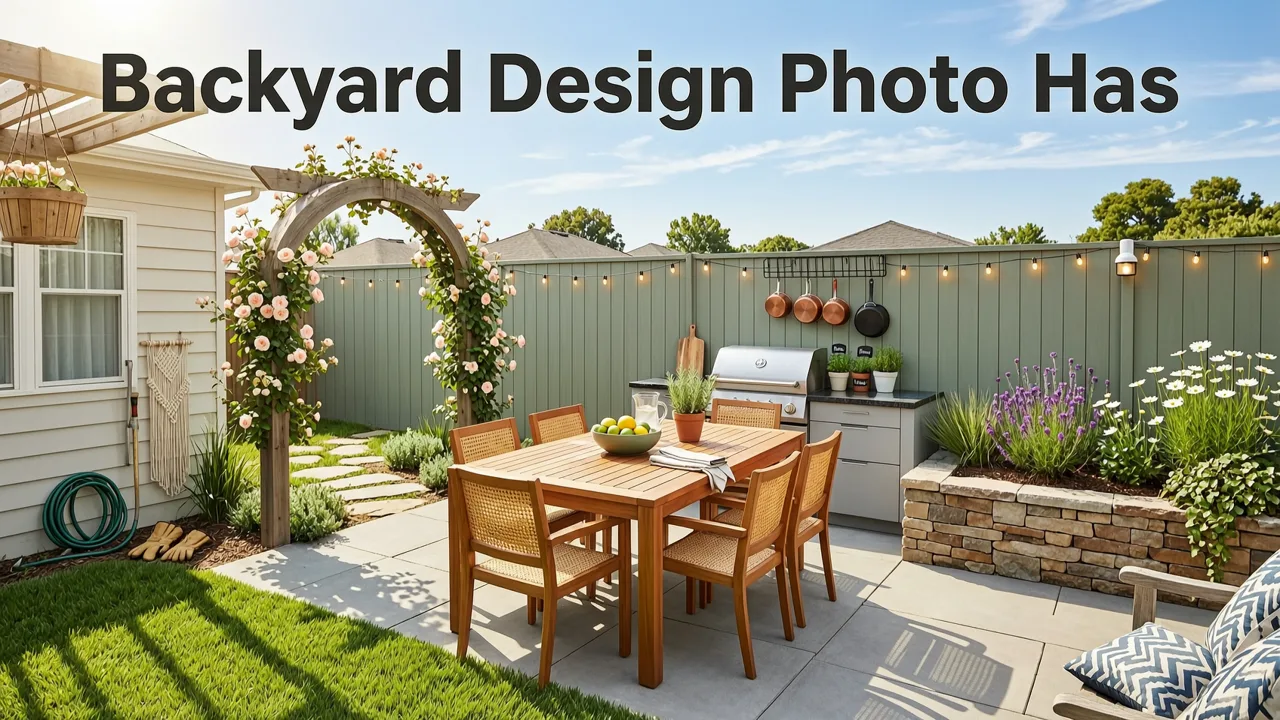
If you've ever stared at a patchy lawn, a cracked patio, or a tangled flower bed and wondered what your yard could actually look like, you're not alone. In 2026, the fastest-growing solution is simple: generate a backyard design from photo using AI. Upload a single picture of your outdoor space, choose a style, and within seconds you'll see realistic plant layouts, hardscape options, and outdoor features placed directly into your own yard.
This isn't a gimmick. Modern AI landscape tools now combine depth-aware rendering, climate-conscious plant matching, and style-adaptive layouts to give homeowners, renters, and gardeners a clear visual plan before spending a single dollar on materials or professional services. Below, you'll learn exactly how the process works, what features matter most, and how to avoid the costly mistakes that traditional design methods still cause.
How AI Transforms Your Backyard Photo Into a Realistic Design
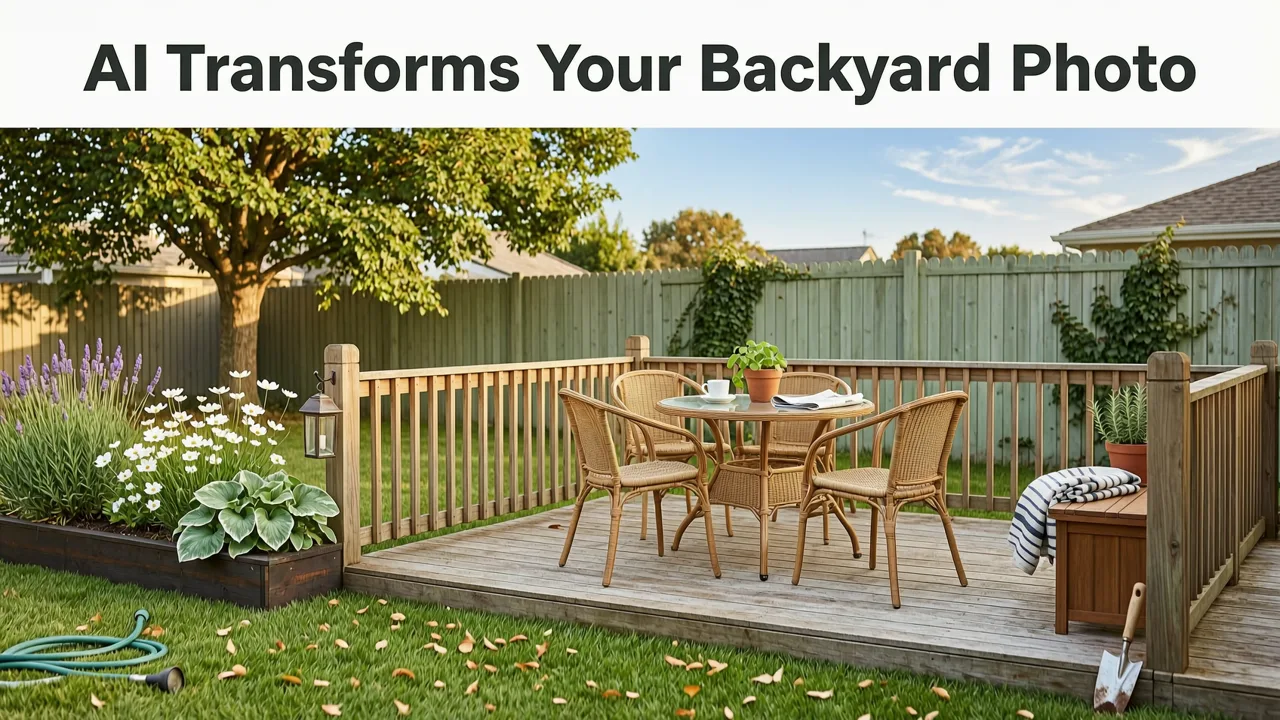
The technology behind a photo-based backyard design has matured significantly. Unlike the flat, cartoonish renderings of a few years ago, today's AI models understand spatial relationships, lighting conditions, and seasonal plant behavior. Here's what happens when you upload your image.
AI Garden Design Tools Are Everywhere—But Are They Any Good For Sustainable Landscaping?
by Plants in Progress
1. Depth-Aware Scene Reconstruction
The AI first analyzes your photo to build a three-dimensional understanding of your yard. It identifies the ground plane, existing structures, fence lines, and overhead obstacles like tree canopies or pergolas. This depth mapping ensures that new design elements — a fire pit, a raised bed, a pergola — are placed at the correct scale and perspective, not just pasted on top of your image.
2. Style-Adaptive Layout Generation
Once the spatial model is built, the system applies your chosen design style. Whether you prefer modern minimalist, cottage garden, Mediterranean, Japanese zen, or xeriscape, the AI adjusts plant selections, material palettes, and layout proportions to match. You can generate multiple style variations from the same photo and compare them side by side.
3. Climate and Zone-Aware Plant Selection
A beautiful design means nothing if the plants won't survive. Leading tools now cross-reference your photo's geographic indicators with USDA hardiness zones and local climate data to suggest plants that will actually thrive. This is where a generic Pinterest board falls short — AI matches species to your specific conditions.
Key Features That Define the Best Backyard Design from Photo Tools
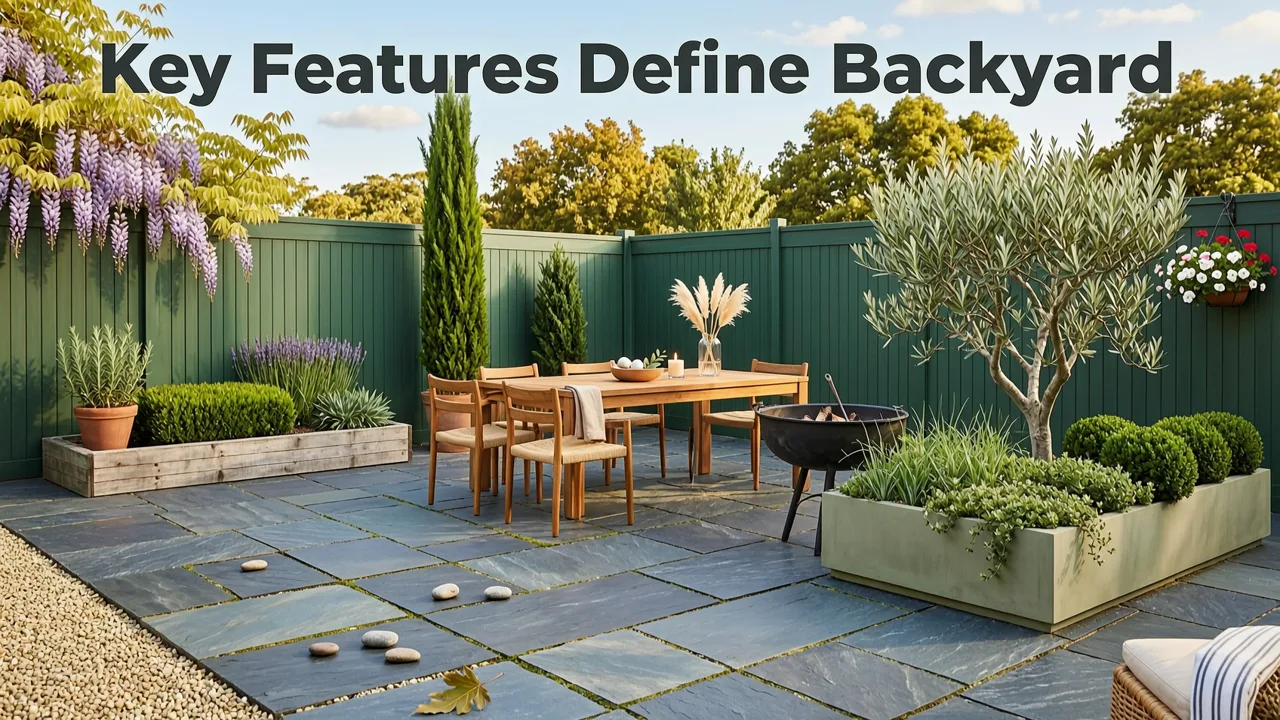
Not every AI garden tool delivers the same results. When evaluating options, focus on these capabilities that separate professional-grade platforms from basic filters.
- Photorealistic rendering: Output should look like an actual photograph, not a digital painting. Shadows, textures, and plant detail must hold up under close inspection.
- Multiple style variations: You should be able to generate at least four to six distinct design directions from a single upload.
- Object-aware placement: The AI should recognize existing features — pools, sheds, trees — and design around them rather than overwriting them.
- Seasonal preview: Some advanced tools let you toggle between spring bloom, summer fullness, autumn color, and winter structure so you can plan year-round appeal.
- Exportable design briefs: The best platforms generate a plant list and material summary you can hand directly to a landscaper or nursery.
For a deeper look at the technology powering these tools, the best AI garden design tool guide breaks down each capability in detail.
Step-by-Step: Creating Your Backyard Design from Photo
The process is straightforward, but a few preparation steps will dramatically improve your results.
- Take a clear, well-lit photo. Stand at the widest vantage point of your yard. Shoot during daylight, ideally when the sun is high enough to avoid heavy shadows. Capture the full width of the space.
- Upload to your chosen AI platform. Most tools accept standard JPEG or PNG files. Some also allow multiple angles for more complex yards.
- Select your preferred style. Browse available design aesthetics and choose one — or select multiple to compare.
- Review the generated designs. Examine each output for scale accuracy, plant appropriateness, and overall appeal.
- Refine and iterate. Adjust style preferences, swap individual elements, or regenerate until the layout feels right.
- Export your plan. Download your final design along with any plant lists or material recommendations.
If your project centers on a patio or deck area specifically, the patio layout ideas from photo resource covers outdoor living space design in greater depth.
Backyard Design Styles You Can Generate from a Single Photo
One of the biggest advantages of AI-powered design is the ability to explore styles you might never have considered. Here's a comparison of popular options and what each brings to your space.
| Design Style | Key Characteristics | Best Suited For | Maintenance Level |
|---|---|---|---|
| Modern Minimalist | Clean lines, neutral palette, geometric planters, ornamental grasses | Small urban yards, contemporary homes | Low |
| English Cottage | Dense perennial borders, climbing roses, informal pathways | Medium to large yards, traditional homes | Moderate to High |
| Mediterranean | Terracotta, lavender, olive trees, gravel paths, warm tones | Dry climates, sunny exposures | Low |
| Japanese Zen | Maples, moss, stone lanterns, raked gravel, water features | Shaded corners, contemplative spaces | Moderate |
| Xeriscape | Drought-tolerant succulents, native grasses, decomposed granite | Arid regions, water-restricted areas | Low |
| Tropical | Bold foliage, flowering hibiscus, bamboo screening, lush density | Warm climates, privacy-focused yards | Moderate to High |
Each of these styles can be generated from the same base photo, letting you see exactly how your yard would feel in a completely different aesthetic before committing to any purchases.
Common Mistakes Homeowners Avoid by Designing from Photo First
Traditional landscaping planning still leads to expensive errors. Here's what AI visualization helps you sidestep.
Buying Plants That Won't Thrive
Without seeing how specific species look together at mature scale, homeowners often overcrowd beds or choose plants unsuited to their light and soil conditions. AI-generated designs paired with zone-aware recommendations reduce this risk significantly. The best plants for my backyard guide explores how AI matching works in detail.
Misjudging Scale and Proportion
A patio that looks perfect in a magazine may overwhelm a small yard. A oversized tree planting can block views and create maintenance headaches. When the AI places elements directly into your photo, you see real-world proportions immediately.
Committing to a Style Too Early
Many homeowners spend thousands on hardscape and plantings based on a single idea — only to realize later that a different direction would have suited their home and lifestyle better. Generating multiple design variations from one photo lets you make an informed decision.
Ignoring Seasonal Changes
A yard that looks stunning in May can feel barren by February. Advanced AI tools that offer seasonal previews help you plan for year-round visual interest, ensuring your investment pays off across every season.
How to Take the Best Photo for AI Backyard Design
The quality of your input directly affects the quality of your output. Follow these guidelines for the strongest results.
- Shoot at eye level or slightly above. This gives the AI the most accurate perspective on ground plane and vertical elements.
- Avoid extreme wide-angle distortion. Standard phone lenses work better than ultra-wide modes, which can warp proportions.
- Include reference objects. A chair, a fence post, or a person in the frame helps the AI calibrate scale.
- Capture multiple angles if possible. Some platforms allow multi-photo uploads for more comprehensive 3D reconstruction.
- Shoot in consistent lighting. Overcast days or even sunlight produce the most accurate color representation for plant and material rendering.
Who Benefits Most from Photo-Based Backyard Design
This approach isn't just for landscape architects. It serves a wide range of users.
Homeowners planning a full yard renovation get a clear visual direction before soliciting contractor bids, which leads to more accurate quotes and fewer change orders.
Renters with balcony or small patio spaces can experiment with container layouts and vertical garden ideas without any physical commitment.
DIY gardeners use AI-generated plant lists as shopping guides, reducing impulse purchases at the nursery.
Real estate agents and stagers use before-and-after AI renderings to help buyers visualize a property's potential, accelerating sales.
For a broader collection of inspiration, the 25 backyard design ideas for 2026 resource showcases AI-generated concepts across multiple styles and yard sizes.
The Economics: How Photo-Based Design Saves Money
A professional landscape design consultation typically costs between $500 and $5,000 depending on yard size and designer reputation. AI-powered tools deliver comparable visual planning at a fraction of that cost — often free or included in a low-cost subscription.
Beyond the design fee itself, the real savings come from avoiding mistakes. A single misplanted tree that later needs removal can cost hundreds. An incorrectly sized patio that requires demolition and rebuild can cost thousands. Seeing your design in photorealistic detail before breaking ground is the cheapest insurance policy in landscaping.
What's Next for AI Backyard Design
The technology continues to evolve rapidly. Emerging capabilities include augmented reality overlays that let you walk through your AI-generated design on-site, integration with local nursery inventory for real-time plant availability, and automated irrigation planning based on generated layouts. As documented in OpenAI's platform documentation, multimodal AI models are becoming increasingly capable of understanding complex spatial environments, which directly benefits tools like these.
Responsible AI development also matters. Google's AI responsibility principles emphasize transparency and user control — standards that leading garden design platforms follow by giving users full ownership of their generated designs and clear explanations of how plant recommendations are made.
Getting Started Today
The barrier to entry has never been lower. You don't need design software skills, a large budget, or a professional consultation. All you need is a photo of your yard and a few minutes to explore what's possible. Whether you're planning a complete overhaul or just refreshing a tired border, generating a backyard design from photo gives you the confidence to move forward with a clear, tested vision.
Upload your first photo today, compare three or four style directions, and walk away with a plan that looks as good on screen as it will in real life.
Related Articles
- How to Turn a Photo into a Garden Design with AI in 2026
- Patio Design Ideas Generator: AI-Powered Outdoor Planning in 2026
- Free AI Garden Planner – Design Your Yard in Seconds in 2026
- AI Plant Layout Generator: Plan Realistic Gardens From Your Photo in
- Balcony Garden AI Designer – Small Space Landscaping Made Easy in 2026


