

Best Plants for Backyard Landscape: Why Plant Selection Is the Highest-Stakes Decision You'll Make
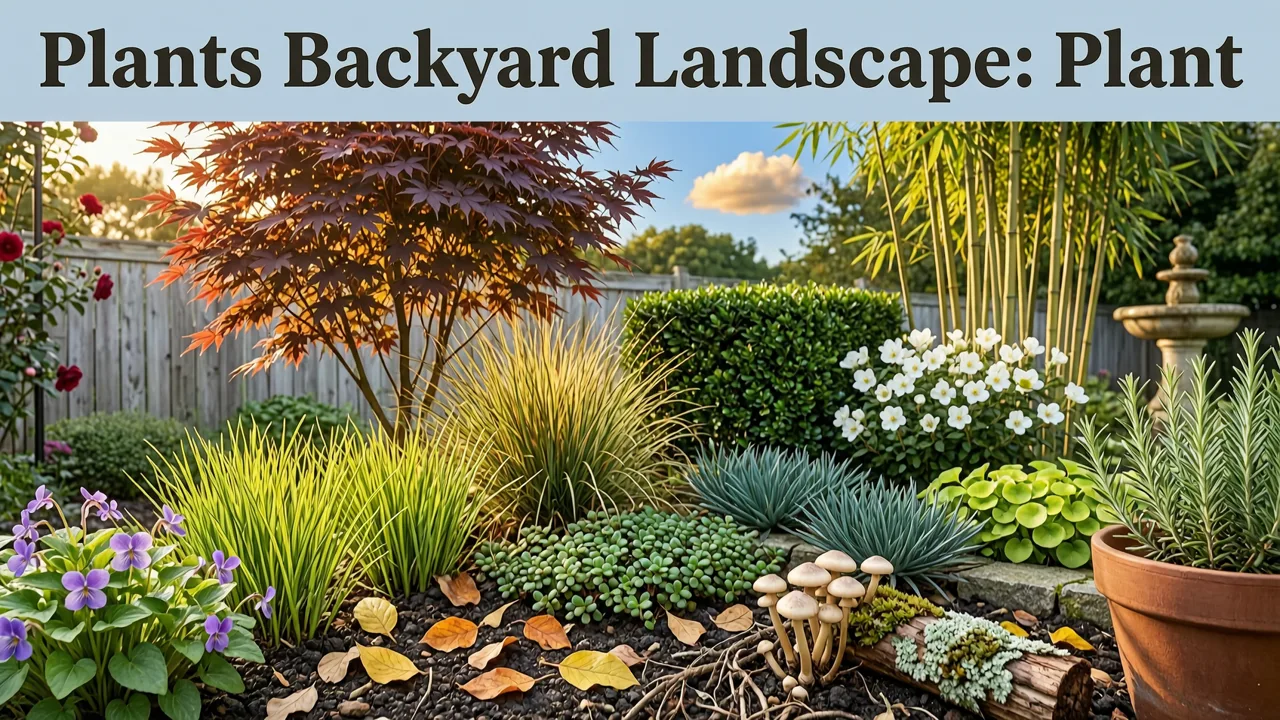
If you've ever bought a flat of hydrangeas on impulse only to watch them scorch in full afternoon sun, you already understand why the best plants for backyard landscape plans are never chosen from a catalog alone. The right plant in the wrong spot is wasted money, wasted water, and wasted seasons of growth. In 2026, backyard planting decisions are being made differently — homeowners are using AI-powered visualization tools to preview plant combinations in their actual yard before a single root touches soil.
This guide walks you through the plant categories that consistently perform across backyard styles, the climate and site variables that determine which species will thrive on your property, and the workflow that lets you test layouts digitally before committing. By the end, you'll know exactly how to narrow hundreds of plant options down to a shortlist that fits your light, soil, maintenance tolerance, and design vision.
How to Evaluate Your Backyard Before Choosing Plants
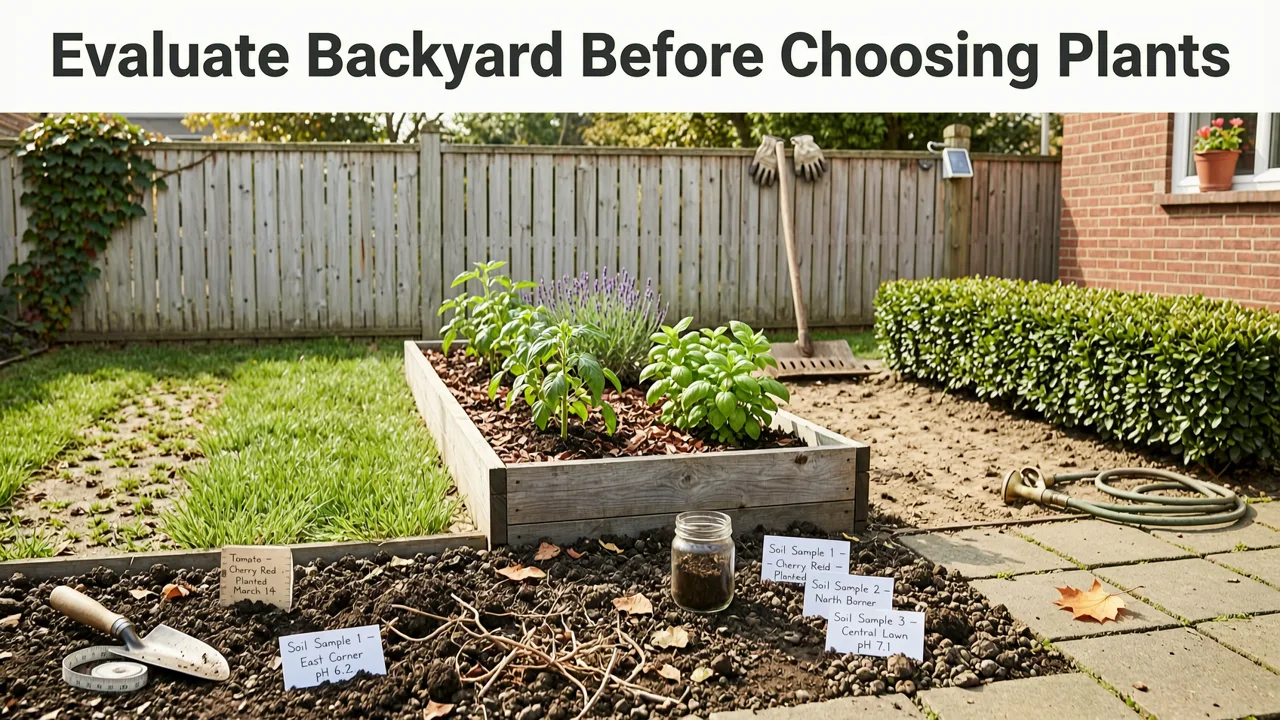
Every plant recommendation you read online is conditional. A rose that flourishes in a Pacific Northwest garden will struggle in central Texas without significant intervention. Before you add anything to your cart, assess four site variables that will filter your options quickly.
Top 10 Shrub Combinations to Plant In Front of Your Home!
by S&K Greenhouse
Sun Exposure Mapping
Spend one full day observing your backyard and note which zones receive full sun (six or more hours of direct light), partial shade (three to six hours), or full shade (fewer than three hours). Sun exposure shifts with the seasons — a corner that's shady in June may receive low-angle winter sun. Map your yard in both summer and winter if possible, or use a sun-path calculator for your latitude.
Soil Type and Drainage
A simple jar test tells you whether your soil is sandy, loamy, or clay-heavy. Drainage matters just as much: dig a 12-inch hole, fill it with water, and time how long it takes to drain. If water stands for more than four hours, you need plants that tolerate wet roots or you need to amend the soil before planting.
USDA Hardiness Zone and Microclimates
The USDA updated its Plant Hardiness Zone Map in late 2023, and many homeowners shifted half a zone warmer. Check your current zone designation, then walk your property looking for microclimates — south-facing walls that radiate heat, low spots where frost pools, or areas sheltered from wind. These microclimates can expand or restrict your plant palette by an entire zone.
Mature Size and Growth Rate
A tag that says "matures to 6 feet" is a minimum commitment, not a maximum. Many popular landscape shrubs exceed their listed size within five to seven years in favorable conditions. Plan for mature spread, not nursery-pot dimensions, and space accordingly.
Best Plants for Backyard Landscape by Design Role
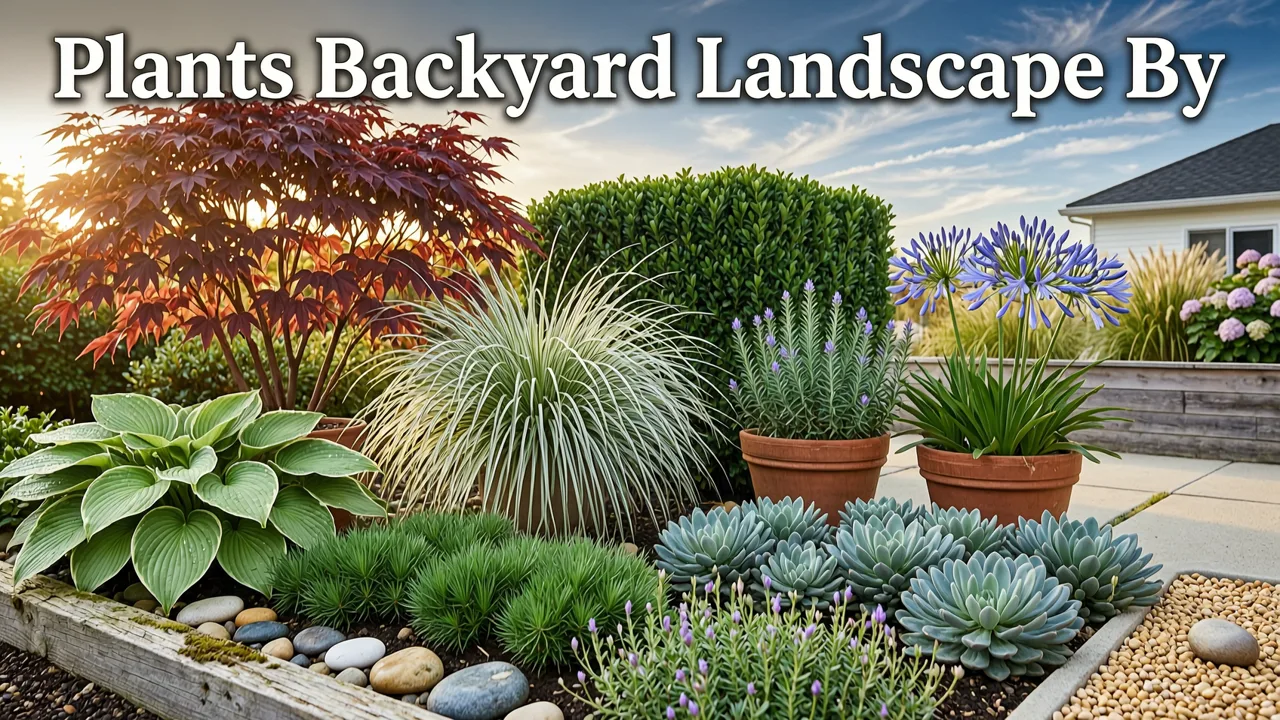
Landscape designers think in layers: canopy, understory, shrub, perennial, groundcover, and accent. Each layer serves a structural or aesthetic function. Here are the plant categories that form the backbone of a well-composed backyard in 2026.
Canopy and Shade Trees
Canopy trees anchor a backyard design and provide the overhead structure that makes outdoor spaces feel like rooms. In warmer zones, live oaks, southern magnolias, and crepe myrtles remain reliable choices. In cooler regions, maples, redbuds, and serviceberries offer seasonal interest without overwhelming a residential lot. For smaller backyards, consider multi-stem specimens that provide canopy coverage without the root spread of a single-trunk tree.
Evergreen and Flowering Shrubs
Shrubs are the workhorses of backyard landscapes. They define boundaries, create privacy screens, and provide year-round structure. Boxwood and inkberry offer clean evergreen form. Viburnum, lilac, and butterfly bush bring seasonal bloom and pollinator value. In drought-prone regions, rosemary, lavender, and Texas sage deliver texture and fragrance with minimal irrigation.
Perennials for Seasonal Color
Perennials are where most homeowners express personality. Echinacea, salvia, rudbeckia, and coreopsis are proven performers across multiple zones. For shade, hostas, astilbe, and heuchera fill the gaps under trees and along north-facing walls. The key to a successful perennial palette is staggering bloom times so color moves through the garden from early spring through late fall.
Ornamental Grasses
Grasses have earned their place in modern backyard design. They add movement, texture, and winter interest with almost zero maintenance. Fountain grass, miscanthus, and muhly grass work as standalone specimens or in drifts. Many ornamental grasses are also deer-resistant and drought-tolerant once established.
Groundcovers and Lawn Alternatives
Not every backyard needs a traditional turf lawn. Creeping thyme, liriope, mondo grass, and clover mixes reduce mowing, conserve water, and handle foot traffic in low-traffic zones. For purely ornamental areas, ajuga, pachysandra, and sedum suppress weeds and soften hardscape edges.
Matching Plants to Backyard Style
The best plants for backyard landscape plans also depend on the style you're pursuing. A cottage garden and a minimalist courtyard call for very different species, even in the same climate zone.
| Backyard Style | Key Plant Characteristics | Example Species (Moderate Climates) | Maintenance Level |
|---|---|---|---|
| Cottage Garden | Informal, layered, high bloom density | Roses, delphinium, foxglove, catmint | Moderate to High |
| Modern Minimalist | Architectural form, limited palette, repetition | Agave, boxwood, ornamental grasses, olive trees | Low |
| Native Meadow | Ecological function, pollinator support | Native coneflowers, milkweed, little bluestem | Low once established |
| Tropical or Lush | Broad leaves, dense layering, high color | Canna, elephant ear, hibiscus, bird of paradise | Moderate to High |
| Mediterranean | Drought-tolerant, silver foliage, aromatic | Lavender, rosemary, olive, agapanthus | Low |
Climate-Specific Plant Shortlists for 2026
Rather than listing every species for every zone, here are three climate profiles with starter shortlists. Use these as a foundation and refine based on your specific microclimate.
Hot and Dry (Zones 8–10, Low Rainfall)
Drought tolerance is non-negotiable. Agave, yucca, lantana, bougainvillea, and desert willow thrive with minimal supplemental water. Succulents like echeveria and sedum fill containers and rock gardens. Avoid moisture-loving species unless you can commit to consistent irrigation.
Temperate with Four Seasons (Zones 5–7)
This zone offers the widest plant selection. Hydrangeas, peonies, Japanese maples, and flowering dogwoods are landscape staples. Layer spring bulbs under deciduous trees, add summer-blooming perennials in borders, and use evergreen shrubs for winter structure. Fall color from maples and fothergilla extends visual interest late into the season.
Humid and Warm (Zones 9–11, High Rainfall)
Humidity brings fungal pressure, so choose species with proven disease resistance. Plumeria, ginger, philodendron, and ti plants thrive in humid subtropical and tropical zones. Air circulation matters as much as sunlight — space plants to allow airflow and reduce leaf wetness.
How to Visualize Plant Combinations Before You Buy
The single biggest mistake homeowners make with plant selection is buying individually and installing without seeing the full composition. A hydrangea might look perfect in isolation but clash with the texture of a neighboring ornamental grass or overwhelm a narrow border at mature size.
This is where AI-powered design tools change the process entirely. By uploading a photo of your actual backyard and selecting a style direction, you can generate realistic renderings that show how specific plant palettes will look in your space — including scale, color relationships, and seasonal density. You can explore our AI backyard design tool to upload your photo and preview plant layouts in minutes rather than committing to a full landscape installation and discovering mismatches later.
The visualization step is especially valuable when you're comparing two or three design directions. Seeing the same backyard rendered with a Mediterranean palette versus a cottage garden palette makes the decision concrete rather than abstract. Our before-and-after visual guide demonstrates how this workflow plays out across real backyard transformations.
Using AI Matching for Your Specific Site
Some platforms now go a step further and match plant recommendations to your uploaded photo's light conditions, existing hardscape, and spatial proportions. If you want a tool that factors your specific backyard conditions into plant suggestions, explore our AI-powered plant matching guide for a more tailored starting list.
Common Plant Selection Mistakes to Avoid in 2026
Even experienced gardeners fall into predictable traps. Avoiding these will save you years of frustration and replacement costs.
- Buying for nursery appearance, not mature reality. A compact, neatly shaped shrub in a one-gallon pot may triple in size within three seasons. Always check mature dimensions and plan spacing accordingly.
- Ignoring root behavior. Some species — bamboo, certain willows, mint family plants — spread aggressively through rhizomes. Use root barriers or choose clumping varieties if you want the look without the invasion.
- Overloading small spaces. A 400-square-foot backyard cannot support a canopy tree, three large shrubs, and a perennial border. If your yard is compact, see our small-space landscape ideas for scale-appropriate planting strategies.
- Planting invasives. Check your state or regional invasive species list before purchasing. Plants like English ivy, purple loosestrife, and certain barberry cultivars are restricted in many areas and can escape into nearby natural habitats.
- Forgetting seasonal gaps. If your perennial palette peaks in June and July, your backyard will feel flat by September. Include late-season bloomers, ornamental grasses, and evergreen structure to maintain visual interest year-round.
Building a Plant Palette That Works With Your Lifestyle
The best plants for backyard landscape designs are the ones you'll actually maintain. Be honest about your time, physical ability, and willingness to hire seasonal help. A low-maintenance palette of ornamental grasses, evergreen shrubs, and drought-tolerant perennials will look better with minimal care than an ambitious cottage garden that requires weekly deadheading, staking, and division.
Consider these lifestyle factors when narrowing your plant list:
- Time commitment. How many hours per week can you realistically spend on garden maintenance?
- Water access and cost. In drought-prone regions, water-wise planting isn't optional — it's a long-term financial decision.
- Pet and child safety. Some popular landscape plants are toxic if ingested. Research any species if pets or small children spend time in the yard.
- Allergy considerations. If pollen sensitivity is a concern, favor female cultivars of dioecious species and avoid high-pollen grasses near seating areas.
- Local wildlife. If you want to support pollinators, prioritize native species with proven ecological value. If deer are a problem in your area, avoid their preferred forage and choose resistant species.
Where to Source Plants and Verify Quality
Plant quality varies dramatically between sources. Big-box retailers often stock plants that have been stressed in transit or grown in conditions that don't match your zone. Local independent nurseries typically carry healthier stock, employ knowledgeable staff, and source from regional growers.
Online plant retailers have improved significantly by 2026, with many offering zone-specific shipping windows and guaranteed replacement programs. When ordering online, verify that the retailer ships to your zone, provides care instructions for your specific climate, and has a transparent replacement policy for plants that arrive damaged or fail within the first season.
For rare or specialty specimens, botanical society plant sales and regional native plant nurseries are excellent sources. These organizations often propagate locally adapted ecotypes that perform better than mass-produced nursery stock.
Putting It All Together: Your 2026 Plant Selection Workflow
Here's a practical sequence that takes you from a blank backyard to a planted landscape with confidence.
- Assess your site. Map sun exposure, test soil, confirm your hardiness zone, and note microclimates.
- Define your style. Choose a design direction — modern, cottage, native, tropical, or Mediterranean — and identify the plant characteristics that support it.
- Build a shortlist. Select canopy trees, shrubs, perennials, grasses, and groundcovers that match your climate, style, and maintenance capacity.
- Visualize before planting. Upload your backyard photo to an AI design tool and preview plant combinations at realistic scale.
- Source responsibly. Purchase from nurseries or retailers that stock zone-appropriate, healthy plants with clear provenance.
- Install with spacing for maturity. Plant at mature-spacing intervals, even if the garden looks sparse initially. Fill temporary gaps with annuals or mulch.
Following this workflow eliminates the most common causes of backyard planting disappointment: wrong plant for the conditions, wrong scale for the space, and wrong combination for the design vision. The best plants for backyard landscape plans are the ones you've tested, verified, and placed with intention — not the ones that looked appealing on a garden center bench.
Final Thoughts
Plant selection is both a science and a design decision. The science — matching species to climate, soil, and light — is well-documented and increasingly supported by digital tools that remove guesswork. The design decision — choosing plants that express your style and fit your lifestyle — benefits enormously from visualization before installation.
In 2026, you don't have to choose between an ambitious design vision and the practical reality of your backyard. Upload a photo, preview plant combinations, refine your palette, and plant with confidence. The best backyard landscapes aren't the ones with the most expensive plants — they're the ones where every plant is in the right place.


