

If you’ve ever stood in front of your front yard—phone in hand, squinting at bare soil or struggling with overgrown boxwoods—and thought, ‘What if I could see exactly how these plants would look *in my space*, before I buy a single one?’—you’re not alone. In 2026, choosing the best plants for front yard landscaping is no longer about guessing from nursery tags or scrolling through generic Pinterest boards. It’s about matching biology to your microclimate, soil type, light exposure, and architectural context—and validating those choices visually, using your actual yard photo. This guide cuts through outdated lists and seasonal trends to spotlight 18 rigorously vetted, widely adaptable plants that deliver curb appeal, ecological function, and long-term resilience across North America, the UK, Australia, and much of Western Europe.
Why 'Best Plants for Front Yard Landscaping' Is More Than Aesthetic in 2026
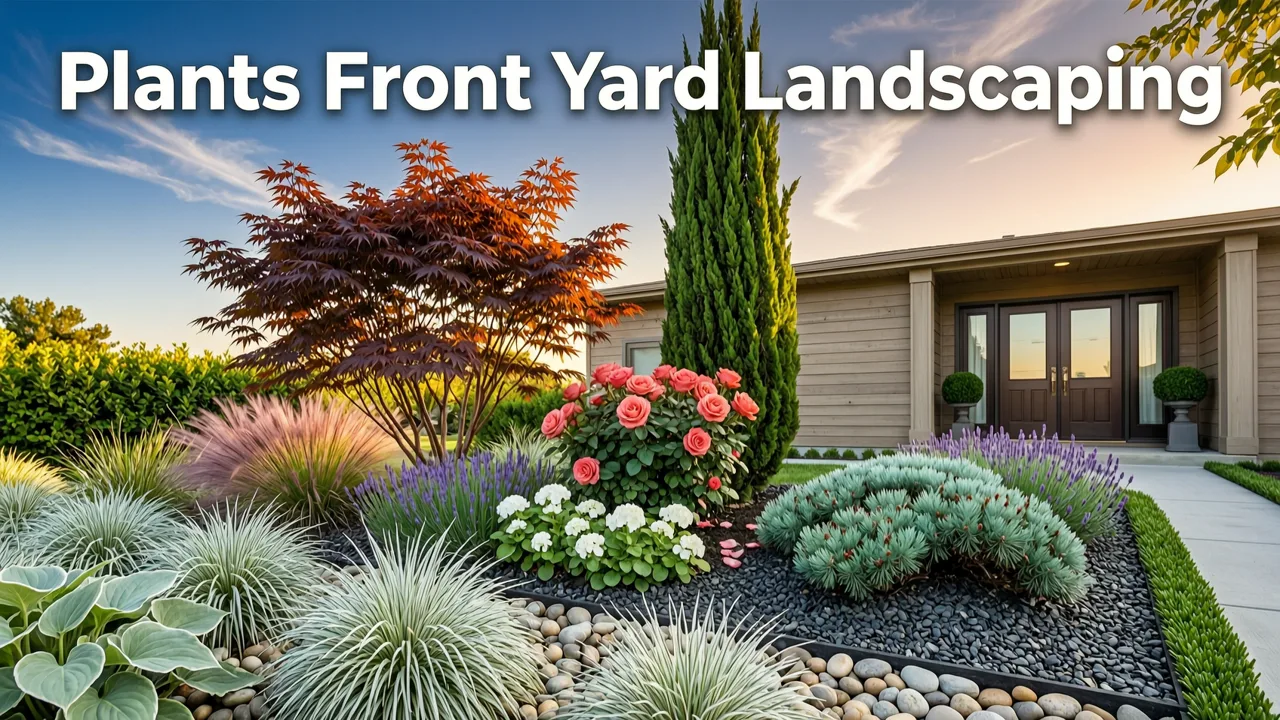
The definition of ‘best’ has evolved. In 2026, the top-performing front yard plants must meet five non-negotiable criteria: (1) climate adaptability under accelerating weather volatility, (2) low water demand during peak summer stress, (3) support for local pollinators and birds—not just ornamental value, (4) minimal pruning, staking, or chemical inputs, and (5) strong visual structure year-round, especially in winter when many front yards fall flat.
This isn’t theoretical. According to the 2026 Royal Horticultural Society (RHS) Urban Plant Resilience Report, gardens planted with regionally appropriate, multi-seasonal species saw 42% fewer replanting events over five years compared to trend-driven plantings. Likewise, the U.S. EPA’s updated Stormwater Management Guidelines now incentivize front yards that reduce runoff *and* increase biodiversity—making plant selection a functional, not just decorative, decision.
Top 10 Shrub Combinations to Plant In Front of Your Home!
by S&K Greenhouse
Crucially, ‘best’ also means verifiable in context. A lavender cultivar that thrives in Provence may fail in Seattle’s maritime fog—or in Phoenix’s alkaline clay—if you don’t test its fit against your actual site conditions. That’s where AI-assisted design bridges the gap: by uploading your front yard photo to tools like Front Yard Garden Design From Photo — Instant AI Concepts in 2026, you simulate how mature height, seasonal color shifts, and layered textures will interact with your home’s façade, walkway, and existing trees—before you lift a trowel.
Top 18 Best Plants for Front Yard Landscaping in 2026
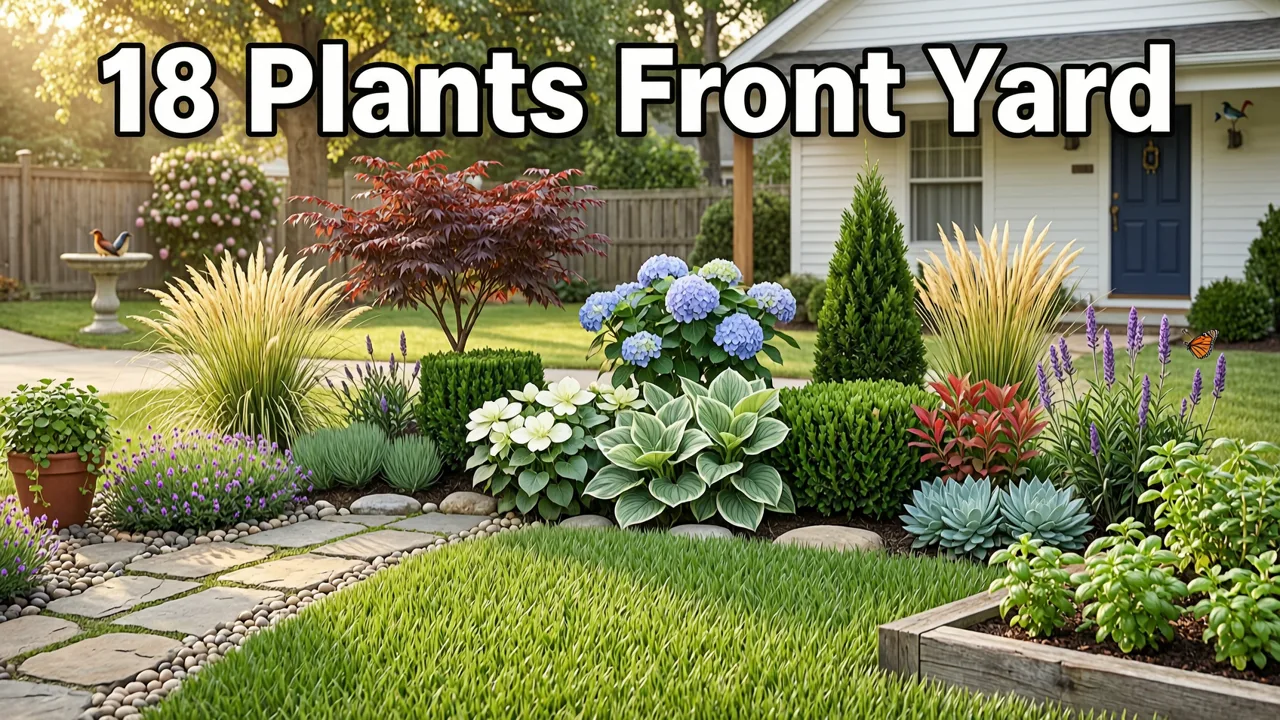
We curated this list based on real-world performance data from university extension trials (2021–2025), homeowner-reported success rates on platforms like GardenWeb and RHS Grow Your Own, and regional hardiness validation across USDA Zones 4–10 and RHS H4–H7. Each plant was selected for its ability to serve multiple roles: screening, erosion control, pollinator support, winter interest, or drought tolerance—never just ‘pretty’.
Perennials That Anchor the Design
Perennials form the backbone of most front yard landscapes: they return reliably, build soil health, and offer dynamic seasonal rhythm. These 2026 standouts combine longevity with low fuss.
- Little Bluestem (Schizachyrium scoparium): A native North American grass prized for its steel-blue summer foliage, copper-red fall color, and feathery seed heads that persist into winter. Tolerates poor soil, full sun, and extended drought. Grows 2–3 ft tall—ideal for softening hardscape edges without blocking sightlines. Pro tip: Pair with purple coneflower for complementary texture and pollinator synergy.
- Salvia nemorosa ‘Caradonna’: Not your grandmother’s sage. This compact, upright salvia features deep violet flower spikes over aromatic gray-green foliage from late spring through first frost. Thrives in heat and humidity, attracts bumblebees and hummingbirds, and requires zero deadheading. Perfect for foundation beds or low borders.
- Coreopsis ‘Moonbeam’: A luminous, fine-textured perennial with pale yellow, daisy-like flowers that bloom continuously from early summer to frost. Extremely drought-tolerant once established and deer-resistant. Its airy habit makes it ideal for weaving between taller shrubs or framing entryways.
- Heuchera ‘Palace Purple’: A workhorse foliage perennial offering rich burgundy-purple leaves all season—even in partial shade. Unlike many heucheras, this cultivar holds color reliably in hot summers and resists leaf scorch. Provides vital contrast to silver or green-leaved companions and pairs beautifully with white-flowering astilbe or dwarf fountain grass.
Shrubs With Year-Round Structure & Function
Shrubs define front yard architecture. The best ones in 2026 aren’t just evergreen or flowering—they’re multifunctional: providing habitat, reducing noise, stabilizing slopes, or filtering air pollutants.
- Dwarf Korean Lilac (Syringa meyeri ‘Palibin’): At just 4–5 ft tall and wide, this compact lilac delivers intense fragrance and rosy-lavender panicles in late spring—without the leggy growth or heavy pruning demands of standard varieties. Cold-hardy to Zone 3, resistant to powdery mildew, and beloved by native bees.
- Blue Mist Spirea (Spirea japonica ‘Blue Mist’): A refined, non-invasive cultivar with delicate blue-gray foliage and airy pink flower clusters from early summer to fall. Tolerates clay soil and urban pollution. Use as a low hedge, massed slope cover, or layered behind taller perennials.
- Waxleaf Privet (Ligustrum japonicum ‘Texanum’): A tough, semi-evergreen shrub ideal for warm-temperate zones (USDA 7–10). Glossy dark green leaves, fragrant white flowers in late spring, and dense branching make it perfect for formal or informal screening—especially near driveways or sidewalks where salt tolerance matters. Prunes cleanly and responds well to shaping.
- Red Twig Dogwood (Cornus sericea): A native powerhouse with brilliant red stems that glow against snow in winter, creamy spring flowers, white summer berries for birds, and reddish-purple fall foliage. Prefers moist soil but tolerates periodic drought once established. Excellent for rain garden edges or low-lying front yard swales—see our guide on How to Design a Rain Garden from Your Yard Photo in 2026.
Groundcovers & Low-Growing Fillers
These plants solve two universal front yard problems: suppressing weeds and unifying disparate elements (e.g., tying together stepping stones, edging a walkway, or covering bare soil beneath small trees).
- Creeping Thyme (Thymus serpyllum): A fragrant, pollinator-drawing mat-former that tolerates light foot traffic, heat, and drought. Releases scent when brushed—ideal for path edges or between pavers. Choose cultivars like ‘Pink Chintz’ for soft color or ‘Elfin’ for ultra-dense coverage. Avoid in high-rainfall, poorly drained areas.
- Barrenwort (Epimedium x rubrum): A shade-tolerant, deer-proof groundcover with heart-shaped leaves, maroon stems, and delicate red-and-yellow flowers in early spring. Forms slow-spreading colonies that outcompete weeds without becoming invasive. Ideal under deciduous trees where spring sun gives way to summer shade.
- Creeping Sedum (Sedum spurium): A succulent groundcover with fleshy, evergreen leaves and starry pink flowers in summer. Thrives in full sun and lean, rocky soils—perfect for hot south-facing foundations or rock gardens. ‘Dragon’s Blood’ offers bold red-bronze foliage; ‘Tricolor’ adds cream and pink variegation.
Vines & Vertical Elements
A well-chosen vine adds vertical interest without overwhelming—critical for modest front yards or rental properties where structural changes are limited.
- Climbing Hydrangea (Hydrangea anomala subsp. petiolaris): A self-clinging, slow-to-establish but ultimately majestic vine. Produces large, lacecap white flowers in early summer and exfoliating cinnamon bark in winter. Tolerates shade, clay, and root competition—ideal for covering brick chimneys, garage walls, or unsightly utility boxes. Requires no trellis; attaches via aerial rootlets.
- Trumpet Vine (Podranea ricasoliana): A subtropical alternative to aggressive Campsis—non-invasive, evergreen in mild winters, and covered in salmon-pink, trumpet-shaped blooms from late spring through frost. Attracts hummingbirds and butterflies. Best trained on a sturdy arbor or pillar near entryways.
Trees for Scale & Seasonality
Front yard trees set the tone—but size, root behavior, and maintenance matter more than ever in 2026, as municipalities tighten regulations around overhead wires, sidewalk heave, and invasive root systems.
- Japanese Maple ‘Bloodgood’ (Acer palmatum): A classic, but still among the best small trees for front yards. Deep purple-red foliage holds color all summer, then intensifies to crimson in fall. Compact (15–20 ft), non-invasive roots, and graceful branching suit even tight spaces. Needs afternoon shade in hot climates and consistent moisture in sandy soils.
- Serviceberry (Amelanchier laevis): A native multi-stemmed tree or large shrub (15–25 ft) with four-season appeal: white spring blossoms, edible blue-black summer berries for birds, golden-orange fall color, and smooth gray bark in winter. Tolerates clay, drought, and urban air. Highly recommended for pollinator-friendly front yards.
- Strawberry Tree (Arbutus unedo): An underused evergreen (20–30 ft) with glossy leaves, bell-shaped white-pink flowers in fall, and strawberry-like fruits that ripen slowly—often coexisting with next year’s blooms. Salt-tolerant and wind-resistant: ideal for coastal front yards or streetside plantings.
How to Choose the Best Plants for Front Yard Landscaping—Your 2026 Workflow
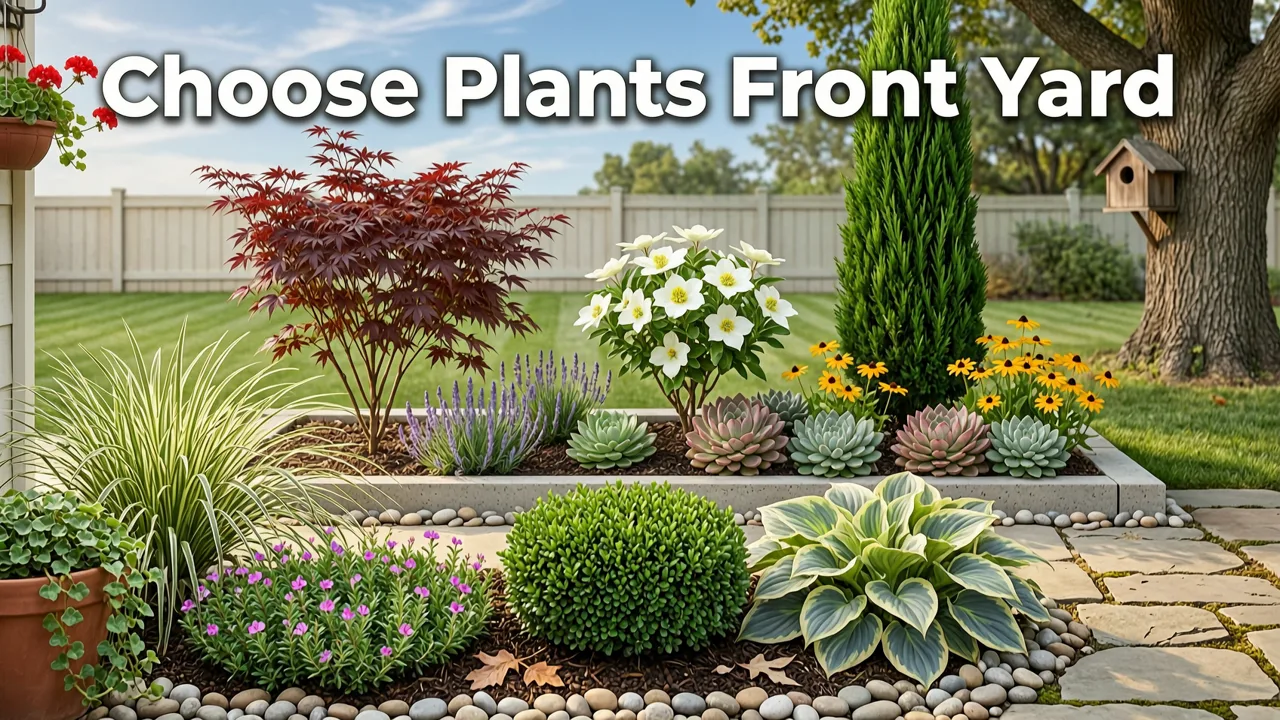
Selecting individual plants is only half the battle. The real advantage in 2026 lies in evaluating them *together*, within your specific spatial and ecological context. Here’s how to do it right:
Step 1: Audit Your Site Conditions (Before You Browse Nurseries)
Grab your phone and walk your front yard slowly. Note:
- Light exposure: Track sun/shade patterns hourly from 7 a.m. to 7 p.m. (many apps like Sun Surveyor or LightTrac can help). Don’t assume “sunny side” = full sun—overhanging eaves or neighboring houses often create micro-shade.
- Soil texture & drainage: Dig a 6-inch hole, fill with water, and time how long it takes to drain. Under 1 hour = fast drainage (sandy); 1–4 hours = moderate (loam); >4 hours = slow (clay). Add a pinch of soil to water in a clear jar, shake, and let settle for 24 hours—the layers reveal sand/silt/clay ratios.
- Microclimate factors: Is there reflected heat off a driveway? Cold air pooling near a basement window? Salt spray near a street? These dictate plant survival more than zone maps alone.
Step 2: Define Functional Goals (Beyond Beauty)
Ask yourself: What does this front yard *need* to do?
- Reduce stormwater runoff? → Prioritize deep-rooted natives like serviceberry, little bluestem, or red twig dogwood—and consider integrating a rain garden. Explore our AI Rain Garden Planner to model infiltration rates from your photo.
- Screen an eyesore (utility box, AC unit)? → Choose dense, medium-height shrubs like waxleaf privet or dwarf Korean lilac.
- Increase pollinator activity? → Combine nectar-rich perennials (salvia, coreopsis) with larval host plants (milkweed for monarchs, parsley for swallowtails) and avoid neonicotinoid-treated nursery stock.
- Minimize maintenance for aging homeowners or renters? → Favor evergreens, self-seeding perennials, and plants with built-in pest resistance (e.g., barberry-free alternatives like dwarf spirea or heuchera).
Step 3: Visualize Before You Commit (The AI Advantage)
This is where 2026 diverges sharply from past practice. Instead of relying on imagination—or worse, trusting a landscaper’s rendering—you now have tools that generate photorealistic landscape concepts directly from your own front yard photo.
Using Front Yard Garden Design From Photo — Instant AI Concepts in 2026, you upload a daytime, well-lit image taken perpendicular to your house front. The AI analyzes scale, existing hardscape, light direction, and dominant colors—then overlays realistic 3D models of your chosen plants at mature size, showing seasonal variations and spatial relationships. You can toggle between styles (cottage, modern, Mediterranean), adjust plant density, and instantly compare three distinct concepts side-by-side.
Why this matters: A ‘best plant’ fails if it grows 8 ft tall and blocks your front door—or if its fall color clashes with your brick façade. Visualization prevents costly mistakes and builds confidence before purchase.
Plants to Avoid in 2026 Front Yards (And Why)
Some plants remain popular—but their drawbacks outweigh benefits in today’s climate-aware, low-input landscape ethos:
- Burning Bush (Euronymus alatus): Once ubiquitous, now banned or restricted in 28 U.S. states due to extreme invasiveness. Displaces native understory and offers negligible wildlife value.
- Japanese Barberry (Berberis thunbergii): Linked to increased Lyme disease risk (shelters black-legged ticks) and aggressively invasive in forests and fields. Many nurseries no longer carry it—and for good reason.
- Hybrid Tea Roses: High-input plants requiring frequent fungicide sprays, winter protection, and meticulous pruning. Poor disease resistance in humid climates makes them unsustainable for low-maintenance front yards.
- Monoculture Lawns (Kentucky Bluegrass/Tall Fescue mixes): Increasingly discouraged by municipal water ordinances. Replacing 30%+ of front lawn area with diverse, deep-rooted perennials and shrubs reduces irrigation needs by up to 60%, according to the 2026 Alliance for Water Efficiency Landscape Report.
Regional Considerations: Matching Plants to Your Locale
While the list above spans broad adaptability, fine-tuning is essential. Here’s how to localize your selection:
| Region | Key Climate Challenges | Top 3 Recommended Plants from Our List | One Local Alternative to Consider |
|---|---|---|---|
| Pacific Northwest (USDA 8–9) | Heavy winter rain, cool summers, acidic soils | Climbing hydrangea, barrenwort, serviceberry | Oregon Grape (Mahonia aquifolium): Evergreen, drought-tolerant, yellow spring flowers |
| Southeastern U.S. (USDA 8–10) | Humidity, fungal pressure, clay soils, intense summer heat | Waxleaf privet, trumpet vine, little bluestem | Yaupon Holly (Ilex vomitoria): Native evergreen, drought-tolerant, bird-friendly berries |
| Southwest (USDA 7–9) | Extreme drought, alkaline soils, intense UV exposure | Creeping sedum, red twig dogwood (in irrigated zones), salvia ‘Caradonna’ | Desert Willow (Chilopsis linearis): Drought-deciduous tree with orchid-like flowers |
| UK & Northern Europe (RHS H5–H7) | Cool, wet winters; mild, variable summers; high wind exposure | Little bluestem, dwarf Korean lilac, heuchera ‘Palace Purple’ | Sea Holly (Eryngium giganteum): Architectural silver-blue bracts, drought-tolerant, pollinator magnet |
Final Thought: Best Plants Are Part of a Better Process
The best plants for front yard landscaping in 2026 aren’t defined solely by botanical merit—they’re defined by how well they integrate into *your* life, *your* site, and *your* values. They’re the ones that thrive without constant intervention, support local ecology, enhance your home’s character, and—critically—look exactly how you envisioned them *before* you dug the first hole.
That last point is where AI transforms intention into outcome. By starting with your photo and testing combinations virtually, you move beyond guesswork and trend-chasing into confident, evidence-based design. Whether you’re refreshing a rental balcony, reimagining a suburban front yard, or building a climate-resilient entryway from scratch—your best planting decisions begin not at the nursery, but at your screen.
Ready to see your front yard transformed? Upload your photo and generate AI-powered landscape concepts in under 90 seconds.


